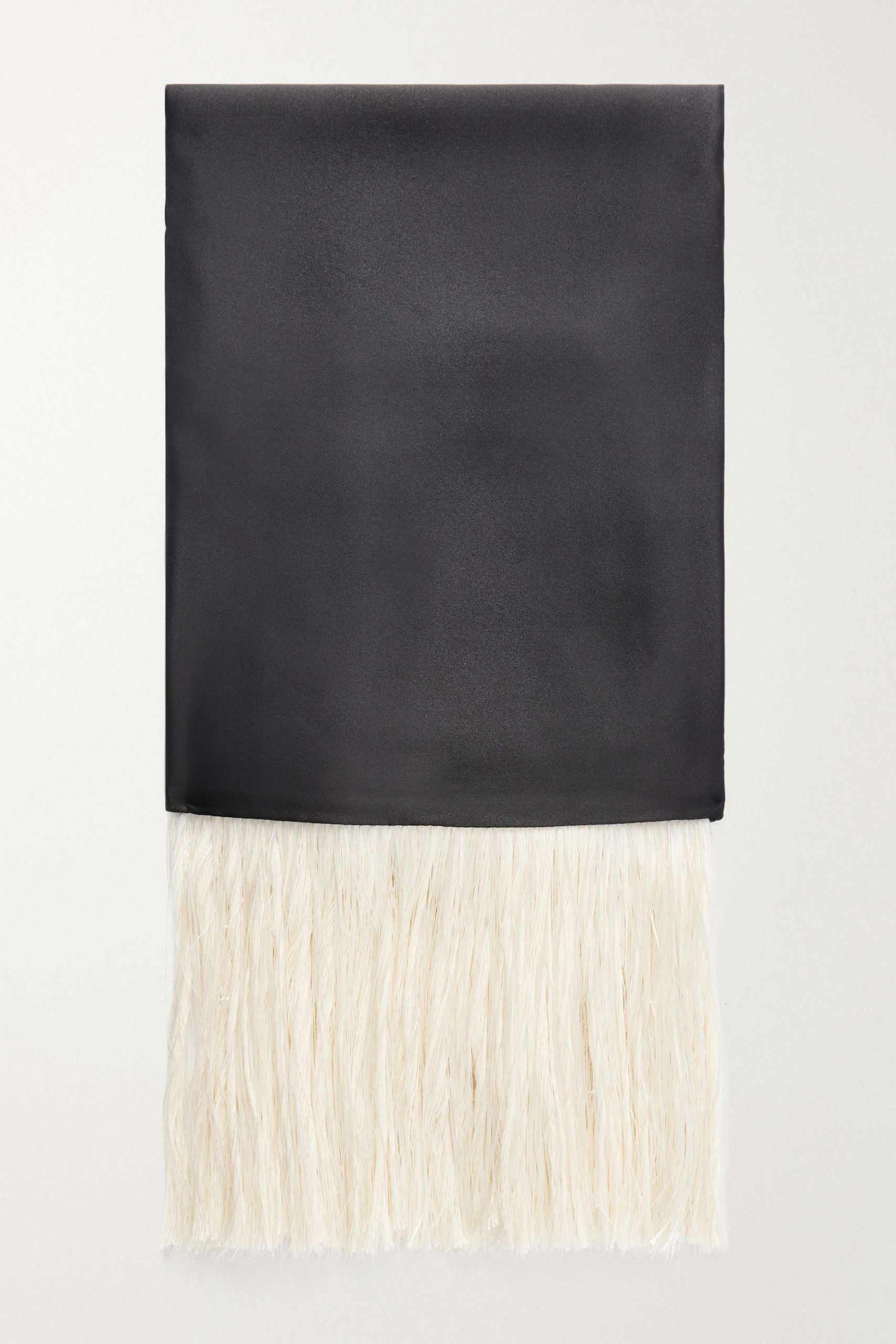
The return of the opera house silhouette for spring is not a revival, it is a recalibration. What emerged across the Paris runways this season was a softer, more intimate expression of evening dressing, one that trades theatrical grandeur for something quieter and deeply personal. For those of us who have long believed that luxury lives in the details rather than the volume of the applause, this shift feels less like a trend and more like an invitation to reconsider how we inhabit our own most refined moments. It is the kind of season that rewards patience, which is perhaps why Kristen Bell Turns a Preppy Classic Into a Study in Effortless Romance resonates in a similar key, both prove that elegance is not about the garment itself but the way it allows you to move through the world.
The collections that defined this mood understood something essential: drama does not require shouting. At Lanvin, Peter Copping drew from a constellation of artistic influences, Anjelica Huston, Pina Bausch, Tina Chow, and the result was a collection that felt like a conversation across generations. I was particularly moved by the sight of an archival Jeanne Lanvin feather-and-velvet shawl, hand-carried from New York to Paris, worn to the show as a personal tribute. That gesture alone captures what this season is really about: the idea that what we wear can hold memory, intention, and presence all at once. Similarly, the Issey Miyake show explored *ma*, the Japanese concept of the space between things, through fabric and movement, with dancers creating sculptural tension before models emerged from the waves. The cocoon-like evening silhouettes that followed have stayed with me, as has Jonathan Anderson's meditation on air itself at Dior, where he wove lightness into lace and organza. There was a beautiful tension in the interplay of menswear tailoring and ethereal fabrics, a softness within the masculine lines that felt entirely new.
What this means for how we dress now is both practical and poetic. The opera shawl, the cape, the evening jacket, these are not relics of a bygone formality but tools for shaping atmosphere. A double-faced pankou poncho from Róhe or a reversible twill-and-satin coat from Maria McManus can move from a gallery opening to an intimate dinner without losing their sense of occasion. The finishing touches matter more than ever: a seed-embellished brooch from KALLMEYER, a mother-of-pearl necklace from Le Sundial, a tassel clutch from Juju Vera. These are not accessories in the traditional sense; they are anchors for a mood. And for those who have been waiting for a season that finally matches their inner register, Nineteen layers for the season I've been waiting to wear speaks directly to that feeling of arrival.
The open question, then, is whether this softer expression will hold beyond the runway. Matthieu Blazy's second Chanel collection, which explored Gabrielle Chanel's more playful side through birds and sky motifs, suggests a deeper commitment to ease rather than spectacle. That is the detail to watch: not whether the opera house silhouette returns next season, but whether the industry has finally learned that the most enduring luxury is the kind that lets you breathe.