The Paul Poiret Effect: How the 1910s King of Fashion Is Shaping the Runway Today
Our take
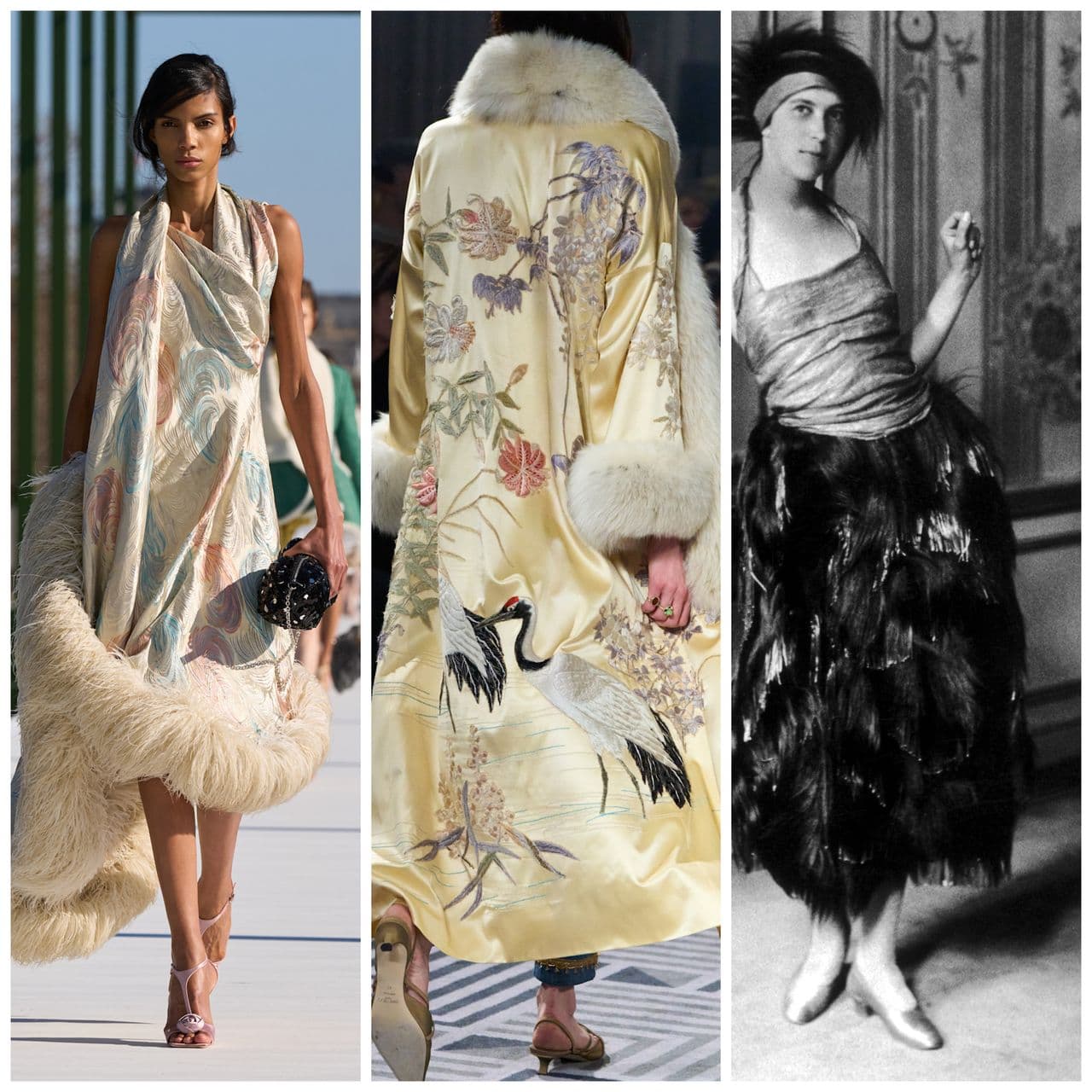
In "The Paul Poiret Effect: How the 1910s King of Fashion Is Shaping the Runway Today," we explore the resurgence of timeless elements made popular by French couturier Paul Poiret. Satin dusters, tassel accessories, and other signature pieces are re-emerging on contemporary runways, reflecting a blend of historical elegance and modern sensibility. This revival not only highlights Poiret's enduring influence but also invites a new generation to embrace the artistry of fashion.
The resurgence of Paul Poiret’s 1910s-era design elements—satin dusters, tassel accessories, and other sartorial signatures—on contemporary runways is more than a nostalgic nod; it’s a quiet revolution in how we define luxury and creativity. Poiret, a visionary who once shattered the rigid constraints of early 20th-century fashion, is now being reimagined through the lens of modern aesthetics, proving that timelessness lies not in imitation but in reinvention. This cyclical return of his work underscores a broader cultural shift: a yearning for authenticity, craftsmanship, and the emotional resonance of history. As designers draw from Poiret’s archives, they are not merely borrowing from the past but engaging in a dialogue with it, one that feels both urgent and inevitable. Olivia Jade On The Launch Of Her Makeup Brand O.Piccola What shorts are we wearing this summer? These related stories—Olivia Jade’s makeup line inspired by her personal journey and the ongoing conversation about summer staples—reflect a similar theme: the power of individuality and intentionality in fashion.
Poiret’s influence is particularly striking because it challenges the notion that innovation must always be futuristic. His 1910s designs, characterized by bold silhouettes and a rejection of corsetry, were radical for their time, yet they now feel eerily prescient. Today, as the fashion industry grapples with sustainability and the ethics of production, Poiret’s legacy offers a counterpoint: a reminder that beauty can be both revolutionary and rooted in tradition. The satin dusters and tassel accessories making a comeback are not just accessories but symbols of a era that prioritized artistry over mass production. This revival speaks to a generation of consumers who seek meaning in their purchases, who value garments that tell a story rather than just a trend. It’s a subtle but powerful shift, one that aligns with the broader cultural movement toward mindfulness and intentional living.
What makes this trend particularly compelling is how it bridges the gap between the old and the new. Poiret’s work, once considered avant-garde, is now being reinterpreted through the lens of modern minimalism and feminine empowerment. Designers are not just replicating his styles but recontextualizing them, infusing them with contemporary sensibilities that resonate with today’s audience. This is where the “quiet luxury” ethos comes into play—luxury is no longer about excess but about depth, precision, and the quiet confidence of knowing what you wear matters. The emotional weight of these pieces, their ability to evoke both nostalgia and freshness, is what makes them so compelling. It’s a fashion that doesn’t shout for attention but commands it through its unspoken elegance.
As we look ahead, the question remains: how will this revival shape the future of fashion? Will Poiret’s influence become a permanent fixture, or is it a fleeting moment in the ever-evolving cycle of trends? The answer may lie in how designers and consumers alike choose to engage with these historical references. If the past is a wellspring of creativity, then the challenge is to honor it without being bound by it. In this sense, Poiret’s effect is not just about fashion—it’s about the enduring power of art to transcend time, and the quiet strength that comes from embracing who we are, both as individuals and as a collective.
Read on the original site
Open the publisher's page for the full experience