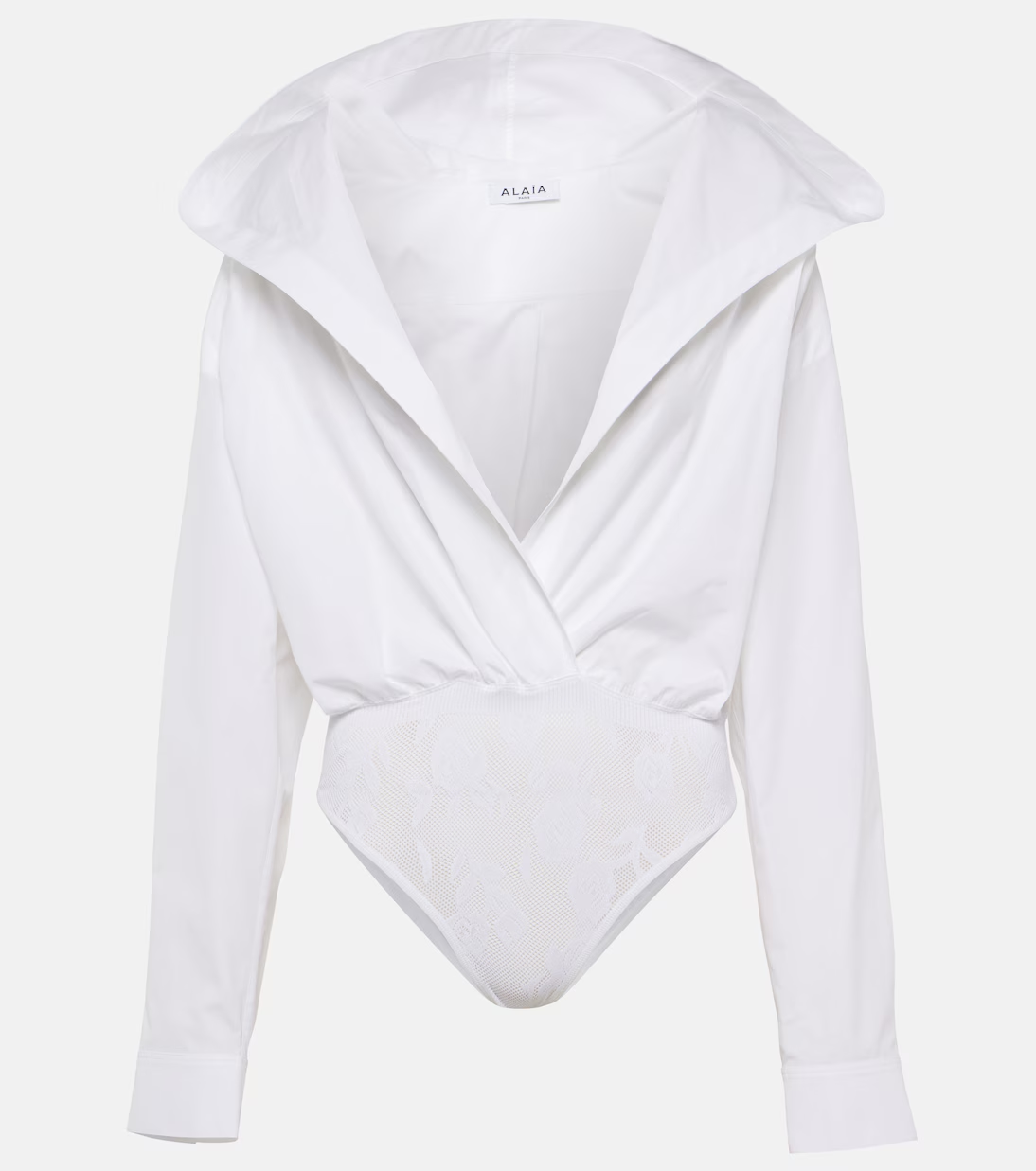
There is something quietly thrilling about the way a psychological thriller can become a masterclass in style. The genre has always understood that tension lives in the details, a sharp silhouette, a deliberate fabric, a stillness that speaks louder than any scream. So when we learned that Anne Hathaway and Dakota Johnson would bring Colleen Hoover's *Verity* to the screen, it felt less like a casting announcement and more like a promise. These are two women who understand that presence is its own kind of power. They do not perform for the camera; they inhabit the frame. And that is precisely what makes their shared style for the film so compelling.
It is no accident that the most arresting looks in cinema often belong to characters holding the most secrets. Think of Rosamund Pike's razor-sharp bob in *Gone Girl*, a haircut that functioned as both armor and accusation. Or the way Rodarte's theatrical designs in *The Black Swan* predicted an entire movement before anyone had coined the term "balletcore." Costume, in these stories, is never decorative. It is exposition. With Hathaway and Johnson, we anticipate a similar alchemy: clothes that do not simply adorn but reveal, that whisper what the dialogue will not say. This is the quiet allure of *Verity* style, it asks us to look closer, to read between the seams.
We have seen this restrained confidence elsewhere this season. Sienna Miller's quiet luxury takes the lead for autumn offers a '90s fashion dream that feels similarly rooted in substance over spectacle. Both women understand that true elegance requires no explanation. And when we consider The 7 French-Woman Winter Trends That Need No Introduction, the through line becomes clear: style, at its most potent, is a form of self-awareness. It does not chase approval. It simply is.
What makes Hathaway and Johnson's approach to *Verity* worth watching is not the plot's twists, but the emotional texture they bring to the frame. They embody a modern femininity that is both sensual and self-contained, strong without being confrontational, alluring without asking for permission. This is not costuming for applause. It is dressing for the character's inner world, and by extension, for the audience's trust. The practical takeaway for our readers is this: when you choose clothes that feel like an extension of who you are, rather than a performance of who you think you should be, you invite others into your world without having to shout. Hathaway and Johnson know this. The question now is how far they will let the silence speak.