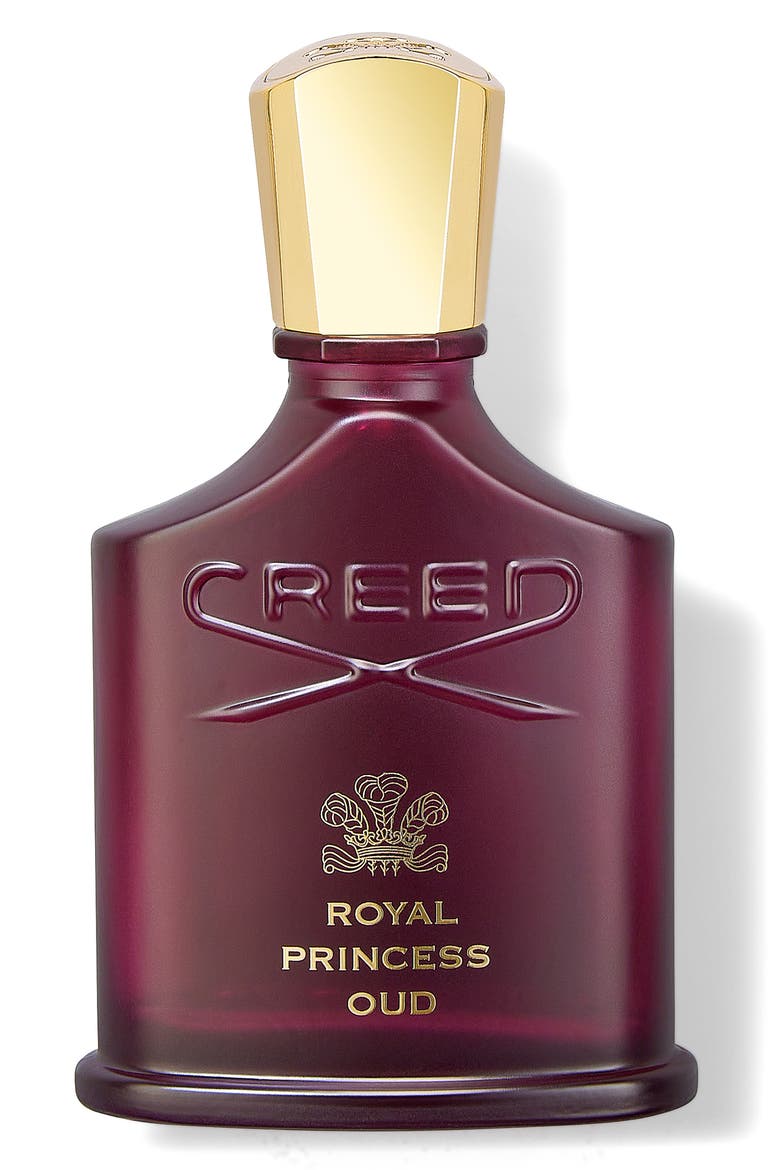
Oud does not announce itself; it lingers. In a world that often confuses loudness with presence, the note offers something rarer: the quiet assurance of someone who knows exactly what she is wearing and why. Our take is simple, this is not a list of perfumes to impress others, but a guide to selecting a scent that reinforces the self. And if that sounds like a subtle distinction, it is the very one that separates the curated from the conspicuous.
The story of oud is the story of patience. Less than two percent of agar trees naturally produce the resin that becomes this "liquid gold," a fact that immediately reframes the entire category. We are not choosing a fragrance note; we are choosing a material that has demanded time, rarity, and intention long before it ever touches our skin. For those of us who have spent years refining our Seventeen beauty discoveries for the glass-skin disciple and perfume snob, oud represents the next layer, not a mask, but an extension of what is already there. It pairs so naturally with rose, vanilla, or saffron because it does not need to dominate; it deepens. The Tom Ford Oud Wood, with its sandalwood and pepper, is masculine in the best sense, not aggressive, but grounded. The Jo Malone Velvet Rose & Oud wraps the petal in smoke and praline, turning softness into something magnetic. These are not scents for the woman who needs to prove she has arrived. They are for the woman who already knows.
What makes this edit particularly useful is its refusal to gatekeep. The Salt & Stone Black Rose & Oud mist, at a fraction of the price of the others, proves that the philosophy of oud, depth without shouting, can translate across budgets. It smells like a high-end lobby not because it mimics luxury, but because it understands atmosphere. That same intentionality appears in the Maison Margiela Replica Lost Eden, which balances candied apple with smoky oud, creating a tension that feels more like a memory than a formula. For those of us who travel frequently and value ritual, these are the kinds of scents that slip into a routine and stay there, much like the Expert-approved travel perfumes that slip into your holiday ritual we have previously recommended. The difference here is that oud demands a certain presence. You cannot spray it and forget it. It asks you to be still, to let it settle, to notice how it changes on your skin over hours.
The most telling detail in this entire story is not the price of the Creed or the complexity of the Dior. It is the fact that perfumers call oud "black gold" because so few trees produce it naturally. That scarcity is not a marketing angle; it is a reminder that the most compelling things in life cannot be mass-produced. The takeaway is this: when you choose an oud fragrance, you are not selecting a scent to be remembered by others. You are selecting a scent that will remind you of your own depth. The question worth sitting with is not which bottle to buy, but whether you are ready to wear something that will not fade into the background of your day.