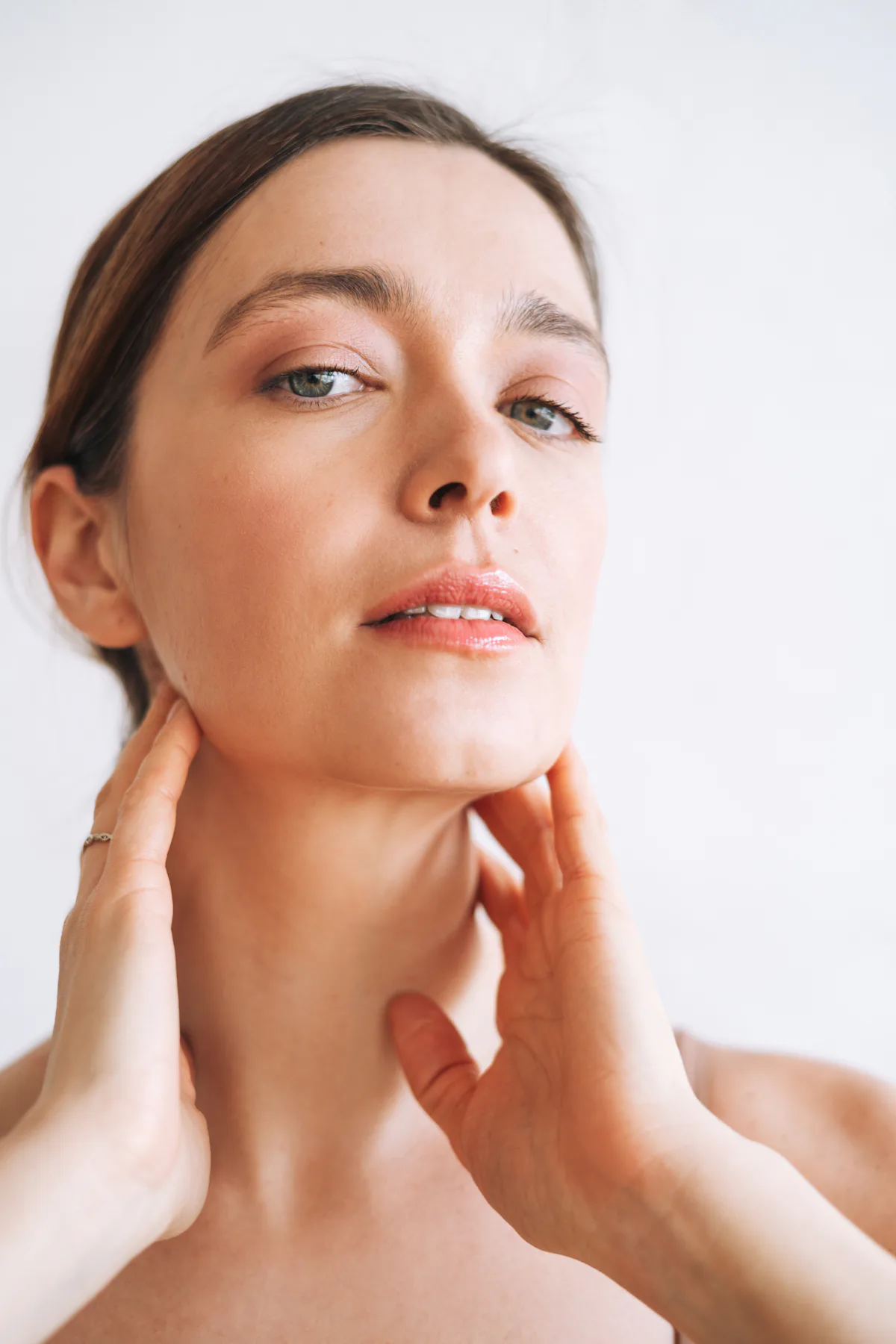
Restraint has become the most sophisticated thing a woman can wear on her face. The pendulum has swung away from the overfilled, over-lifted look, and the doctors TZR spoke with are right to welcome it. What they describe is not an abandonment of aesthetic care but a refinement of it: fewer interventions, chosen with more intention, calibrated to the face a woman actually has. We have argued before that Full Glam Returns With Intention, Not Nostalgia, and the same principle applies here. Intention is the whole story. The goal now is skin that looks healthy, a face that stays balanced, and a result no one can quite name. As Dr. Pearl Ugwu-Dike puts it, there is something compelling about a woman who looks incredible at 45 without trying to look 25.
The practical shift is in the treatment menu. Microtox uses pared-down doses of toxin placed superficially, softening lines without freezing expression. Xerf works with radiofrequency to prompt the skin to remodel what it already holds rather than adding volume to it. Sofwave targets the middermis with ultrasound to stimulate collagen and elastin, and it is safe for all skin tones and types. Notice what these have in common: they ask the body to do the work. Nothing is imposed. Dr. Ira Savetsky makes the useful point that undetectable sometimes means surgery and sometimes does not, which is a more honest framing than the industry usually offers. It also echoes something we wrote about The Quiet Power of Choosing What You Know You Need: the right intervention is the one matched to your circumstance, not to a trend.
Our take is simple. This is the most feminine the aesthetic conversation has sounded in years, because it returns the definition of beauty to the woman wearing it. Dr. Kimberly Lee frames the work as enhancing the face as a whole, including balance, proportions, and how someone naturally ages. Ugwu-Dike goes further, calling individuality something to protect rather than correct. We agree, and we would add that aging is not a cosmetic failure. The doctors are not selling less; they are selling something harder to achieve and easier to live with. Subtlety demands more skill, more restraint, and a longer view than a syringe full of filler ever did.
The takeaway worth keeping: ask any practitioner how a treatment preserves your face rather than changes it, and treat a gradual result as a feature, not a compromise. The skin-quality groundwork matters as much as the in-office visit, which is why the right daily care deserves the same scrutiny, as we noted in The creams experts trust for skin that holds time lightly. One detail to watch is Xerf itself. It is new enough that long-term data comparing it with other modalities does not yet exist, and Savetsky is candid that energy-based treatments cannot replace a facelift where significant laxity is present. Book the consultation, and ask that question first.