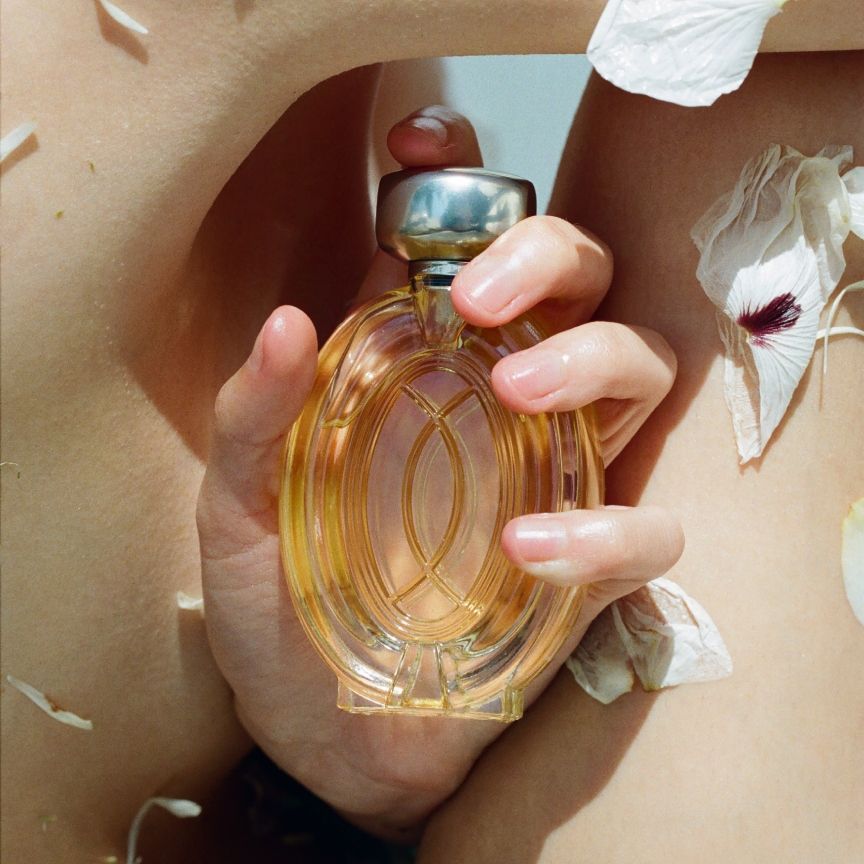
Perfume has always been a mirror of the moment, and lately, the moment has been loud. We cycle through marshmallow gourmands and mineral skin scents with the same breathless pace we apply them, chasing a trend that expires before the bottle runs dry. So when we came across Contrapposto, we felt a quiet shift in the air, a recalibration that doesn't ask for your attention but earns it anyway. This is not about novelty for novelty's sake; it is about returning to the craft that makes scent worth wearing at all. And in a world that confuses noise with relevance, that feels less like a statement and more like a quiet act of rebellion.
The article makes a pointed observation about the state of the category, and we agree with its premise: the perfume industry has become a revolving door of affordable options and fleeting fads, leaving little room for the kind of depth that lingers. Contrapposto enters as the counterpoint, a reminder that true luxury is not about how much you wear but how deliberately you choose it. This is where our own coverage has been heading. We have long championed the idea that elegance is a practice, not a purchase, whether it is in the 15 elegant staples that earned their place in her beauty rotation or the way Milan's best dressed choose quiet layers over seasonal noise. Contrapposto fits into that philosophy seamlessly: it is not a fragrance to be seen in, but one to be felt.
For our readers, this means a practical shift in how you approach your own scent wardrobe. Stop asking what is new and start asking what is enduring. Contrapposto asks for a slower relationship with fragrance, one where the bottle is not a disposable accessory but a considered extension of your inner state. It aligns with what we have said about the quiet allure of scent as a seasonal ritual, where the act of applying becomes as meaningful as the composition itself. The craftsmanship here is not about complexity for its own sake; it is about restraint, a knowing when to hold back. That is the kind of confidence that cannot be bottled, only worn.
What we find most compelling about Contrapposto is not what it adds to the conversation but what it dares to leave out. In a market that screams for attention, it whispers. And that whisper is a specific consequence for you: the next time you reach for a fragrance, you will not be looking for a compliment. You will be looking for a feeling. The question we are left with is not whether this marks a turning point in the industry, but whether we are ready to slow down enough to notice. We think you are. The detail to watch is not the notes or the bottle, but the moment you stop smelling like everyone else and start smelling like yourself. That is the quiet art, and it is worth the wait.