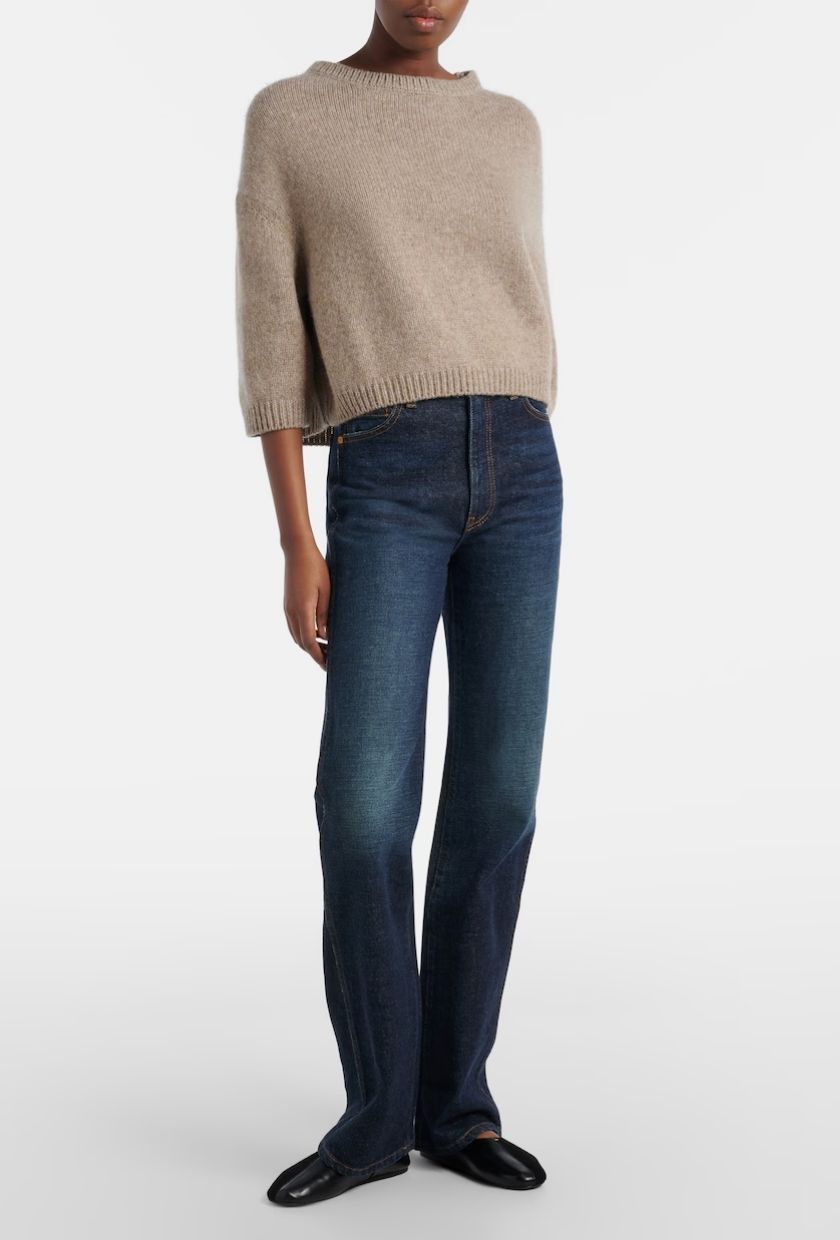
We have long believed that true luxury is not about visibility but about feeling, and the quiet ascent of denim into the realm of high fashion proves this instinct right. What we are witnessing is not a trend cycle but a recalibration of value: the most coveted jeans today are those that refuse to perform for the camera, prioritizing an obsessive commitment to fit, fabric, and finish over any logo or label. This shift mirrors a broader cultural desire we explored in our study of Denim's quiet return to the center of modern wardrobes, where the fabric becomes an anchor rather than a statement. For our reader, this means the decision to invest in a pair of jeans is no longer about chasing a silhouette but about entering a relationship with a garment designed to last.
The psychology behind this movement is as precise as the tailoring itself. Fashion psychologist Dr Dion Terrelonge frames it as a search for craft in an era of polyester and AI, a longing for something that feels pure and tangible against the skin. This explains why the brands flourishing in this space, Khaite, The Row, Toteme, Rùadh, Ossou, are smaller, independent houses rather than fashion's historic power players. They succeed because they treat denim as a living, breathing thing, as Benjamin Talley Smith, the designer behind Khaite's bestselling Danielle jeans, describes it. His process involves hands-on oversight in Los Angeles factories, reviewing every wash and fit, a level of care that justifies a £600 price tag in a way that a name alone cannot. Shakaila Forbes-Bell, a fashion and consumer psychologist, notes that dark washes and straight legs dominate because they subconsciously signal higher value and resource access. We would add that they also signal something more intimate: the quiet confidence of a woman who knows exactly how she wants to feel in her clothes, a sentiment that echoes the expressive freedom we examined in The Most Expressive Jeans Refuse to Fit the Old Rules.
What makes this moment so compelling is that the luxury here is not imposed from above but earned through detail. Jac Cameron, founder of Rùadh, speaks of obsessing over pocket angles, rise heights, and the fall of a leg from the hip, while her shank buttons are made from recycled brass with a real gold finish in an Italian factory. These are elements the untrained eye will never see, yet they define the garment's entire presence. The same philosophy drives Ossou's creative directors, who design denim to relax and evolve with the wearer, becoming more personal over time. Even the secondhand market reflects this logic: eBay saw searches for luxury denim rise by 308 percent between August and September 2026, with vintage curators like Marie Blanchet sourcing American Levi's 501s from the '80s and '90s for Parisian clients who value the lived-in butt of a well-made pair. This is not nostalgia for nostalgia's sake; it is a recognition that the best jeans were originally made for work, built to endure a decade of motion.
The practical takeaway for our reader is this: when you choose a pair of jeans at this level, you are not buying a trend or a status symbol. You are buying a fit that has been refined over countless fittings, a fabric that will mold to your body, and a hidden infrastructure of craftsmanship that makes the piece feel inevitable rather than extravagant. The open question, then, is whether the big fashion houses can learn this lesson. Gucci's Horsebit style, under Demna, is the only luxury house name-checked by retailers in this conversation, suggesting that even the largest names must earn their place in this new hierarchy. Watch how they respond, because the quiet ascent of denim is not a moment; it is a standard.