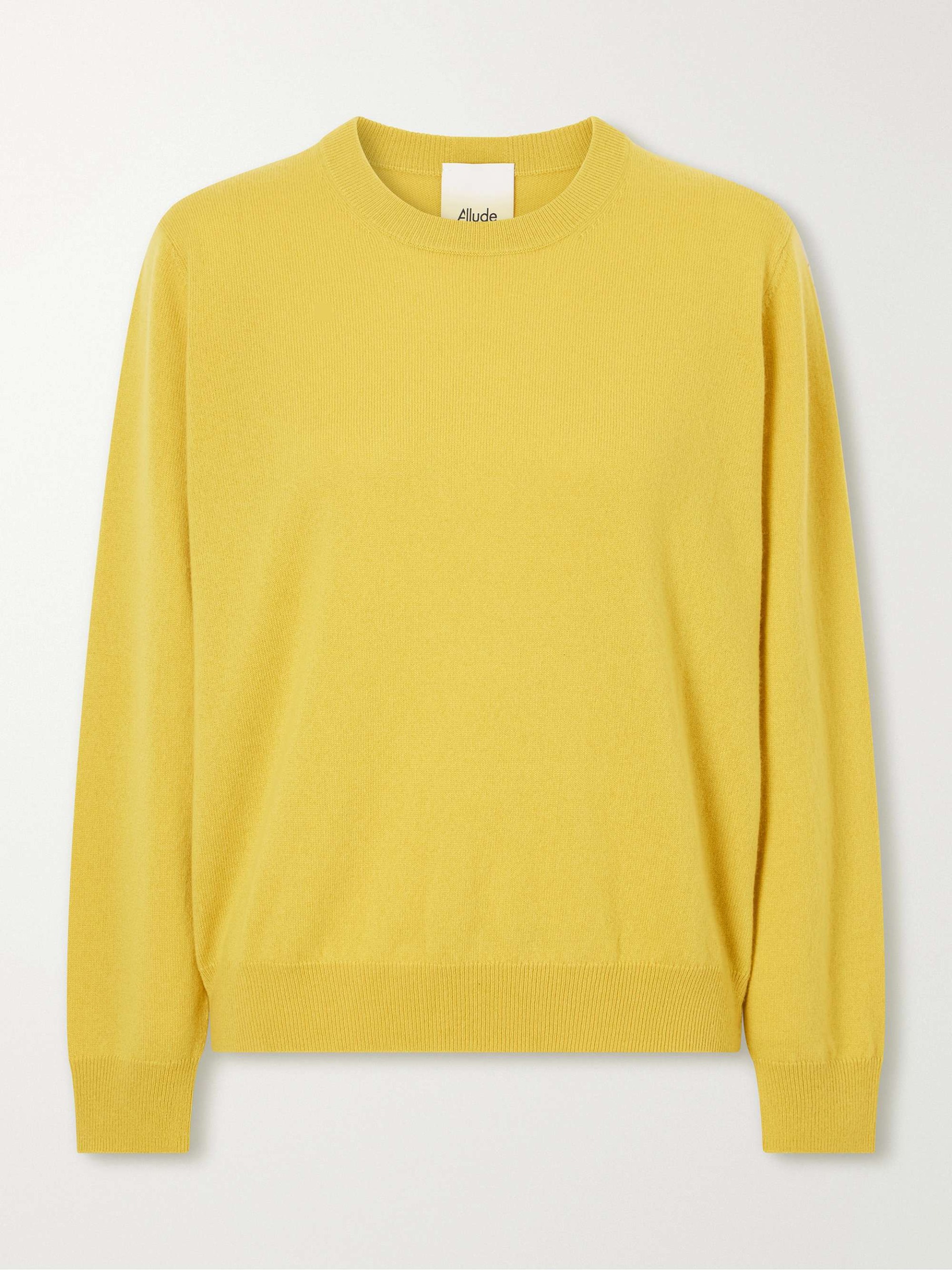
There is a particular pleasure in the first day the air holds that clean, cold edge, and a sweater earns its place for more than just a passing morning. This season's take on the essential knit is not about bold proclamations but about a quieter kind of pull: rugby stripes that feel collegiate without trying, relaxed polos that move away from structure, and tactile finishes that beg to be touched. It is a study in restraint, where the fabric and the fit do the talking. This approach to layering feels less like a trend cycle and more like an invitation to return to a version of ourselves that is unhurried. It aligns with the same understated sensibility we admire in Elevated Footwear: Defining Fall's Quietly Stylish Sneaker Selection, where the choice is not about volume, but about the quiet confidence of a well-considered detail.
For us, the appeal of this sweater story is not in the garment itself but in the emotional state it offers. It is the texture of a sleeve against your wrist on a cool evening, the weight of a collar that sits just so. This is not fashion as armor; it is fashion as a second skin, a way to feel at home in your own presence. We would tell a reader that the true luxury here is in the feeling of being physically comfortable, which allows for a mental ease. It is the same philosophy that makes Short nails, elevated style: Fall's manicure mood so compelling; the polish is not in the excess, but in the precise, careful curation of the self. You do not need to announce your arrival; the quality of your presence does that for you.
This is also a reminder that femininity can be a quiet form of power. There is a softness to a relaxed polo or a broken-in rugby stripe that is deeply sensual without being loud. It is a confidence that does not seek validation, a self-assurance that comes from within. This is the energy we see reflected in Lingerie as Layers: Daisy Edgar-Jones Redefines Modern Sensuality, where the most intimate garments are not hidden but are instead integrated into a larger, more personal narrative of style. The sweater, like the slip, is not about performance; it is about a private feeling of ease that radiates outward. It is a way of dressing that says more about how you feel than about how you look to others.
Our honest take is that this trend is a permission slip to slow down and listen to what your body wants to wear. The practical consequence is simple: when you find that one piece with a tactile finish or a stripe that feels right, you are not just buying a sweater. You are investing in a mood, a slower pace, a more deliberate way of moving through the world. The specific detail to watch is the fabric's hand. Does it invite a second thought? Does it feel like something you want to live in? That is the only test that matters, and it is one worth failing and retaking until you get it right.