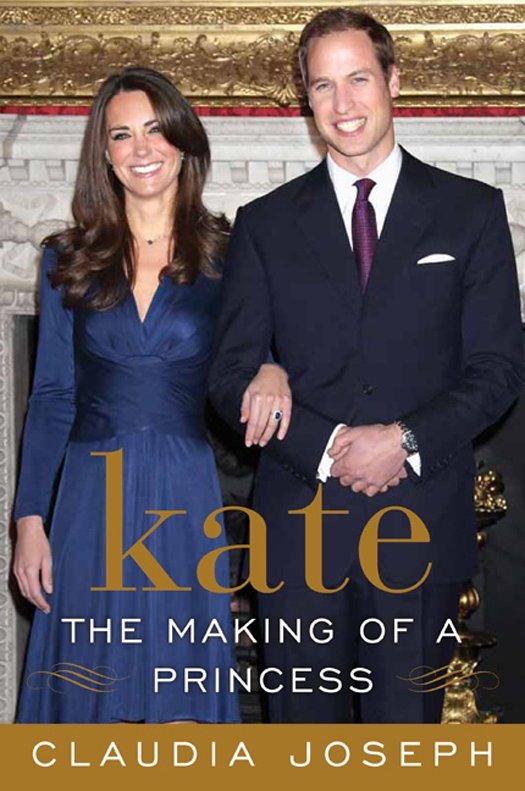
There is a particular power in the moment a woman decides her presence is not a negotiation. The report on the early days of Prince William and Princess Kate's relationship, specifically the quiet ultimatum she delivered when she sensed his hesitation, is not really about royalty at all. It is about the emotional architecture of self-respect. She said, "Look, if you're not happy..." and in that pause, she redefined the terms of her own life. It is a strikingly modern echo of the composure we often admire from a distance. This same thread of quiet authority runs through A Monarch’s Reserve: Queen Elizabeth’s Quiet Distrust, where the late Queen's emotional restraint was often misread as coldness, when it was actually a deeply held boundary. And it resonates with the grace we see in A Quiet Tribute: Kate Honors Queen Mother's Legacy of Grace, where resilience is not loud, but enduring.
What strikes us is not the drama of the moment, but the stillness within it. There was no public plea, no dramatic exit, no performative hurt. There was only the simple, devastating clarity of someone who knows her worth is not contingent on another person's ability to see it. In a culture that often confuses volume with conviction, this is a lesson in the elegance of walking away. It is the kind of confidence that does not need to raise its voice to be heard. It is the quiet assertion that says: I am not a chapter in your uncertainty. I am a full story of my own. For our readers, this is not a distant fairy tale about a future queen; it is a practical blueprint for any relationship, romantic or otherwise, where you suspect you are being kept as an option rather than chosen as a priority.
The takeaway here is specific and actionable. When you are tempted to over-explain your worth, to shrink yourself to fit someone else's ambivalence, remember the power of a complete sentence. The question is not "What did I do wrong?" but rather "What am I willing to accept?" The most refined form of self-love is often the willingness to release the need for closure. It is the ability to let the silence speak for itself. We would tell any reader sitting with this story that the goal is not to become someone who is hard to get, but someone who is hard to lose because they are impossible to mistake for anything less than a choice. The real legacy of this moment is not the reconciliation that followed, but the standard she set for herself in that instant.
As we reflect on this, we are left with a question that lingers long after the headline fades: How much of your own peace are you willing to trade for someone else's comfort? The answer, for those who have truly internalized the quiet confidence of knowing when to walk away, is always the same. It is never worth it. The specific detail to watch is not what he did next, but what she was prepared to do if he had not. That is the quiet power we should all be studying.