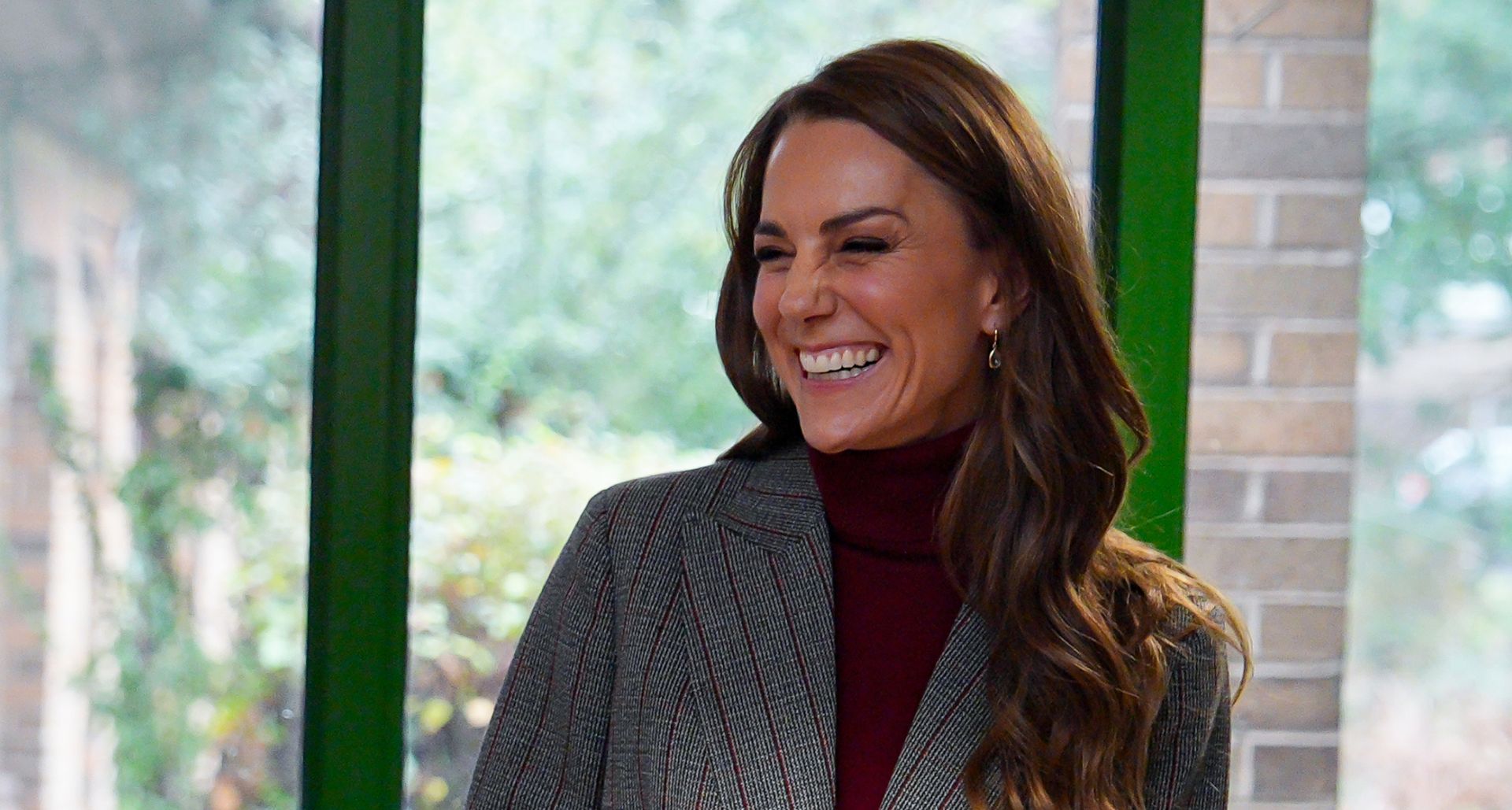
There is a particular kind of confidence that does not announce itself. It is the quiet kind, the one that shows up in preparation rather than performance, and Princess Kate demonstrated it perfectly with a two-sentence voice note recorded in flawless Welsh for BBC Children in Need. The gesture was small, almost incidental, and that is precisely why it resonated. It was not a spectacle or a statement; it was simply evidence of a woman who treats respect as a practice, not a photo opportunity.
This is the same intentionality we have come to admire in her approach to motherhood and private life, the quiet ritual she teaches her children about presence and gratitude, and the understated way she and Prince William have integrated their cocker spaniels into their daily world. The Princess of Wales does not need to tell us she cares about Wales; she learned the language. She does not need to perform her role; she embodies it through preparation that feels effortless because it is never showcased. For our readers, the lesson is not about royal protocol. It is about the power of showing up prepared, in a way that makes the other person feel genuinely seen. Owain Wyn Evans did not receive a generic royal greeting; he received a message in his mother tongue, delivered with pronunciation that Welsh listeners called "perfect." That is the difference between performing kindness and practicing it.
What makes this moment particularly striking is the contrast it draws with the noise of modern influence. So much of our public life is built on announcement, on telling people what we are doing before we do it. Kate operates on the opposite principle: she does the work, and the work speaks quietly for itself. Prince William has spoken openly about his own attempts to learn Welsh, and during a spring visit, a woman praised his skills, to which Kate replied with a knowing, "Yes. I know. He's very smart!" There is a playfulness there, a private pride, but it is never boastful. The couple approaches the language as a shared commitment, not a competitive achievement. That is a model for how we might approach our own growth, not for applause, but for connection.
The takeaway is concrete: mastery is a form of respect. Whether it is learning a language, remembering a name, or preparing for a conversation, the quiet work we do before anyone is watching is what the people we care about actually feel. Kate's Welsh was not a headline-grabbing stunt; it was a personal note to a man raising money for children, delivered in the language of his home. The question her gesture leaves us with is not what she can do, but what we might accomplish if we stopped performing our efforts and simply did them well. That is the standard she sets, and it is a beautiful one to aspire to.