There is a particular quiet that settles over a fitting room when the mirror reflects a body in transition, and it seems the fashion industry is now listening to that silence. Tanya Taylor's observation, that clients who once wore a size 16 or 18 are now reaching for a 10 or 12, is not merely a note on shifting measurements. It is a confession about the fragility of an industry that has built its recent identity on the promise of inclusivity, only to find that promise tested by a medical wave it cannot control. The rise of GLP-1s is redrawing the very silhouette of demand, and while the headlines focus on the shoppers, our attention is on the independent designers who are left holding the tape measure. This is not a story about weight; it is a story about the cost of change, and who is expected to pay it. For the brands we admire, the quiet luxury of our own wardrobes, the ones we champion in pieces like The Art of Reuse: A Quiet Ode to Pre-Loved Finds, the pressure is not just aesthetic but deeply economic. When a customer's body changes, so does her closet, and the independent labels that stretched their resources to offer a broad range of sizes are now facing a cruel irony: they expanded their lines for a body type that is, for a growing segment, becoming a moving target. This is the hidden tax of a trend that was never marketed as a trend at all. The practical consequence for the reader is immediate. The brands you love, the ones that finally offered a size 14 that fit beautifully, are now staring at unsold inventory in those very sizes. They must decide whether to re-cut their patterns, absorb the loss, or quietly walk back their commitments. We have seen this tension before in the conversations around The Quiet Cost of Wearing Your Values in Alt Fashion, where the moral weight of a purchase often collides with the reality of production. Here, the values have not changed, but the bodies wearing them have, and the cost is being borne by those who can least afford to pivot. The deeper issue is one of identity versus biology. Inclusivity was never meant to be a seasonal offering, a capsule collection of sizes that could be dropped when the trend moved on. It was a philosophical stance, a commitment to seeing the full spectrum of the female form as worthy of design. But GLP-1s have introduced a variable that no mood board could have predicted. The designer who built her label on a promise of "great clothes across a broad range of sizes" is now watching that range compress from the top down. This is not a failure of will or a lack of creativity; it is the market responding to a physiological shift that no one asked for. For the modern muse, the woman who dresses with intention and seeks clothes that reflect her inner state, this moment demands a new kind of awareness. It is not enough to buy the story of the garment; you must understand the economics of its making. The brands that survive will be those that can separate the body from the identity, that can serve a customer in her current form without abandoning the principles that drew her in. That is a delicate balance, one that requires more than just a size chart; it requires a soul. What we are watching is the end of a naive era, one where inclusivity was treated as a static goal rather than a living, breathing negotiation with reality. The takeaway is direct: support the independent designers now, in this moment of flux, not just with your purchases but with your patience. Ask them how they are adapting, not as a challenge but as a gesture of solidarity. The concrete point to watch is the next seasonal lookbook from your favorite label. See if the model in the size 14 is still there, or if she has been quietly replaced by a sample size that reflects a thinner, medically altered reality.
sustainable fashion
The Quiet Cost of Inclusivity's New Era
The quiet cost of inclusivity's new era is landing hardest where margins are thinnest.
4 min read Latest from Marie Claire
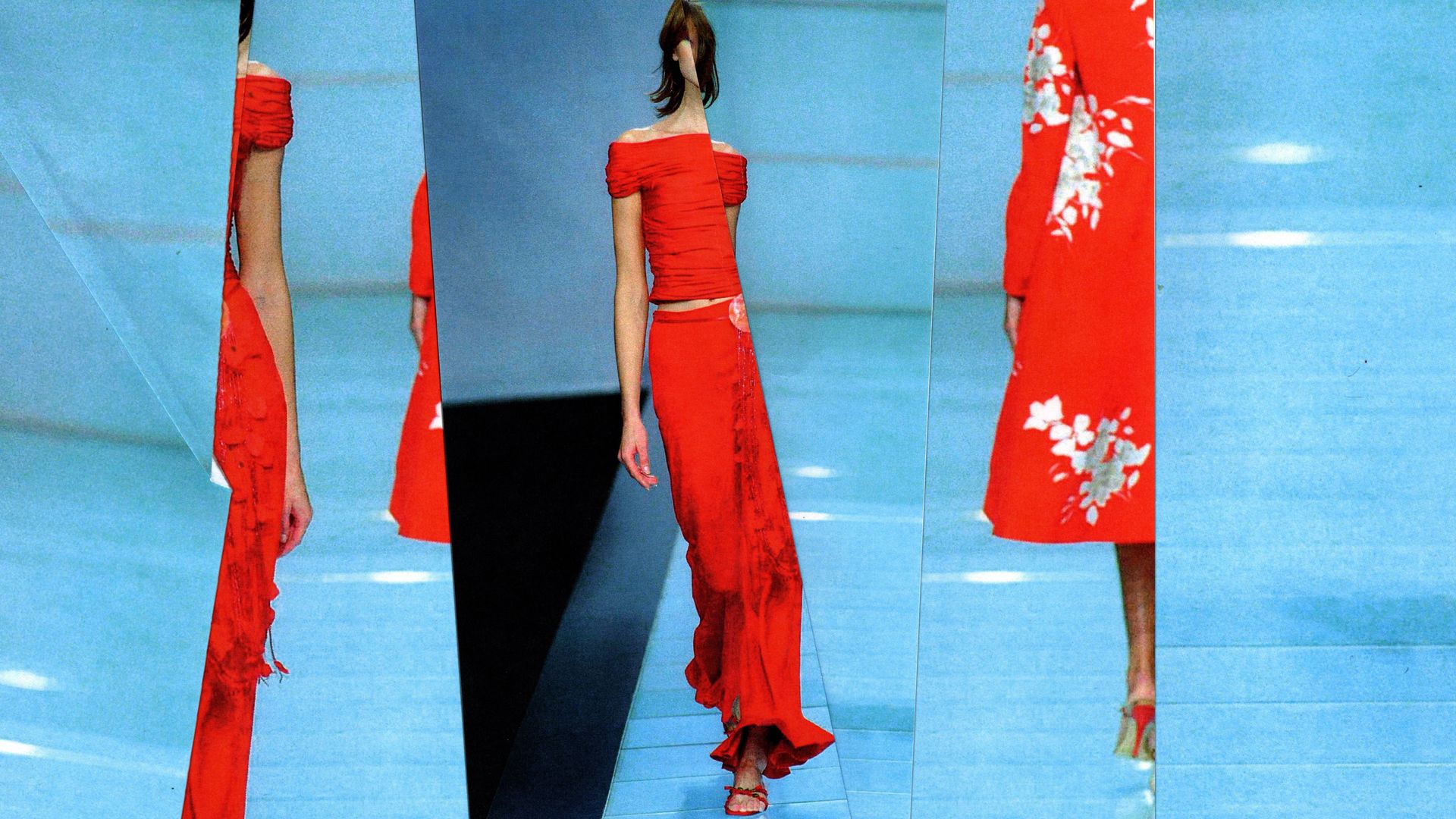
Tanya Taylor saw the first signs of change in her fitting rooms. The designer built her namesake label around a simple promise: great clothes across a broad range of sizes. But lately, the demand has noticeably shifted in one direction. “We’ve tracked clients who were a size 16 or 18 and are now a 10 or 12,” Taylor says. “Shapes are getting slimmer.”