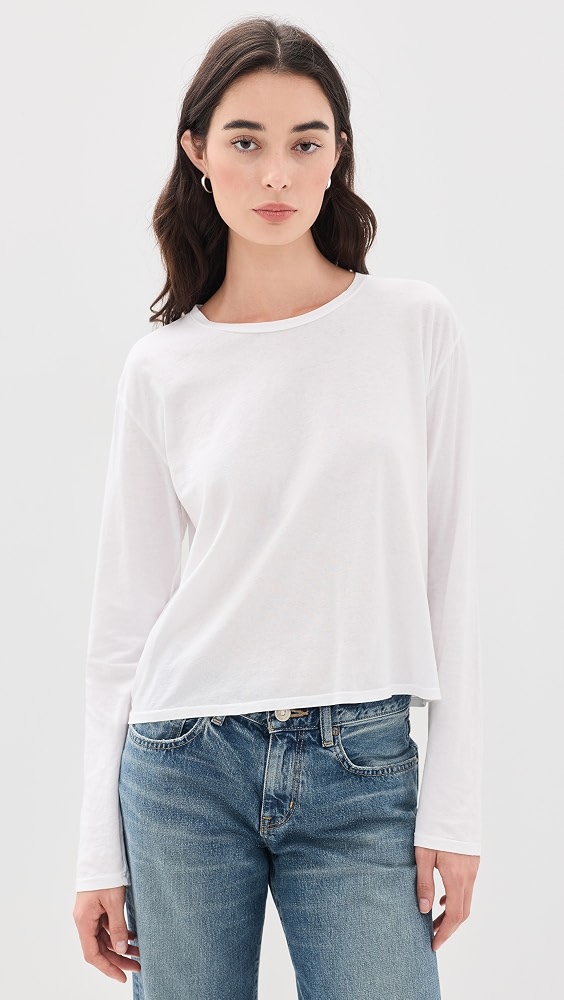
The quiet cost per wear of fall's most intentional staples is not, in fact, quiet at all. It speaks volumes about a shift in how we value what we wear, moving from accumulation to curation, from trend-driven urgency to a slower, more deliberate rhythm. Who What Wear's framing of elevated basics as foundational pieces with the best cost per wear resonates because it strips away the noise and returns us to something essential: the garment that asks nothing of you but gives everything in return.
This is where the conversation becomes deeply personal. The quiet reinvention of the ballet flat for fall mirrors this same philosophy, glove-soft leather, pointed toes, and tougher Mary Janes are not novelties but refinements. They are the same silhouette we already trust, elevated through material and intention rather than reinvention for its own sake. When Hailey Bieber's French-Girl Allure Meets an L.A. Edge, she is not chasing a new look; she is layering her existing confidence with pieces that feel like extensions of her identity. The cost per wear of those staples is not calculated in dollars alone but in the emotional return they offer each time you reach for them.
What this means for us in practical terms is a license to edit. The question is no longer "What should I buy?" but "What will I wear until it wears out?" The answer lies in the pieces that survive the seasonal churn, the cashmere that softens with age, the leather that molds to your foot, the silhouette that remains relevant because it was never chasing relevance in the first place. As explored in The Quiet Edit How Style Evolves After Graduation, this evolution is not about abandoning personality but refining it, learning that fewer choices often yield more presence.
The specific takeaway here is that cost per wear is not a budgeting hack; it is a philosophy of attention. When you invest in a piece that asks for your patience, a ballet flat that requires breaking in, a knit that demands careful washing, you are not spending more. You are paying for the privilege of wearing it slowly. The detail to watch this fall is not which silhouette dominates but which pieces you find yourself reaching for on the mornings when no one is watching. That is the true cost per wear, and it has nothing to do with price tags.