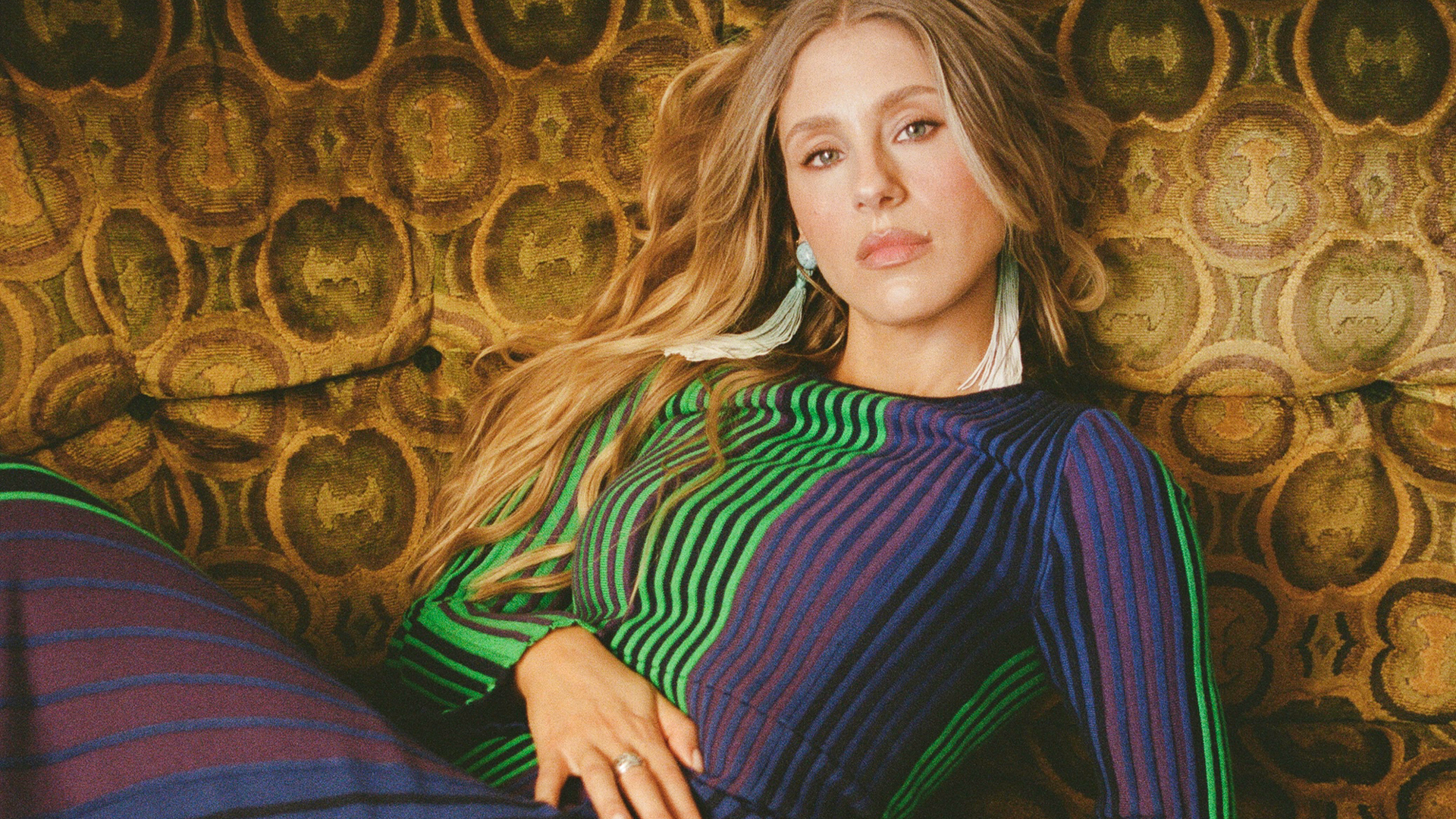
There is something quietly radical about a comedian who treats absurdity not as a punchline but as a craft. Lisa Gilroy, currently appearing in everything from *The Studio* to *Brothers*, has built a career on full commitment to the bizarre, and we find ourselves drawn to the intentionality beneath the chaos. In an era where attention is often earned through volume, Gilroy's approach feels more like the Quiet Art of Styling Sweatpants Beyond the Doorway, effortless on the surface, but deeply considered underneath. She is not shouting for laughs; she is inhabiting them.
What strikes us most is her relationship to success. When asked about her project-picking philosophy, Gilroy describes herself as "winning little lotteries" rather than curating a master plan. This is not false modesty. She openly admits to feeling like "a dog in a butterfly sanctuary," overstimulated by possibility and still learning to choose. There is a quiet confidence in that honesty. She knows the three Ps, profit, prestige, personal gain, and acknowledges that for a decade, only two existed for her. This grounded self-awareness is reminiscent of Sienna Miller reviving a '90s denim staple with quiet authority: both women understand that lasting appeal comes from knowing what you are, not from performing what you think you should be. Gilroy's willingness to name her own overwhelm, rather than posture as fully in control, makes her ascent feel earned rather than manufactured.
Her comedy is built on a foundation of emotional risk. She recalls the thrill of making adults laugh in seventh grade without understanding the jokes, and later cites Kristen Wiig, Jim Carrey, and Molly Shannon as early influences, performers who were celebrated for being "insane" at a time when she was punished for it at the dinner table. That tension between chaos and containment is where she lives. Playing opposite Matthew McConaughey, she describes the experience as "living in a simulation," and tells a riddle about Neil Armstrong and Buzz Aldrin that reveals more than she probably intends: the high five hadn't been invented yet. The punchline is that even our most iconic gestures are recent inventions. Gilroy seems to understand that comedy, like fashion, is always rewriting its own rules. She is not just making us laugh; she is quietly showing us that the rules we take for granted were never that solid to begin with.
The question her trajectory leaves us with is not whether she will continue to win roles, but how she will navigate the tension between abundance and burnout. She has already named the danger: "You can get too busy and burn out." For someone who spent years saying yes to everything, the next chapter is about discernment. We will be watching to see which roles she chooses when she is no longer a dog in a butterfly sanctuary, but a woman standing still enough to know what she actually wants. That, perhaps, is the most intentional comedy of all.