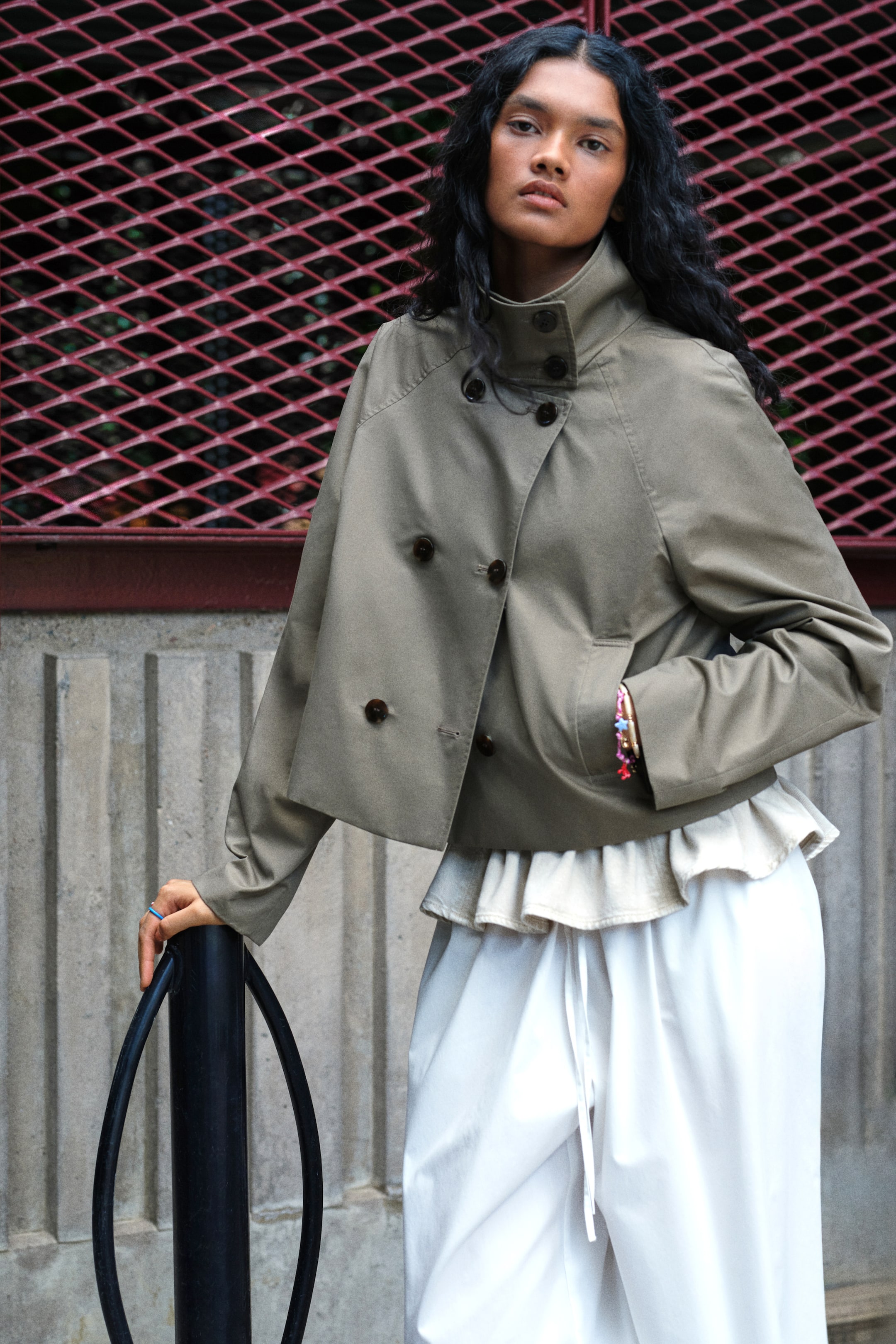
The shift towards foundational pieces, as highlighted by H&M’s latest drop of "anti-trend" autumn basics, signals a fascinating recalibration within the fashion landscape. For so long, we’ve been bombarded with micro-trends, fleeting aesthetics, and the pressure to constantly refresh our wardrobes. This move, however, feels like a deliberate retreat—a quiet acknowledgment that enduring style isn’t about chasing the next viral moment, but rather cultivating a collection of well-made, versatile pieces that transcend seasonal fads. It echoes the sentiments explored in [Not Jeans—These Pants Will Make Every Fall Outfit Look Way Cooler], where the focus shifts away from predictable denim towards more interesting, elevated alternatives. The current climate demands a more considered approach to consumption, and brands like H&M, even in their accessible tier, are responding to that desire for longevity and intentionality. The timing, arriving as the first whispers of autumn begin to emerge, is also perfectly aligned with a consumer mindset that’s increasingly attuned to quality over quantity.
The term "anti-trend" itself is particularly interesting. It’s a clever reframing that positions these basics not as lacking in style, but as actively rebelling against the superficiality of fleeting trends. This resonates with a broader cultural shift towards quiet luxury, a sensibility that prioritizes understated elegance, impeccable craftsmanship, and a sense of timelessness. It’s about owning fewer, better things, and deriving satisfaction from the inherent quality and versatility of those pieces. We’ve seen similar explorations of this concept in the recent Saint Laurent campaign, where [Rosé Makes Saint Laurent’s Fall 2026 Campaign Feel Electric] showcases a blend of sharp tailoring and textural richness—a departure from the overtly trendy and a celebration of enduring style. The emphasis on foundational elements allows for individual expression through layering, accessories, and personal styling, rather than relying on a single, dictated aesthetic.
This isn't to say that trends will disappear entirely. They remain a vital part of the fashion ecosystem, providing inspiration and driving innovation. However, the increasing popularity of these “anti-trend” basics suggests a growing desire for a more stable sartorial foundation—a core wardrobe upon which to build more adventurous looks. It speaks to a growing self-assuredness in personal style, a confidence in knowing what works for *you* rather than blindly following the dictates of social media or fast fashion cycles. The move by H&M, therefore, isn't a rejection of fashion itself, but rather a realignment—a recognition that true style isn’t about constant reinvention, but about cultivating a personal aesthetic that feels authentic and enduring. And as our readers know, finding that “fun skirt” that elevates the everyday – as discussed in [We’re Living In A "Fun Skirt" Era—An Expert Shares Why It's the Unexpected Wardrobe Staple Everyone Needs] — often hinges on a strong base of well-chosen essentials.
Ultimately, H&M’s offering reflects a broader conversation about the future of fashion. Consumers are becoming more discerning, demanding greater transparency, sustainability, and value for their money. The focus on anti-trend basics, coupled with a growing appreciation for quiet luxury and personal style, suggests a shift away from the relentless churn of fast fashion and towards a more considered, intentional approach to dressing. The question now is: will other brands follow suit, prioritizing quality and longevity over fleeting trends, and how will this influence the broader industry’s focus on sustainability and responsible consumption?