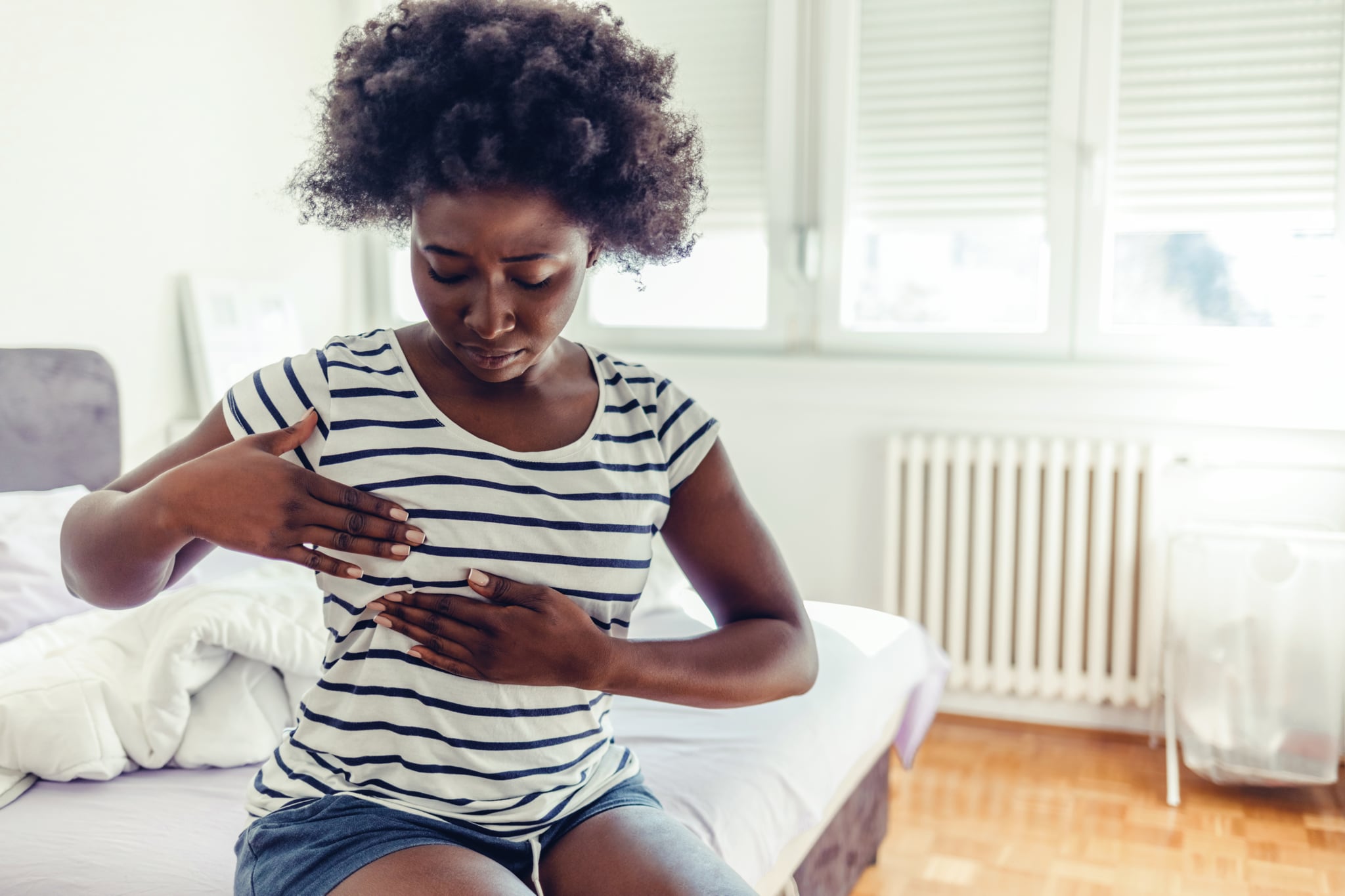
We live in an era of heightened awareness, yet clarity recedes. The conversation around breast health has quietly evolved, leaving many of us uncertain about the most basic act of self-care: the self-exam. This confusion is not incidental, it reflects a genuine shift in public health guidance that prioritizes statistical risk over individual intuition. For a generation that values both self-knowledge and preventative wellness, the mixed messaging feels like a contradiction we are left to navigate alone. We believe the answer is not to abandon the practice, but to reclaim it with intention and information. This is not about fear; it is about familiarity with our own bodies, a quiet discipline that aligns perfectly with the ethos of My Wellness Non-Negotiables for Staying Well, where presence and routine become the foundation of lasting health.
The American Cancer Society does not recommend regular self-exams, citing the risk of false positives and unnecessary procedures. For many women, this creates a vacuum, a sense that we should be doing something, but no clear instruction on what. Yet the same organization acknowledges that most breast cancers are discovered during everyday activities, not during clinical screenings. This is where the nuance lives. Dr. Richard Reitherman reminds us that ten percent of all breast cancers occur in women under forty, a demographic for whom mammograms are not routinely advised. For these women, self-exams are not merely helpful; they are essential. We find ourselves in a space where public protocol has not caught up with lived reality, a theme that resonates deeply with the systemic gaps explored in A Blind Spot Built for Men Melinda French Gates Seeks to Fix. The medical establishment was not designed with the full spectrum of female experience in mind, and this gap in breast health guidance is a quiet symptom of a larger problem.
The practical takeaway is straightforward: do the exam. Dr. Austin Williams advises that every adult, regardless of gender, should perform self-exams to become familiar with their baseline. Dr. Avan Armaghani recommends doing so monthly, ideally one week after your period. The method is simple: place your hand behind your head, use the middle fingers of the opposite hand to press in small motions across the entire breast and armpit, and gently squeeze the nipple for any discharge. Look for skin changes, redness, rashes, or nipple inversion. This is not a replacement for annual mammograms starting at age forty, but it is a powerful complement. As Dr. Reitherman states, screening mammography saves lives, and breast self-exams will also save lives for many women. This is not an either-or proposition; it is a both-and practice of self-attunement.
The story of Johanna Tran, diagnosed at thirty and documented in Finding Strength & Nourishment: Formula for Breast Cancer Survivors, is a reminder that awareness must begin before diagnosis. The quiet evolution of breast health asks us to hold two truths at once: that public guidance is imperfect, and that our own knowledge of our bodies is a form of power. The open question remains, how do we bridge the gap between institutional caution and personal vigilance? The answer starts with a single, intentional act: knowing what is yours to know.