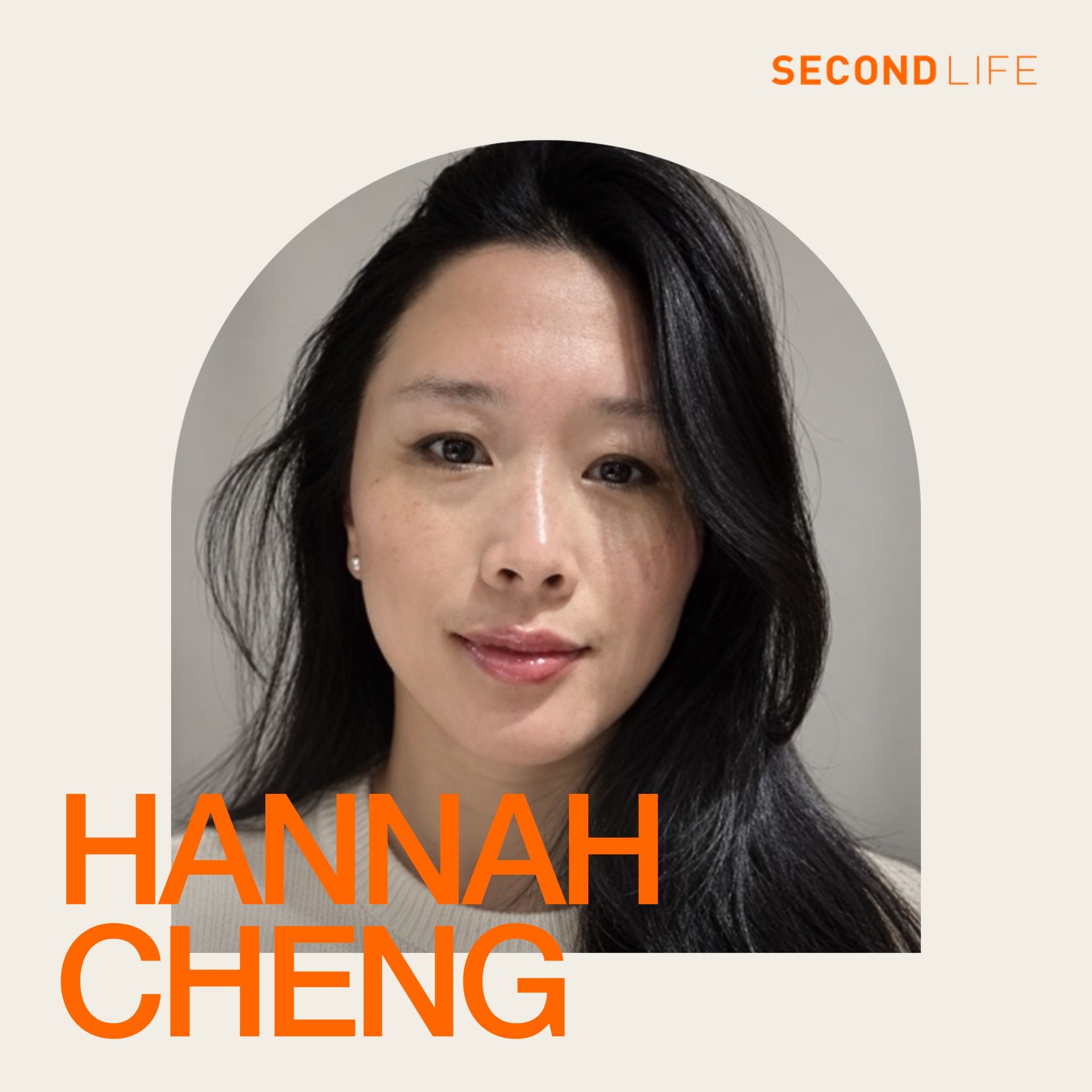
Hannah Cheng built one of New York's most beloved dumpling restaurants, then closed it to bet everything on the frozen aisle. That decision reads as a retreat to anyone who measures success in dining rooms. We see it as the opposite: a founder finally giving her original vision room to breathe. Cheng and her sister opened Mimi Cheng's in the East Village in 2014, named for their mother, whose homemade dumplings had already proven their worth in a J.P. Morgan office where colleagues begged for a share. Four more restaurants followed. The frozen-food line, though, was always the intention. Closing the restaurants to focus on it fully is the kind of clarity most founders reach years too late, and it carries the same controlled openness we noted in The Crown rewrites its playbook with a strategy of quiet transparency. Nothing loud. Just a decision made and owned.
The restraint is what stays with us. Cheng left a rates derivatives sales desk at J.P. Morgan, a career built on precision and numbers, and carried into food the same instinct for reading demand before it announces itself. Her colleagues' requests were the first data point. The dumplings were the proof. Watching her move from five restaurants to national retail, now on shelves at Whole Foods, Bristol Farms, and others, feels less like a pivot than a return to the plan she and her sister held from the start. The restaurants were the testing ground. The frozen dumplings were the destination. There is a quiet confidence in admitting that out loud, and it mirrors the discipline behind The Trends That Defined Fashion Month, Validated by the Data: instinct first, then the numbers to confirm it.
For our readers, the takeaway is direct. A founder's most valuable asset is knowing which version of the business is the real one, and having the nerve to close the rest. Cheng's story also reframes what ambition looks like when it is feminine and unhurried. She did not scale for the sake of scale. She built five restaurants, learned what the market was actually asking for, and then chose depth over display. That is founder-as-muse energy in practice: the brand as an extension of a worldview, not a performance of growth.
What to watch now is the shelf. Frozen dumplings put Mimi Cheng's in front of shoppers who will never stand in an East Village line, and the brand's next chapter will be written in retail doors rather than dining rooms. Whether a restaurant-born identity survives the freezer aisle, and whether Cheng's mother's recipe translates without the room around it, is the open question. She has already answered the harder one: she knew when to let go.