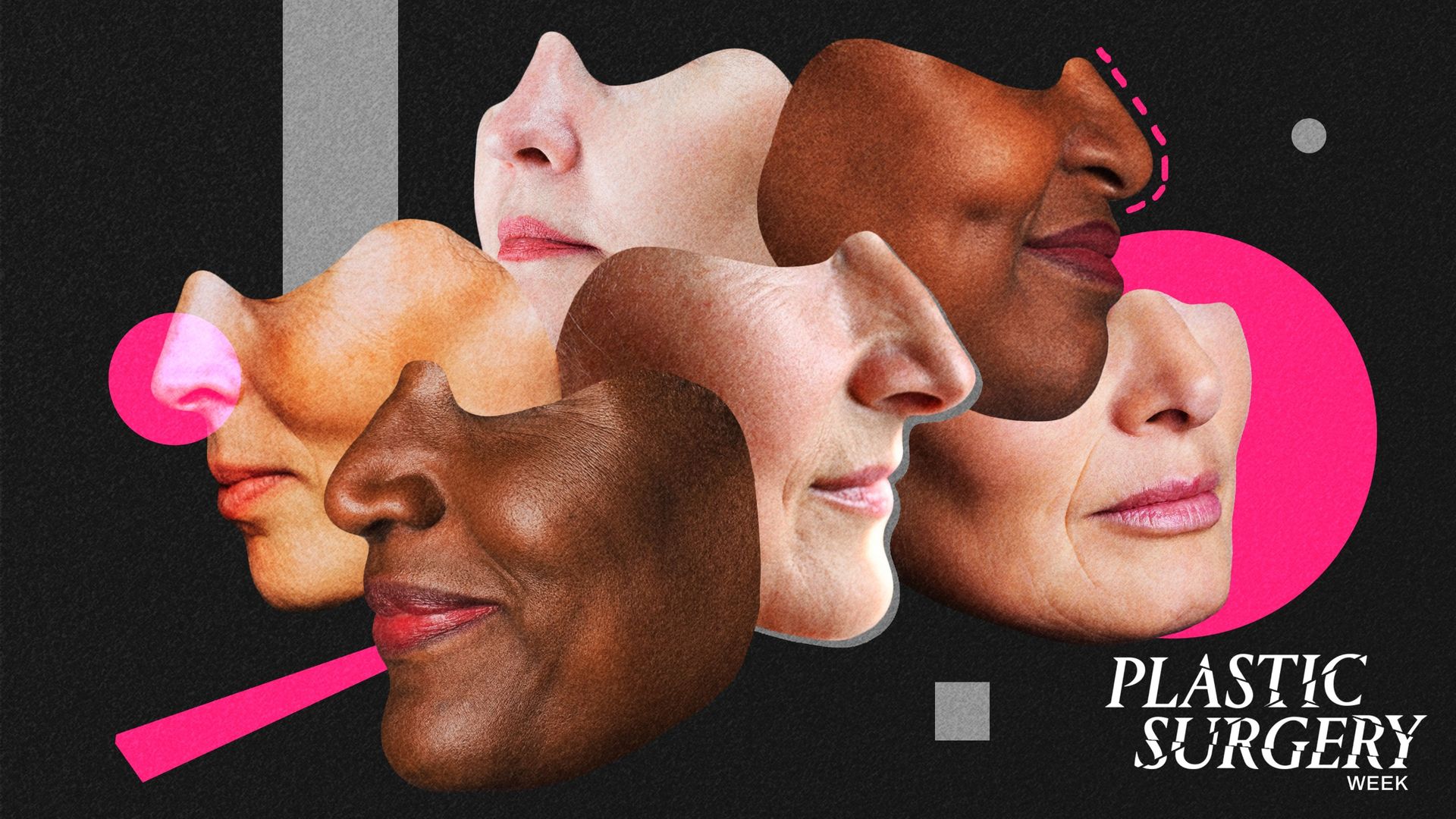
The quiet luxury of reinvention has nothing to do with erasing the past and everything to do with honoring the woman you have become. We have watched the conversation around cosmetic procedures shift from hushed whispers to open, intentional dialogue, and nowhere is this more evident than in the rising number of women in their 40s and 50s choosing rhinoplasty. This is not about chasing a youthful ideal; it is about finally aligning the external with the internal. For decades, nose jobs were framed as a rite of passage for the young, but the data tells a different story now. The American Society of Plastic Surgeons reports a 10 percent increase in rhinoplasty among patients aged 46 to 55 in 2025, and surgeons like Deepak Dugar note that nearly 40 percent of their patients are now over 40. This mirrors a broader cultural shift we see across our coverage, from Gen Z is reshaping tailoring into an everyday refined ritual to the way Effortless contrast: oversized warmth meets refined lightness defines modern dressing. The through line is intention: women are curating their lives with a clarity that only comes with time.
What strikes us most is the emotional maturity behind these decisions. The women in this story are not acting out of insecurity or vanity; they are acting out of a deep sense of self-awareness. Kristina, 53, waited decades because she viewed the expense as selfish when her children were young. Stephanie, 50, finally addressed a hump that had bothered her for 30 years, not to impress anyone else, but to feel like a better version of herself. This is the essence of self-investment at midlife: the recognition that caring for oneself is not a subtraction from others, but an addition to one's own wholeness. The stigma has evaporated, replaced by a quiet confidence that says, "I am allowed to want this for myself." Professor David B. Sarwer of Temple University observes that self-acceptance can mean moving forward with things you always wanted to do but never did. We find that deeply resonant. It reframes the entire conversation from one of correction to one of completion.
The practical implications for our readers are clear. If you have spent years contemplating a change, whether to your appearance, your wardrobe, or your daily rituals, the question is no longer "should I?" but "why not now?" The women in this story spent months, sometimes years, researching surgeons and sitting with their emotions before moving forward. Kristina's consultation was a storm of intimidation, yet her age gave her the confidence to advocate for exactly what she wanted. That is a concrete takeaway: midlife grants a permission slip that youth cannot offer. The healing process may be longer, and the results may take time to feel like your own, but that patience is itself a form of empowerment. The nose is not immune to aging, cartilage softens, tips droop, bumps emerge, but addressing these changes is not about fighting time; it is about creating harmony with the face you have now.
We are left with one specific question worth sitting with: what would you do for yourself if you stopped waiting for permission? The women in this story waited 20, 30, even 40 years. They stopped waiting. That is the quiet luxury of reinvention, not the procedure itself, but the moment you decide that your own reflection deserves the same care you have given everyone else.