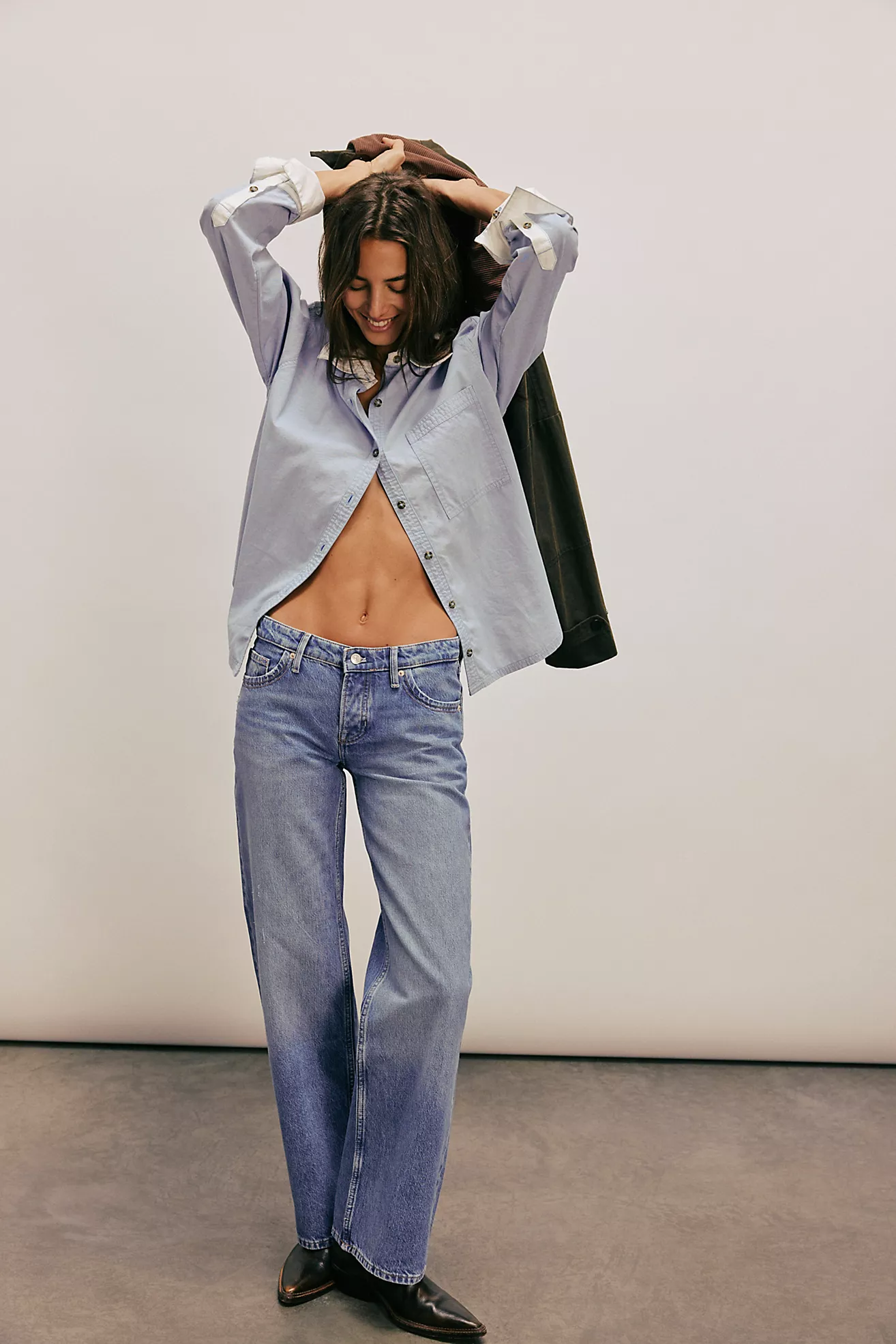
There is a particular stillness that arrives when a woman knows exactly what she wants to wear. The article on jeans and heels in New York captures that moment of hesitation, the quiet back-and-forth between utility and polish, and it resonates because the question is never really about the clothes. It is about intention. The writer notes that the difference comes down to the jeans themselves, but I would argue it comes down to the woman wearing them. A pair of denim with a heel is either a contradiction or a conversation. The magic is in knowing which one you are having.
This tension between the casual and the refined is a theme that runs through much of what we admire. It echoes the same sensibility found in Hawaii's Quiet Luxury Retreat Made Our Digital Detox Feel Inevitable, where the most stylish choice was to switch off entirely. There, the luxury was not in what you added but in what you removed. The same principle applies here: a heel on denim works when the rest of the outfit is edited with restraint. Too much polish, and the heel feels performative. Too much grit, and the denim drags the look down. The balance is found in the space between, a mood of refined stillness, much like the one explored in Japan's quiet aesthetic meets a mood of refined stillness, where atmosphere dictates the fit rather than the other way around.
For our reader who asks whether this pairing is worth attempting, the honest answer is this: it depends entirely on the jeans. Not the brand, not the wash, but the cut and the weight. A rigid, high-waisted straight leg holds its own against a stiletto because it refuses to be softened. A slouchy wide leg asks the heel to do the work of lifting the silhouette, and that can feel like a negotiation. The seasonal shift the article mentions is real, skinny jeans with a pointed pump felt natural in winter, but spring invites a looser shape that requires a different kind of confidence. The takeaway is not a rule but an observation: the most compelling outfits are the ones that hold a quiet tension. The heel and the jean are not fighting for dominance; they are in a calm, mutual agreement.
What I would tell a reader who asked for a specific starting point is this. Choose a jean that feels substantial, something with structure and a slight weight to the fabric. Pair it with a heel that is equally intentional, not a throw-on pump but a shoe with its own character. Then stand in front of the mirror and ask yourself if the combination feels like you, or feels like a costume. The difference is subtle but absolute. The quiet poetry of this pairing is not in the look itself but in the woman who wears it without apology. She is not asking for permission. She is simply choosing.