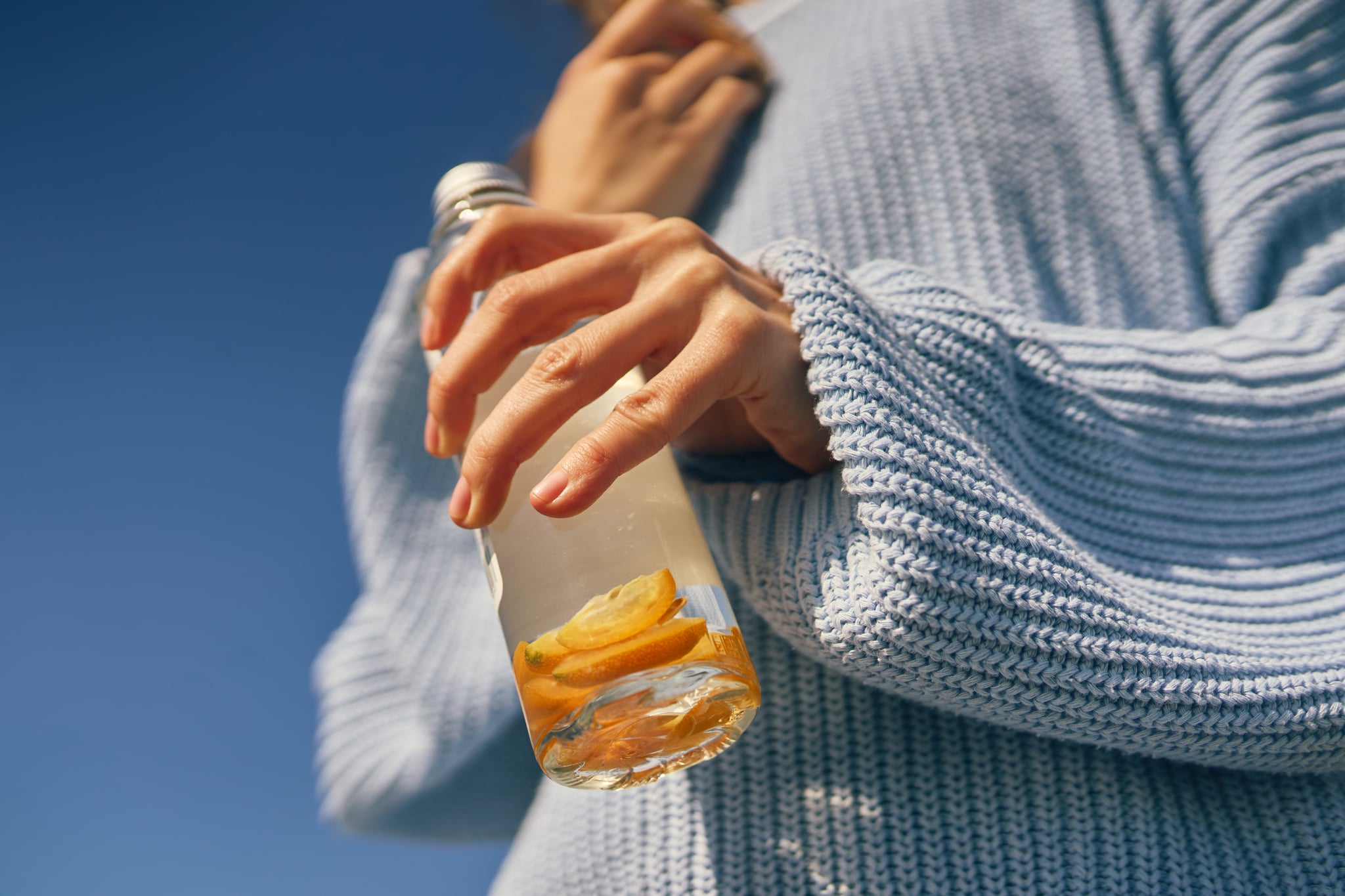
We've heard the numbers before, read the guidelines, and likely scrolled past more "drink more water" reminders than we can count. But in a world where 75 percent of adult Americans are chronically dehydrated, the data is no longer a gentle nudge, it is a quiet invitation to reconsider the ritual itself. And that ritual has become, in equal parts, an object of devotion. The water bottle you choose today says something about the life you are curating. Whether it is the insulating heft of a Hydroflask or the nostalgic silhouette of a Stanley Quencher, the vessel has become a signifier of intention. Perhaps that is why the simple act of hydration now feels connected to a broader shift: the desire to bring purpose to the mundane, a theme that echoes in The Quiet Ritual That Reshapes Mornings in 20 Minutes, where a twenty-minute practice transforms the start of a day.
Yet beneath the aesthetic appeal lies a far more serious conversation. Hydration is not a trend; it is foundational. As Kim Shapira, RD, explains, water regulates temperature, supports skin health, lubricates joints, and aids digestion. Cardiothoracic surgeon Alexandra Kharazi, MD, adds that adequate fluids are crucial for cognitive function, thinking, reasoning, remembering, and that dehydration can lead to dizziness, confusion, and even kidney insufficiency. This is not about chasing a "perfect" bottle. This is about honoring the vessel of the body itself. We find it poignant that Shapira suggests leveling up your hydration game with cute glasses or bottles that motivate you to sip, because that motivation is often the bridge between knowing and doing. The 64-ounce guideline is a helpful anchor, but both experts remind us that individual needs shift with activity level, climate, pregnancy, and chronic conditions. What matters is tuning in.
There is a quiet confidence in choosing to care for yourself this way. It is not performative; it is intentional. And we see that same deliberate approach reflected in other rituals that prioritize inner care, like the decade-long resolution to stubborn skin issues explored in My Decade-Long Acne Battle Found Its Resolution in Quiet Rituals, where persistence and consistency, not quick fixes, ultimately rebalanced the complexion. The parallel is unmistakable: both hydration and skin health resist the allure of overnight results. Both demand that we show up daily, without fanfare, and trust the process. The bottle you choose is not the point. The ritual it enables is. Sparkling water counts, as Dr. Kharazi notes, as long as it avoids hidden calories and artificial sweeteners, though Shapira cautions it may cause bloating. The real luxury is listening to your own body, not following a one-size-fits-all chart.
So here is the concrete takeaway: stop watching the number of bottles and start watching how your body responds. If you exercise in heat, add electrolytes. If you are pregnant, increase your intake. If a matte black bottle with a sleek straw finally makes you drink what you need, invest in the object that supports the practice. We are not here to argue about which bottle deserves a cult following. We are here to say that the ritual of hydration, when done with awareness, becomes a quiet act of self-respect, and that is the only perfection worth chasing. The next time someone asks you to name your favorite water bottle, consider not what it says about your taste, but what it says about your commitment to the vessel that holds you.