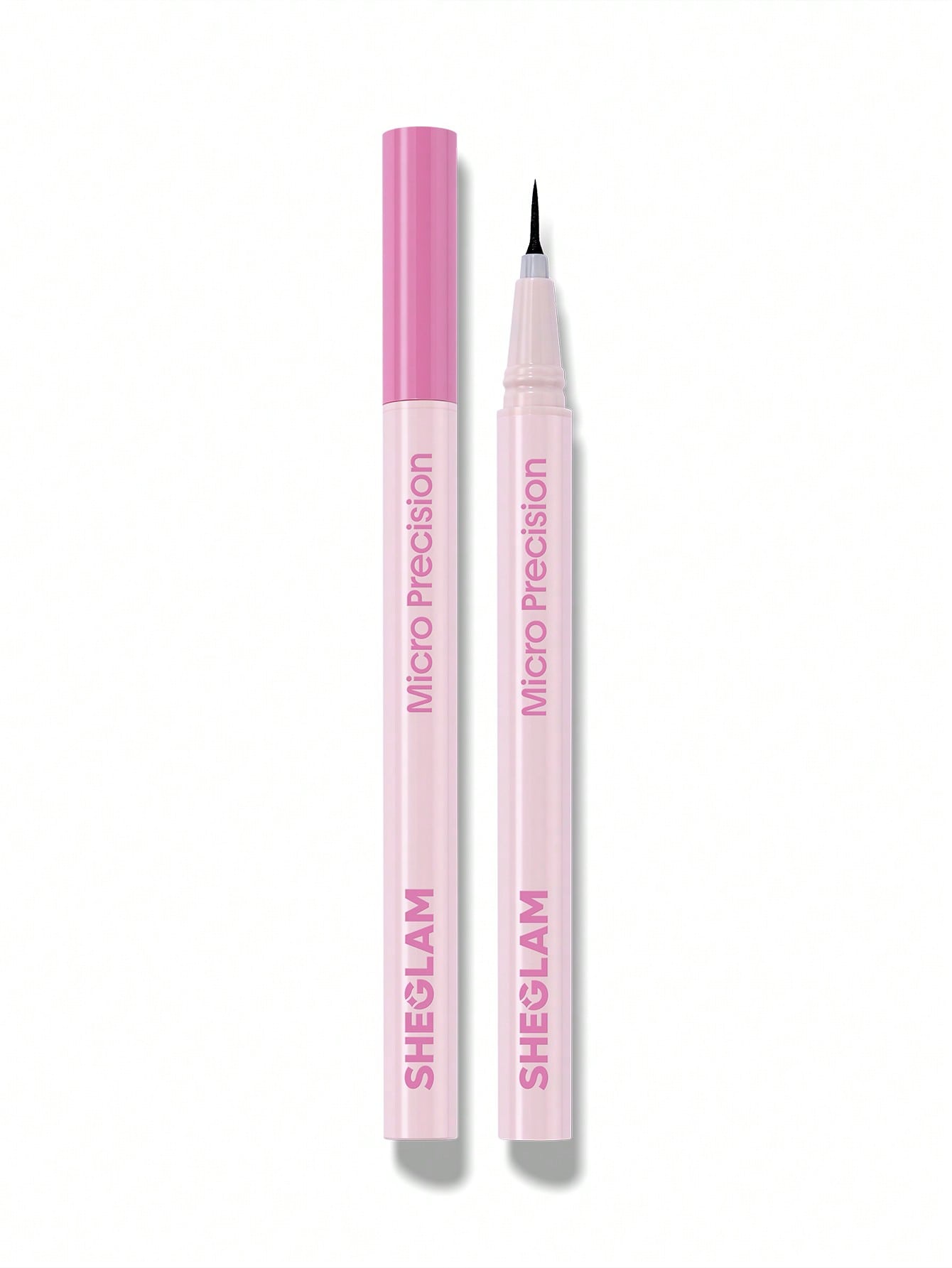
There is something quietly radical about a beauty edit that refuses to separate the drugstore from the haute counter, and this month's column makes that case with refreshing clarity. The assumption that luxury lives exclusively at a high price point is a narrative we have been fed for decades, yet the reality, as demonstrated by the range spanning SHEGLAM's precision liners to Lyma's laser technology, is far more nuanced. Quality, effectiveness, and that elusive wow factor do not respect arbitrary price brackets, and the sooner we internalise that, the more intentional our choices become. This is not about democratising beauty in a hollow, slogan-driven way; it is about recognising that true discernment lies in understanding what a product does for you, not what it costs. We have explored similar territory in The Quiet Art of Slowing Down Our Fashion Dialogue, where the focus on sustainable fashion similarly asks us to look past surface-level status signals. The same principle applies here: a £5 eyeliner that performs with precision is not a compromise, it is evidence of a well-honed eye.
What makes this particular curation compelling is not the range itself, but the confidence required to present it without apology. Too often, beauty coverage feels compelled to justify the inclusion of affordable finds with a defensive tone, as if admitting to a drugstore purchase diminishes one's authority. This column does the opposite. It states plainly that SHEGLAM's products measure up, then moves seamlessly to Noble Panacea's Nobel Prize, backed formulations without suggesting any contradiction. That ease is the mark of a true editor, someone who trusts her own experience over market narratives. The Chronobiology Sleep Mask from Noble Panacea, for instance, sits comfortably alongside a £3 lip mask because both serve a distinct purpose in a well-considered routine. This is the kind of editorial eye that understands luxury is a feeling, not a number, and that feeling can emerge from a squeeze tube just as powerfully as from a refillable glass vessel. It is the same sensibility we admired in From the court to the atelier, Angel Reese redefines her style with Gucci, where personal style transcends the label to become a genuine expression of identity.
The practical takeaway here is simple but worth stating directly: your beauty cabinet should reflect your standards, not your budget. The Paul Mitchell products chosen for this edit, particularly the 3-Day No Frizz Spray and the Tea Tree Special Shampoo, are not trendy newcomers; they are reliable staples that have earned their place through consistent performance, not marketing hype. Lyma's Laser Pro, meanwhile, represents a different kind of investment: one in technology and time, backed by A-list testimonials but ultimately validated by the science of skin renewal. The column does not ask you to choose between these worlds. It invites you to move through them with the same curiosity and self-assurance that defines any well-edited life. The question worth watching, then, is whether the industry will follow this lead or continue segmenting beauty into false hierarchies. For now, the most elegant response is to simply curate your own spectrum, and let the price tag fall where it may.