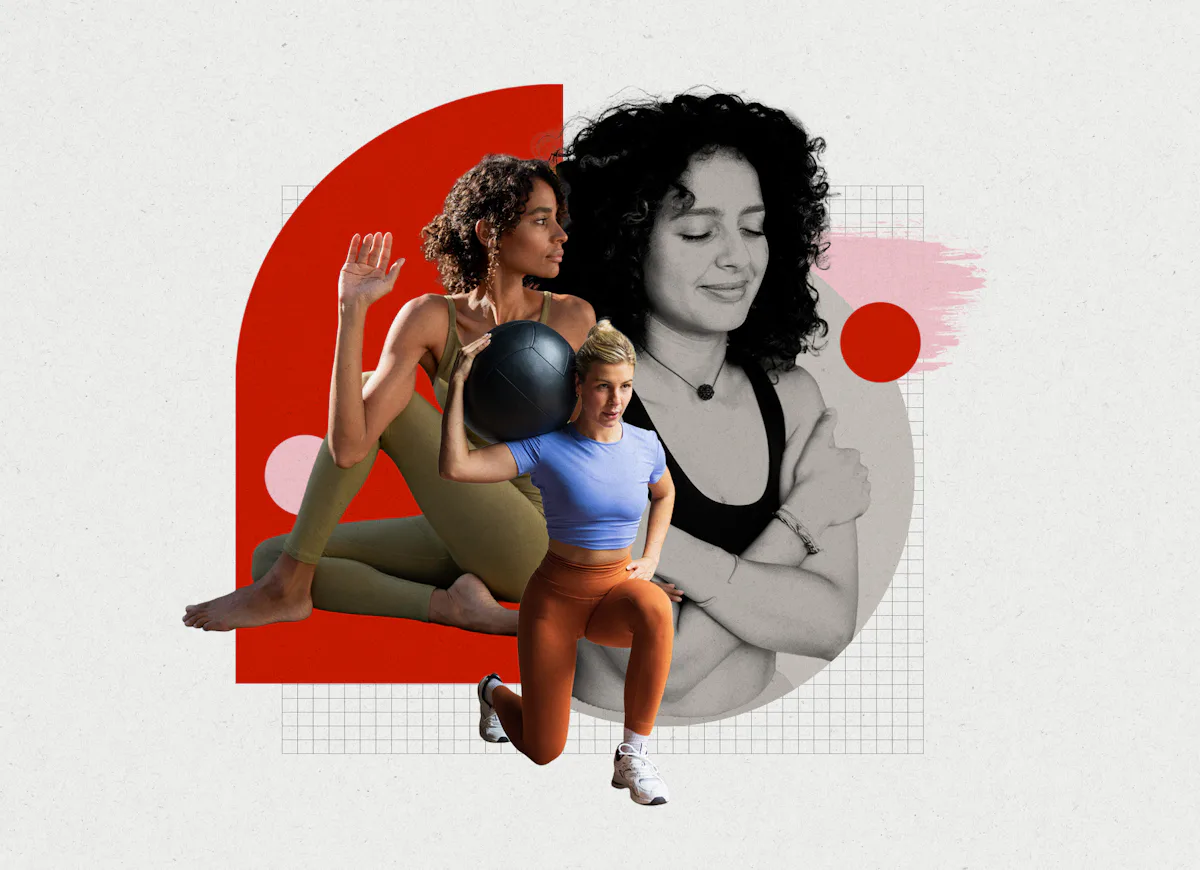
There is something quietly radical about moving your body not to shrink, not to perform, and not to follow a trend, but to meet yourself exactly where you are. The conversation around perimenopause has finally opened up, and with it comes a relief we did not know we needed: the permission to stop searching for a magic fix and start trusting the small, steady choices. We have long explored the idea of intention as a form of self-expression, whether through the rituals of The Quiet Ritual of Hair, Skin, and Scent or the deliberate framing of our lives in The Art of Stillness in Fashion's Digital Frame. Movement, it turns out, belongs in that same intimate space, a practice of presence, not punishment.
What the experts in this conversation make clear is that the noise around perimenopause fitness is the very thing standing between you and relief. The comparison loops, the trending protocols promising hormonal rebalancing, the pressure to do more and push harder, these are distractions dressed as solutions. Dr. Alyssa Olenick, an exercise physiologist, reminds us that our needs can shift week to week, even day to day. Estrogen and progesterone levels fluctuate unpredictably, especially in the final years before menopause. That intensity-driven workout that worked last month might be exhausting you now, compromising your sleep and leaving you with joint pain. The quiet strength here is in listening rather than following. A brisk thirty-minute walk a few times a week is not a compromise; it is a data-backed choice for improving mood, anxiety, sleep, and cardiovascular health. Strength training, too, requires a slow build, one to two days a week for a beginner, building up gradually. This is not about doing less. It is about doing what is sustainable for your body today.
The most overlooked piece is the support system. Both Dr. Olenick and trainer Lacey Stone emphasize that isolation only deepens the shame many women carry when their bodies feel unfamiliar. Asking for help, from a doctor, a trainer, a friend, a class that sparks genuine joy, is not weakness. It is the opposite: it is the confidence to admit that this phase of life is not meant to be navigated alone. There is a particular grace in building a community that does not judge your pace. We saw this same quiet dignity in James Middleton Mourns a Private Family Goodbye, where grief was held privately but not in isolation. Perimenopause, in its own way, asks for a similar balance: the humility to seek support and the sovereignty to honour your own rhythm.
The specific takeaway here is simple and actionable: start with the walk. Three times a week, thirty minutes, at a pace that does not leave you breathless. If strength training feels new, begin with one session per week. Let go of the idea that your routine must look like anyone else's. The point is not to conquer perimenopause but to move through it with enough presence to notice what your body actually needs, and the quiet confidence to give it exactly that.