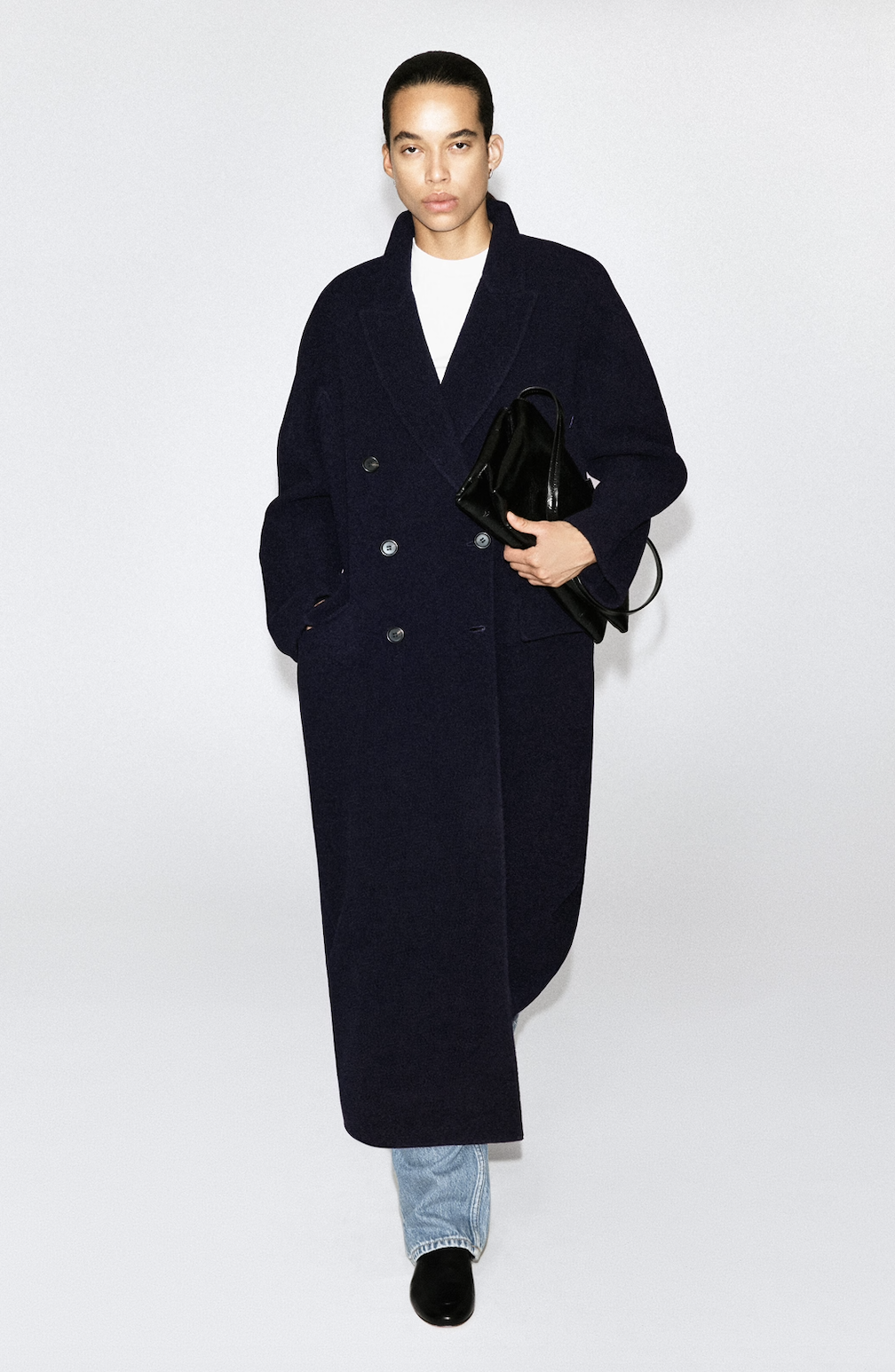
There is something quietly radical about choosing pure wool over polyester, and it has nothing to do with fashion trends. This guide to 100% wool coats, from Max Mara's investment pieces to Toteme's understated hoodie coat, is not merely a shopping list, it is a declaration of standards. We have watched the industry blur lines with "wool-blend" labels that are often mostly synthetic, and we are tired of it. The vocabulary lesson on boiled, double-faced, and merino wool is exactly the kind of grounded knowledge that The Stylist's New Role Curating Wardrobes That Last champions: understanding construction is the first step toward buying pieces that endure.
What strikes us most is the quiet confidence in this curation. There is no apology for including a coat from Max Mara that costs what a small piece of furniture might, nor is there any shame in flagging the Abercrombie option with its polyester lining for the purist to avoid. This is the voice of someone who has read the fine print, who knows that a coat's warmth and longevity are not marketing claims but material realities. In an era when The quiet unraveling of sustainability inside Delhi's ateliers reveals how often sustainability promises break down at the manufacturing level, choosing a fiber as honest as pure wool feels like an act of resistance. It asks nothing of the planet that it cannot give back, and it asks nothing of you except the willingness to invest in something real.
For our readers, the practical takeaway is this: the difference between a coat that lasts three winters and one that lasts thirty is not the label on the collar, it is the fiber content. The Eileen Fisher coat made from regenerative wool goes further, linking your purchase to grassland restoration in Argentina, a detail that transforms a wardrobe decision into a quiet ecological act. The H&M funnel-neck coat, at a fraction of the price, offers accessible entry without compromising on the material itself. What binds them all is a refusal to settle for the easy warmth of polyester, which traps moisture and sheds microplastics with every wash.
The most telling detail here is the Madewell plaid coat, which is only 60% wool. The guide includes it anyway, with a clear warning. That honesty, naming what is not quite right alongside what is, is the kind of transparency we need more of. The question we are left with is not whether you can afford a Max Mara coat, but whether you are ready to stop being fooled by the ones that pretend to be something they are not. That is a standard worth wrapping yourself in.