The Rise of the High-Stakes Honeymoon
Our take
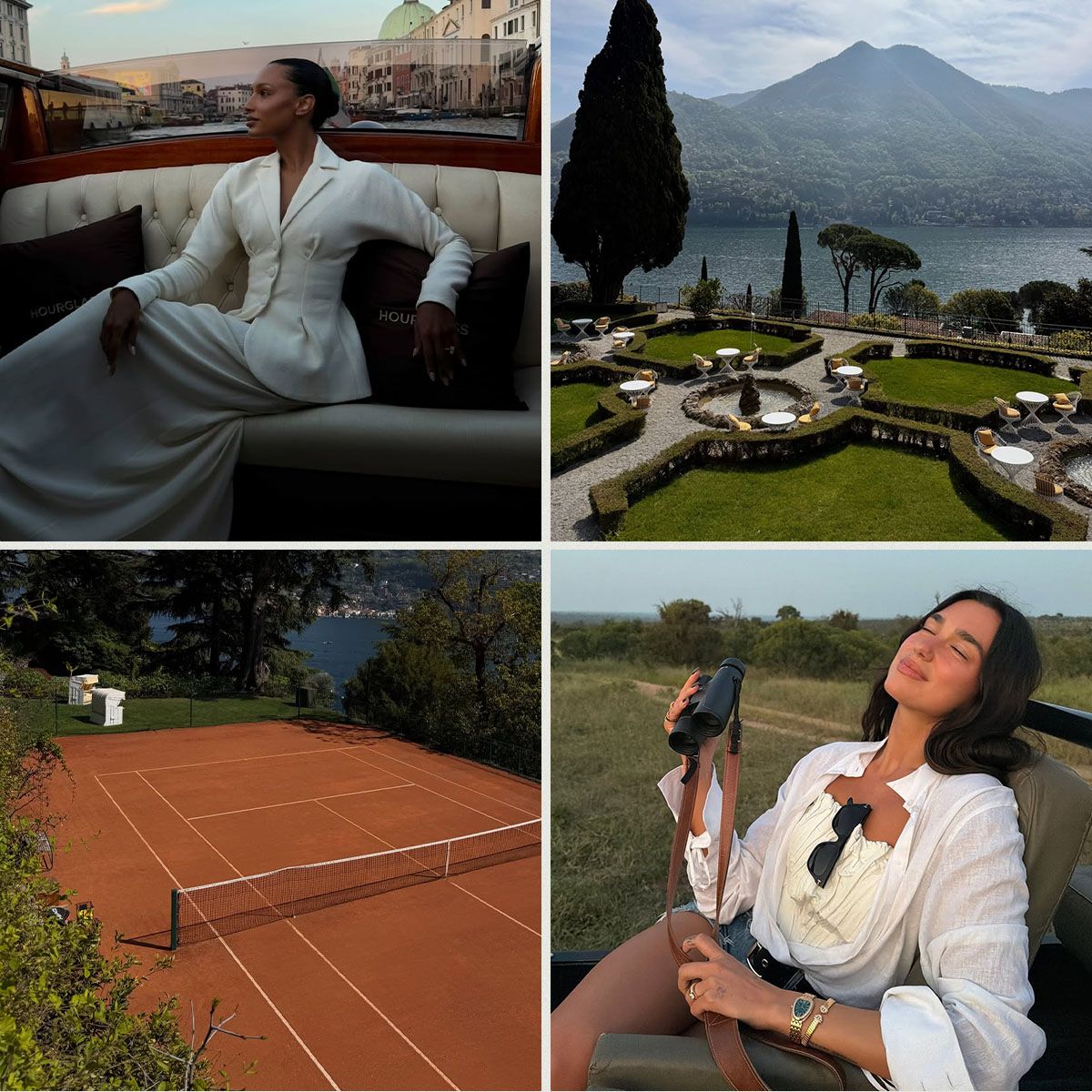
The shift in post-wedding travel from predictable beach resorts to meticulously planned, high-stakes honeymoons speaks volumes about the evolving landscape of luxury and self-expression. It's no longer enough to simply relax after the whirlwind of a wedding; the honeymoon has become a carefully curated performance, a visual declaration of taste and shared values. This mirrors a broader cultural trend towards experiential luxury—a desire for meaningful moments and unique narratives over mere material possessions. Consider the recent excitement surrounding the Calling All Maximalists: The Target x Rosie Assoulin Collaboration Is Packed With Summer Outfit Inspiration, which highlights the ongoing appeal of visually striking, expressive style, a sensibility that now extends to travel planning. The rise of the "Instagrammable" destination, for instance, isn't solely about beautiful scenery; it’s about the opportunity to craft a compelling personal narrative, a tangible representation of a life well-lived. And it’s not just about aesthetics; the emphasis on five-star stays and elaborate itineraries suggests a desire for unparalleled service and seamless experiences – a reflection of the increasingly demanding expectations of a discerning clientele who appreciate (and expect) a certain level of refinement. The pursuit of that perfect, shareable moment has undeniably influenced the trajectory of honeymoon planning.
This elevation of the honeymoon isn’t occurring in a vacuum. It’s intertwined with broader societal shifts concerning marriage, relationships, and the very definition of "celebration." The wedding itself has evolved from a family-driven tradition to a more personalized expression of the couple’s identity, and the honeymoon naturally follows suit. Furthermore, the increased financial independence of younger generations allows for greater investment in experiences. The prioritization of quality over quantity, a defining characteristic of modern luxury, is clearly at play. It's a conscious choice to allocate significant resources to a single, unforgettable journey – a tangible investment in creating lasting memories. This echoes the increasing awareness of self-care and intentionality that permeates contemporary culture; the honeymoon is, in essence, an extended period of self-connection and shared intimacy, elevated by luxurious surroundings. The desire for deep rest and genuine connection, amplified by the stress of modern life, fuels this demand for curated, restorative travel—a need that is beautifully amplified by the simple luxury of a silk pillowcase, as demonstrated in This $45 Quince Silk Pillowcase Is My Hidden Beauty Secret.
The implications for the travel industry are significant. We’re seeing a move beyond traditional all-inclusive resorts towards bespoke travel planning services, personalized itineraries, and a focus on unique, off-the-beaten-path destinations. Travel agents specializing in luxury experiences are experiencing a resurgence, as couples seek expert guidance to navigate the increasingly complex world of high-end travel. The emphasis on “quiet luxury” – the subtle expression of wealth and taste – permeates these choices. Flashy displays are eschewed in favor of understated elegance and authentic experiences. It's not about showcasing opulence; it’s about cultivating a sense of exclusivity and discerning taste. The focus is shifting from simply *going* somewhere to *being* somewhere, fully immersed in a culture or landscape, and experiencing it with a level of comfort and sophistication that reflects a deep appreciation for quality and detail. Even something as simple as choosing the right footwear to complement the journey becomes paramount, as evidenced by the trend-focused approach detailed in 5 Summer Sandal Trends To Shop Before The Season Ends.
Ultimately, the rise of the high-stakes honeymoon is a fascinating microcosm of broader cultural shifts. It represents a move away from predictable routines and towards a pursuit of meaningful experiences, a desire to curate a life that reflects personal values and aspirations. As couples continue to prioritize authenticity and intentionality, how will this trend evolve beyond the honeymoon phase, influencing other areas of travel and leisure? Will the pressure to create a “perfect” travel narrative become a burden, or will it inspire deeper exploration and more genuine connection? The answer likely lies in finding a balance between curated experiences and spontaneous discovery, embracing the journey itself rather than solely focusing on the final destination—and the accompanying photograph.
There was a time, not even a generation ago, when the post-wedding getaway had a predictable formula: check into a beach resort (usually Caribbean, usually all-inclusive), order a couple of frozen cocktails to your lounger, and spend a week doing absolutely nothing. That kind of trip will never truly lose its appeal, but it’s simply no longer the default. Instead, today's newlyweds are treating their honeymoon as its own main event, one that, more often than not, requires the same level of scrutiny, research, and financial investment as the ceremony itself.
In 2026, we've entered the era of the high-stakes honeymoon: an elaborate, increasingly ambitious, and highly-customized journey where traveling purely to unwind is more of an afterthought than the primary directive. It’s no longer just a vacation. Instead, the honeymoon has evolved into a singularly defining statement of taste and lifestyle, and it's part of a broader evolution of how we view and consume luxury.
Post-wedding travel has transformed into one of the most visible markers of status for a new couple, who are more likely to spring for the five-star design-driven hotel, remote wilderness trek and chartered transfers than they are for the standard air-and-hotel package. Backed by months of research (and hours scrolling social-media feeds), couples are no longer looking for a trip they could easily take at any other point in their lives; they want a once-in-a-lifetime, borderline cinematic journey tailored specifically to them. And the numbers back it up. The level of detail and depth of budgets you'd expect for celebrities or the ultra-wealthy—think multicountry itineraries, private-island resorts, and $15,000-a-night suites—are the new baseline for couples. If you spent the last year planning a wedding down to the napkin fold, why stop optimizing once the vows are said?
We spoke with the luxury travel advisors who plan honeymoons for a living to understand exactly how this once-private trip has become one of the most biggest status symbols of the modern age.
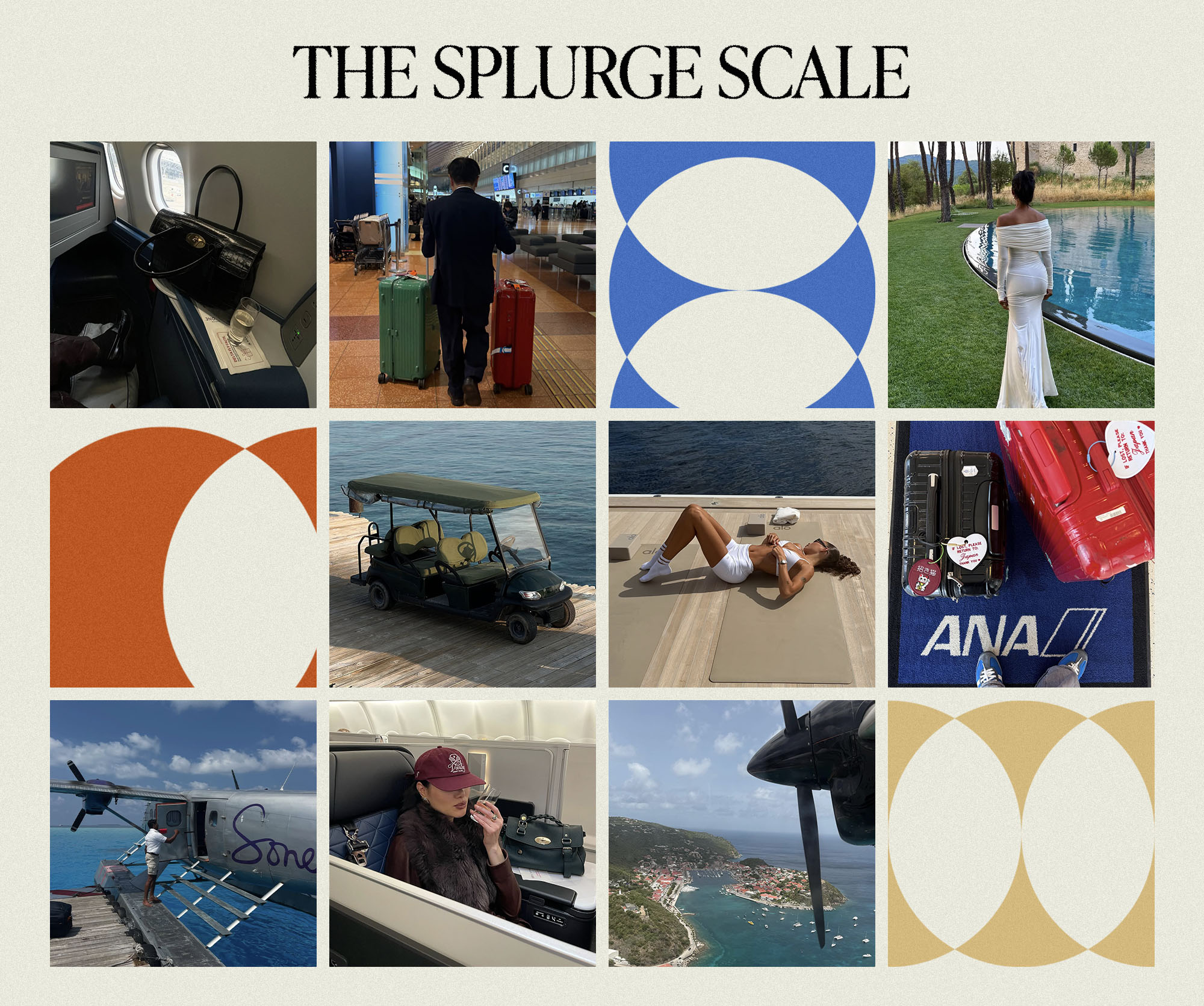
Ask any seasoned honeymoon travel planner what couples are spending this year, and the figures alone tell the story. Nicole Wallach, vice president of leisure travel at Magma Global, says the average luxury honeymoon she plans now falls between $30,000 and $45,000 for two people (before international flights), while more elaborate itineraries regularly climb into the $50,000 to $100,000 range. Those figures often include private guides, yacht charters, bespoke excursions, luxury transfers, and stays at some of the world's most coveted resorts, with some clients even inquiring about experiences like Aman at Sea or the Four Seasons Private Jet Experience.
Rabia Malik, a Fora advisor, is seeing similar momentum across a broader range of budgets. Most of her honeymoon clients spend between $16,000 and $60,000 before airfare, with luxury safaris paired with private island stays easily pushing beyond that. Both advisors estimate honeymoon spending has risen by roughly 30% in just the past few years. It's not only because travel has become more expensive, but also because couples are intentionally traveling longer, choosing higher-end stays, and treating their honeymoon as one of the defining luxury purchases of their newly married lives, rather than just another vacation.
So what's changed? Both Malik and Wallach point to the same inflection point: the pandemic, and the broader cultural pivot toward experiences over things. "After the pandemic, people began placing much more value on experiences over material purchases, and lucky for us travel agents, honeymoons naturally became part of that trend," Wallach says. Malik agrees, noting that travel has become "more intentional and experience-driven as a whole" in the years since.
Then, of course, there's the role that social media has played. Couples are exposed to remote safari camps, overwater villas, and viral hotel suites in the course of a normal scroll, which, consciously or not, expands their horizons beyond what their parents or family members may have done for theirs. "It's made couples more informed than ever before," Wallach explains, adding that many clients now arrive with a fully researched wish list rather than a blank slate. There's also an emotional through line: after months (sometimes years) of meticulous wedding planning, couples want their honeymoon to carry the same weight. As Malik puts it, they're determined to make it just as special as the wedding day itself.
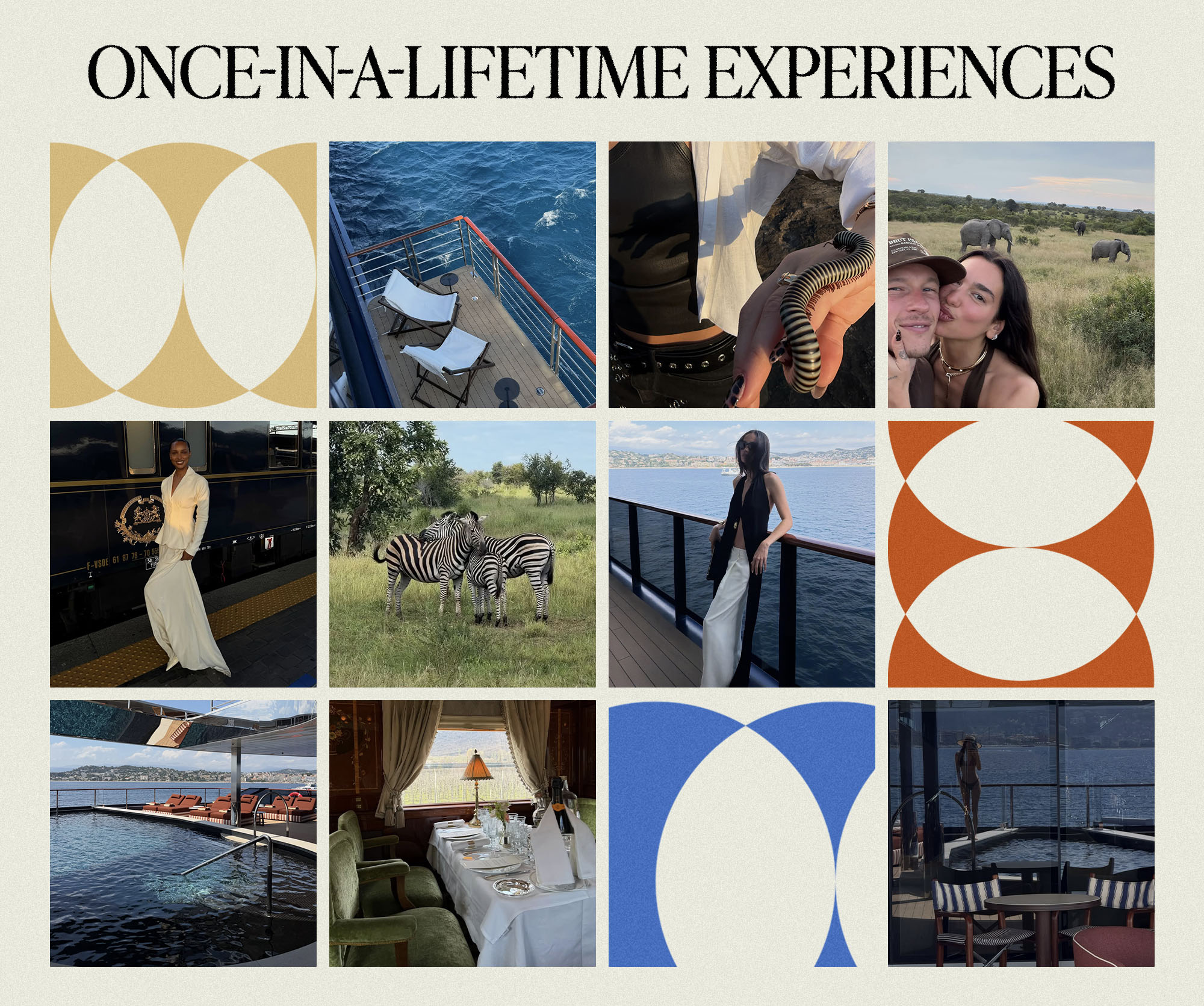
The pandemic fundamentally changed the way many people prioritize travel, and honeymoons have become one of the clearest examples of that shift. Rather than collecting designer purchases or investing in traditional status symbols, many couples are channeling those resources into experiences they'll remember for decades. Advisors say clients increasingly describe their honeymoon as the biggest trip they'll ever take together, making it feel worthy of months of planning.
Both Wallach and Malik point out that platforms like Instagram and TikTok have expanded travelers' horizons more than they've fueled simple comparison. Couples now arrive with saved hotels, dream itineraries, and destinations they may never have discovered otherwise, from remote safari camps to overwater villas and cultural retreats. The challenge for advisors often isn't convincing clients to dream bigger, it's helping them understand that the villa they've bookmarked might cost upwards of $10,000 a night while finding ways to recreate that same sense of exclusivity within their budget.
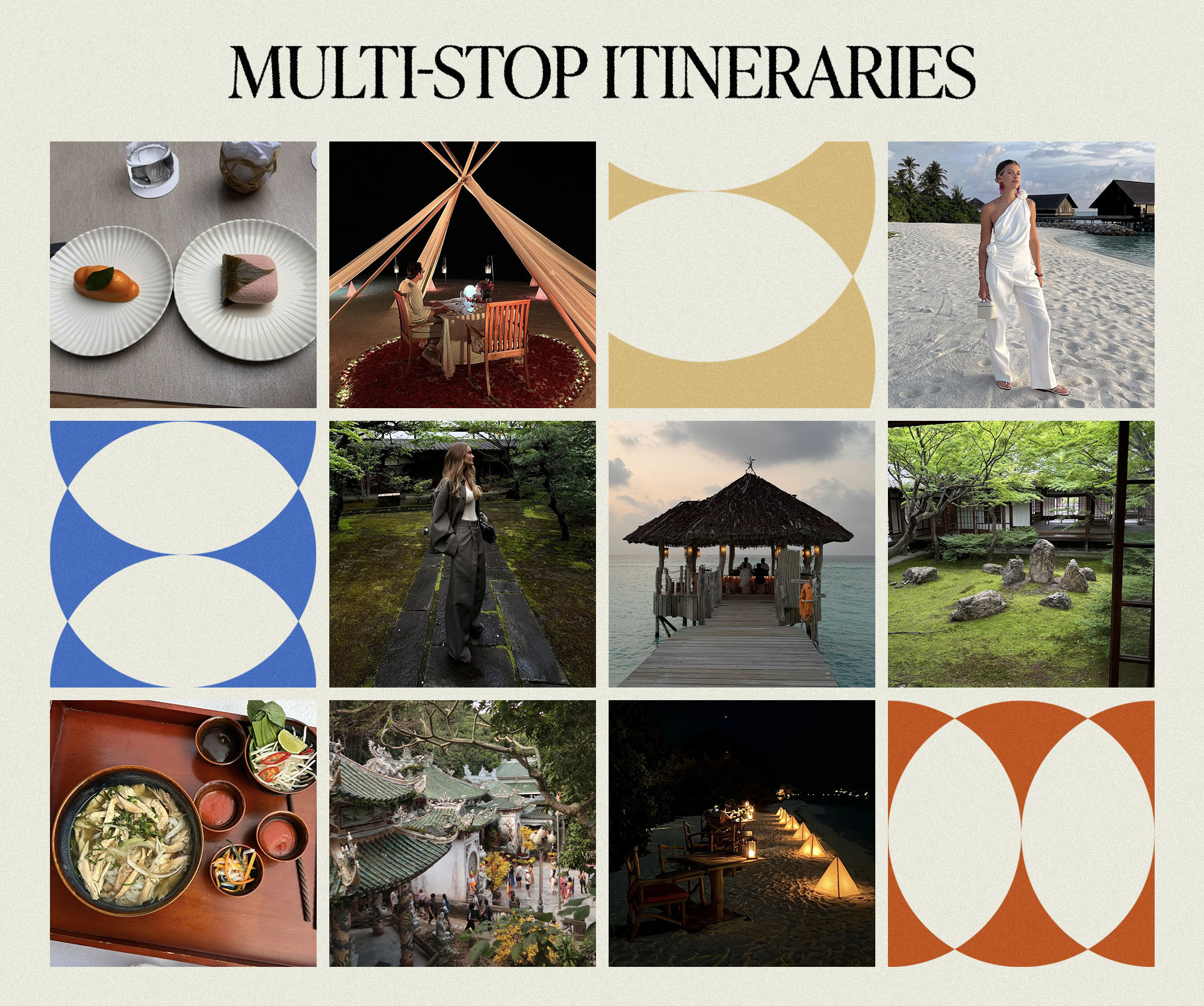
Both advisors report a decisive shift toward multi-stop, multicountry itineraries that string together completely different experiences. The formula usually looks like beginning with a city for food and culture followed by a remote beach or safari for total decompression. Japan and Southeast Asia are having a major moment; Wallach says requests for the region have been "off the charts," and Malik notes she now has multiple clients departing for Japan nearly every month thanks to a favorable exchange rate and the country's range, from dense cities to quiet cultural retreats.
That's not to say that the classics like Italy or Greece have disappeared, but itineraries have gotten longer and more ambitious. Instead of a week on the Amalfi Coast, couples are booking three-week loops through Tuscany, Sardinia, Lake Como, and Sicily, something that Dua Lipa and Callum Turner's post-wedding road trip throughout Italy exemplified. Safari-and-beach combinations remain a favorite for a reason. Wallach cites South Africa paired with the Seychelles as one of her go-to pairings, and Malik sends couples to Kenya or South Africa followed by Zanzibar, the Seychelles, or Mozambique. For the more adventurous, both advisors are fielding growing interest in farther-flung, less-trodden destinations including French Polynesia, New Zealand, Bhutan, Sri Lanka, and Patagonia.
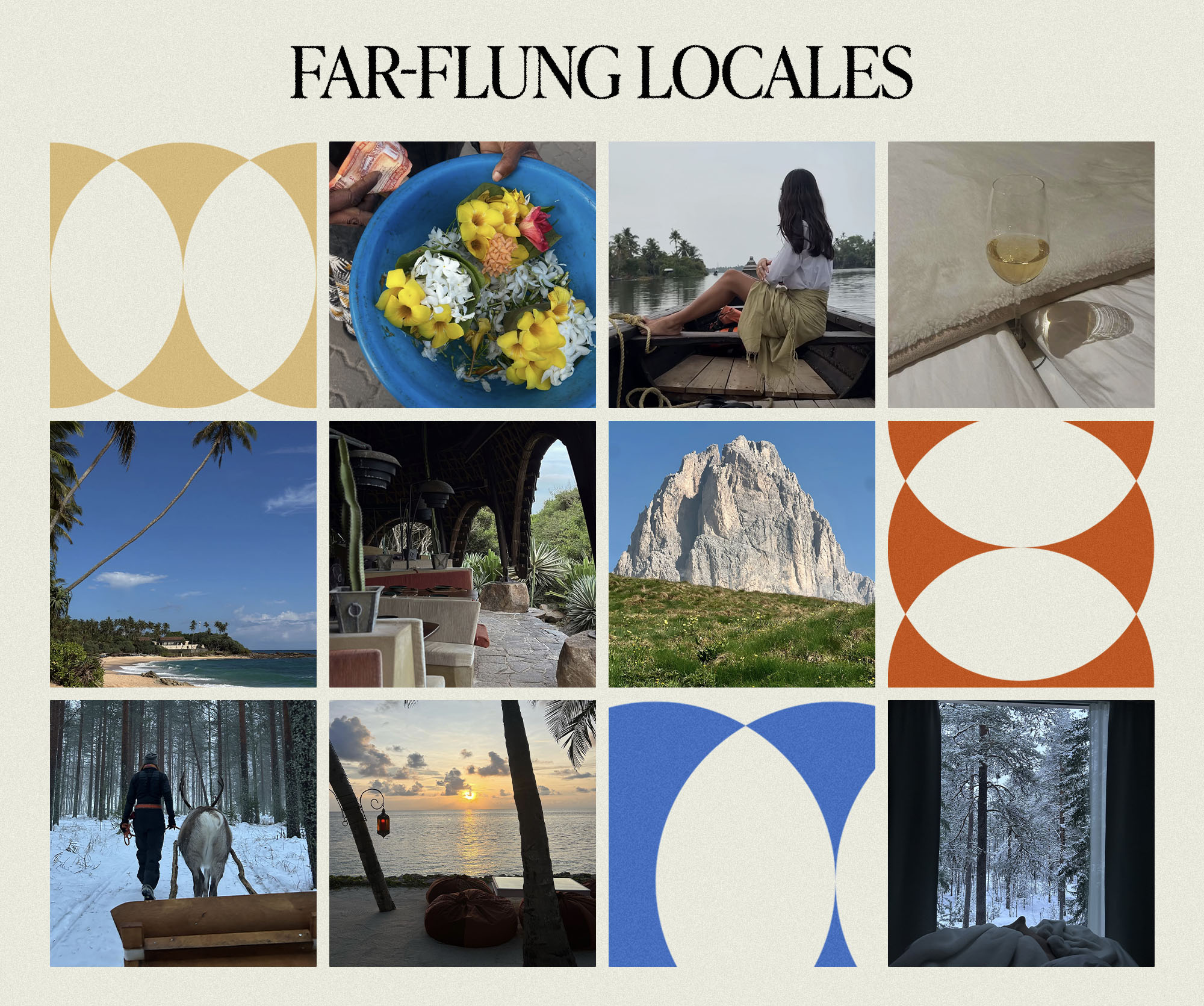
When it comes to honeymoon destinations, the farther and more remote, the better. According to both experts, Japan is the absolute star of the year. Malik notes that couples visit Japan to experience everything from bustling Tokyo to remote ryokans. Southeast Asia, East Africa, New Zealand, and Australia are also seeing massive waves of interest. What unites all of these destinations is a craving for unmatched exclusivity and deep cultural immersion. "Couples want destinations and hotels that feel truly unique and memorable," Wallach says. Today's travelers want to balance absolute relaxation with high-adrenaline, unforgettable stories, from helicoptering over Victoria Falls to white-water rafting in New Zealand and glamping in Ubud. Ultimately, the modern honeymoon is less about checking into a hotel and more about curating a private collection of memories that will be talked about for decades to follow.
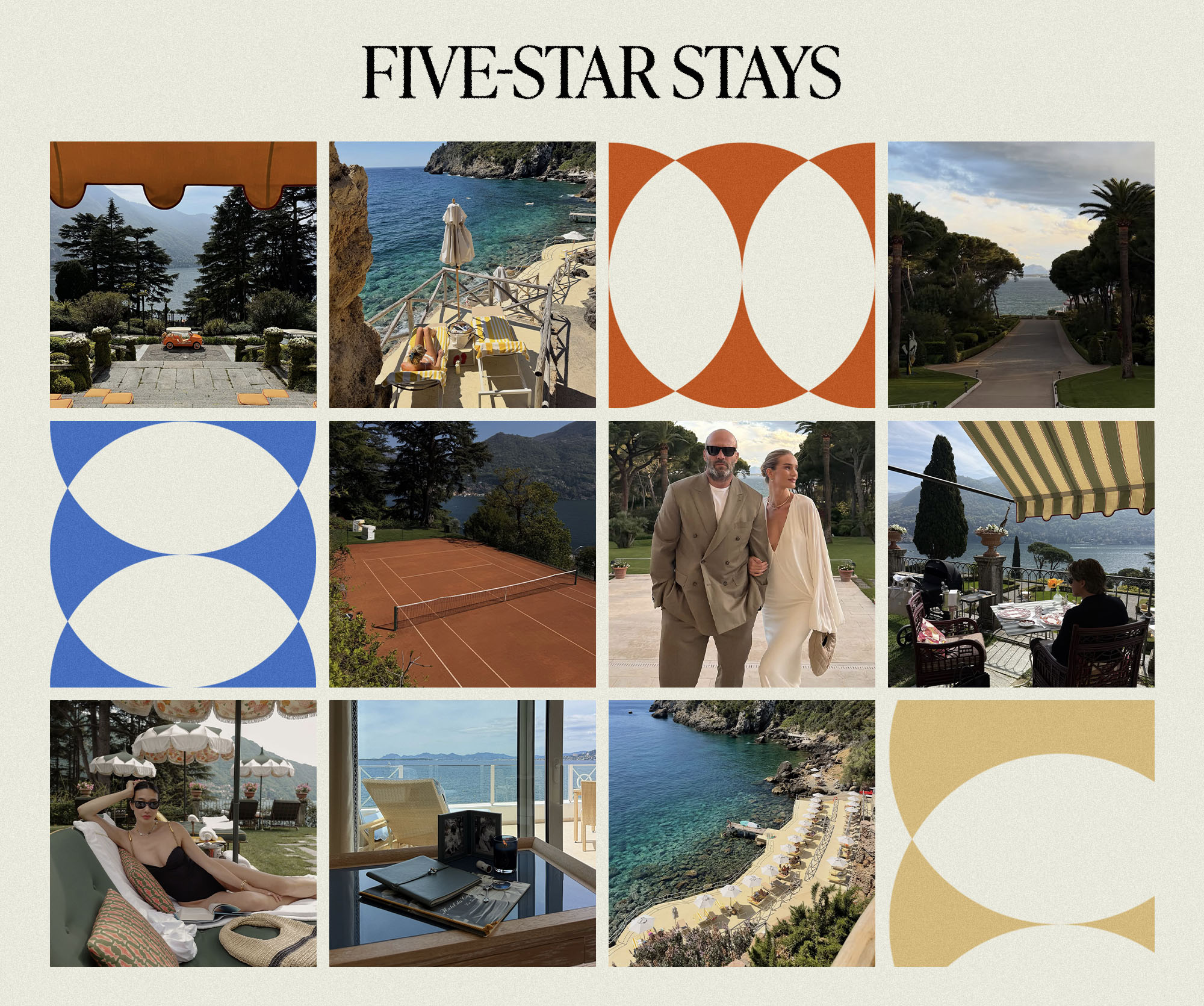
If there's one word that defines what today's honeymooners want, it's exclusivity. Wallach's clients are requesting properties defined by their inaccessibility as much as their beauty: an overwater villa at Four Seasons Bora Bora, a private-plane-only island resort like Amanpulo, a tented camp in Chiang Rai, and Singita Boulders Lodge in South Africa. The goal isn't always a famous hotel; it's a hotel that feels like it belongs only to them. Malik sees the same instinct, with couples looking toward experiences that stand apart from their everyday travel.
Pop culture plays a quiet but real role in shaping those wish lists. Both advisors note that hotels featured in shows like The White Lotus and spotted on a celebrity's feed frequently land on client mood boards, sourced from Instagram and TikTok saves as much as traditional research. But neither planner describes this as chasing clout for its own sake. As Wallach puts it, "most clients are prioritizing the overall experience rather than simply staying somewhere famous." The real challenge, both agree, is translating a dreamy screenshot into a realistic budget since a villa that looks perfect online can easily run $8000 to $15,000 a night before taxes and fees. The honeymoon, in other words, hasn't just gotten more expensive. It's become a fully considered creative project, and couples are willing to spend accordingly to get it exactly right.
Read on the original site
Open the publisher's page for the full experience