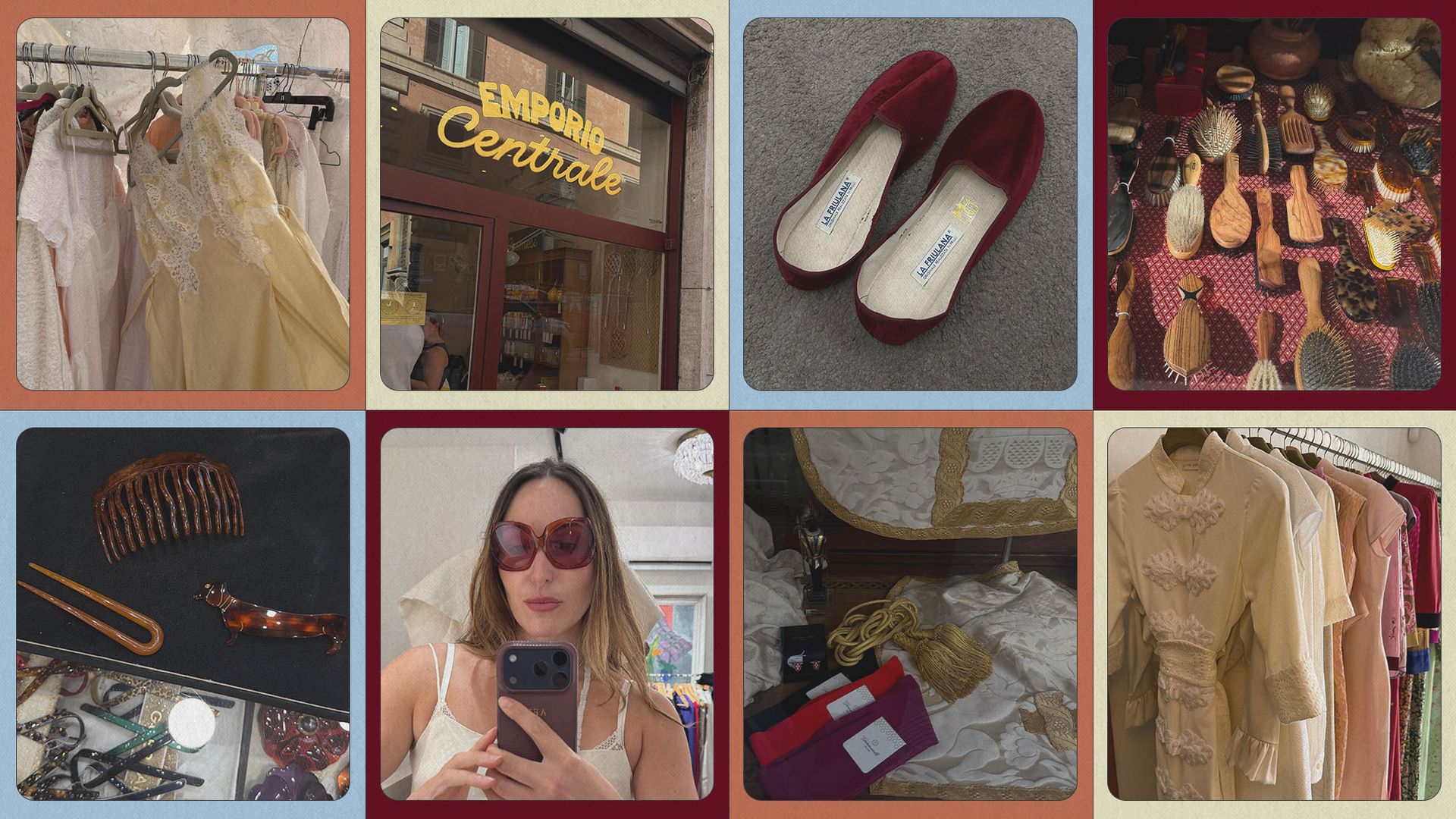
There is a particular kind of shopping that has nothing to do with acquisition and everything to do with attention. The Roman Edit, a carefully curated map of twelve vintage and tailoring finds, proves that the best souvenir is not a logo but a story, one you can wear, touch, or gift. This is not a guide to conspicuous consumption; it is an invitation to slow down and look closer, a practice that feels increasingly radical in a world that rewards speed. We have long admired the quiet authority of those who build a wardrobe rather than buy one, which is why Kristina Blahnik's reflections on weaving legacy into the future resonate so deeply here. The same intentionality that guides a family-run atelier in Rome is the same ethos that shapes a lasting personal style.
What makes this edit so compelling is not the novelty of the finds but the restraint of the curation. Chiara did not simply list addresses; she chose spots that reward the shopper willing to venture away from Via Condotti, past the familiar flags of Valentino and Fendi, and into the side streets where craftsmanship is still a family affair. At Gammarelli, the tailor to popes since 1798, the real treasure is a pair of cashmere socks in a saturated color, an object so simple it feels almost unassuming, yet it carries centuries of Roman tailoring. At Schostal, a four-generation pajama label with a cult following, the pieces are timeless and made to last, selling out quickly because they were never made in excess. This is luxury that whispers. It aligns perfectly with the philosophy behind replacing foundation with one silky complexion perfector: the idea that the best things do not demand attention but command it through quality and restraint.
The practical takeaway here is direct and actionable. When you travel, resist the urge to treat shopping as a checklist. Instead, let the city reveal itself through its artisans. Visit Atelier Bomba for knitwear made in small batches from natural fabrics, or Le Tre Sarte for tailoring that reveals its beauty only up close. Stop into L'Archivio di Monserrato, a boutique that feels like shopping in someone's well-traveled home, or Cavalli e Nastri for an archival piece that will outlive any trend. And if you are in Rome on a Sunday, bring cash to the Borghetto Flaminio Market near Piazza del Popolo, not for the thrill of the hunt, but for the quiet satisfaction of finding something that no one else has. The question worth sitting with is this: what would it look like to apply that same deliberate eye to your everyday life, not just your suitcase?