There is a particular kind of luxury that does not need to announce itself. It settles into the memory like a scent you cannot quite name, lingering long after the moment has passed. The recent 48-hour journey to Rome with Max Mara, in celebration of Le Parfum, was exactly that, an exercise in quiet intention, where every detail from the hotel to the gala felt less like a launch event and more like a meditation on personal style. For our readers who understand that true refinement is felt rather than displayed, this trip offered a masterclass in how a brand can speak without raising its voice. It is the same sensibility we explored in The trench, the flats, the sweater: quiet chic defined and Burgundy made effortless: soft lips and flushed cheeks for fall, the idea that the most memorable statements are often the softest.
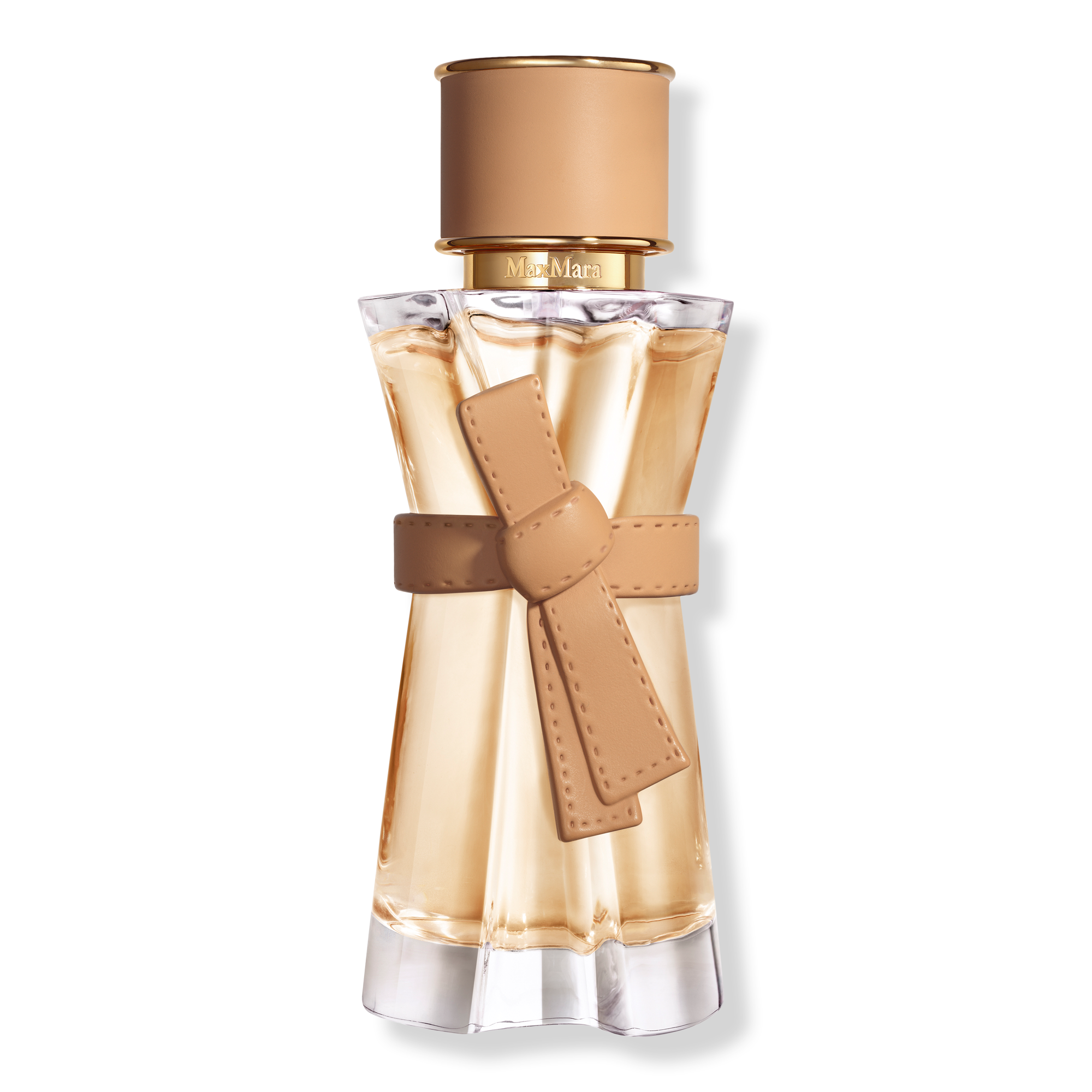
What stayed with us was not the spectacle of the gala at the Salone delle Fontane, though the 21,000-square-foot space was undeniably grand. It was the restraint. The fragrance itself was inspired by the iconic 101801 coat, a piece defined by its clean lines and cashmere warmth. The bottle mirrors that same discipline: a lacquered belt, a gold button cap, nothing superfluous. The perfumers Fabrice Pellegrin and Marie Salamagne composed notes of musky sandalwood, cedarwood, tuberose, benzoin, and blue vanilla, but the result is not a floral explosion. It is described as smelling like cashmere, a texture translated into scent. Florence Pugh, the face of the campaign, called it her "invisible DNA," a finishing piece that builds a character or a mood without explanation. That is the kind of self-assurance we admire: the confidence to let one element carry the entire story.
The trip was structured around discovery rather than selling. Editors were invited to touch, smell, and explore interactive stations that unpacked the fragrance's architecture. There was no hard pitch, no urgency. Just an atmosphere of calm authority, much like the Six Senses Rome property itself, which offered a rooftop garden and a sigh of relief the moment you stepped into its sun-drenched lobby. The takeaway here is practical: when you align a product with a feeling rather than a feature, you invite your audience into a world instead of asking them to buy one. Max Mara did not need to shout about the scent's longevity or sillage. They let editors wander through the Pantheon, eat gelato, and sit down with Pugh, who revealed she assigns a different fragrance to each role she plays. The scent becomes part of the identity, not an accessory to it.
The consequence for our readers is a clearer lens through which to evaluate their own wardrobe and fragrance choices. If a perfume can be described as "invisible DNA," then the items we choose to wear every day should function the same way: they should feel like extensions of who we are, not costumes we put on. Max Mara's Le Parfum is not a scent for attention, it is a scent for presence. The question it leaves us with is not whether to buy it, but whether we are ready to let our style speak in that quiet, assured tone. As Pugh said in the campaign video, "When you're ready, you'll know." The real luxury is having the patience to wait for that knowing.