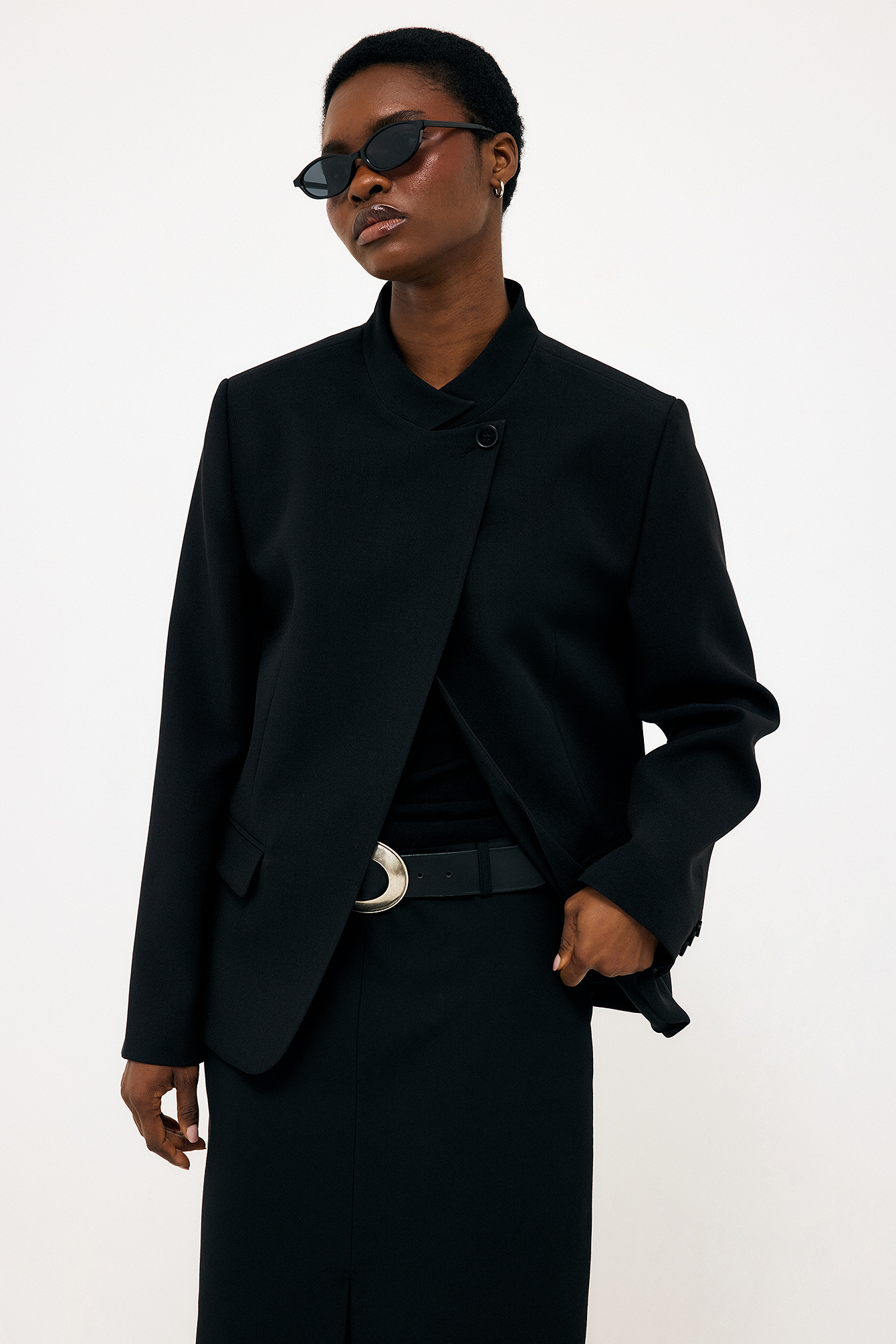
There is something quietly radical about a fashion house that refuses to shout, and The Row has built its empire on that very restraint. The Olsen twins have never needed a logo to announce their presence, and that confidence, the kind that trusts a perfectly cut coat or a fluid pair of trousers to do all the talking, feels increasingly rare in a world that rewards noise. We have always believed that true luxury is felt rather than declared, and The Row's approach is a masterclass in that philosophy. It aligns with what we explored in The Price of Luxury Is More Than a Receipt: that the real cost of elegance is not financial but intentional. The Row asks you to slow down, to consider proportion and texture over trend, and to find power in what you choose to leave out.
What makes these codes so compelling is how transferable they are. You do not need a waiting-list bag to channel the brand's energy; you need a willingness to edit. The article distills six lessons, but the thread running through them is a quiet recalibration of how we see dressing. Tailoring with a twist, a collarless blazer, a barrel trouser, invites us to move beyond the uniform and into something more personal. A tonal palette of cream, black, and chocolate brown, punctuated by a single pop of tomato red, teaches us that colour can be deliberate without being loud. And the insistence on comfort, from loafers that move with you to trenches that wrap rather than restrict, reminds us that ease is not a compromise; it is the point. These are not seasonal rules but enduring principles, and they feel especially relevant as we shape our own The Quiet Edit: Minimalist Fall Pieces Shaping My Season.
Perhaps the most understated lesson is the one about bags that blend in. The Row's Margaux, Marlo, and Idaho carry the same undetectable luxury that only a trained eye would recognise, and that is precisely the point. In a market that has cycled through logo-mania and micro-bags, the return to a practical, unmarked tote feels like a return to self. It is a quiet rejection of the need to signal status through hardware, and a quiet embrace of dressing for your own gaze first. This is the same energy we see in Dakota Johnson Settles Into Her Era of Quiet Dadcore Style, where comfort and character take precedence over polish for its own sake.
The concrete takeaway is this: invest in the details that only you will notice. The roll of a sleeve to show a shirt cuff. The weight of a knit that holds its shape. The decision to pair a plain grey tank with a floral embroidered belt. These are not styling tricks; they are acts of self-awareness. The Row proves that expensive dressing is not about the price tag but about the presence you bring to each piece. The question worth sitting with is not how to replicate the look, but how to cultivate the same quiet certainty in your own wardrobe.