The "Solo Daters" of the US Open
Our take
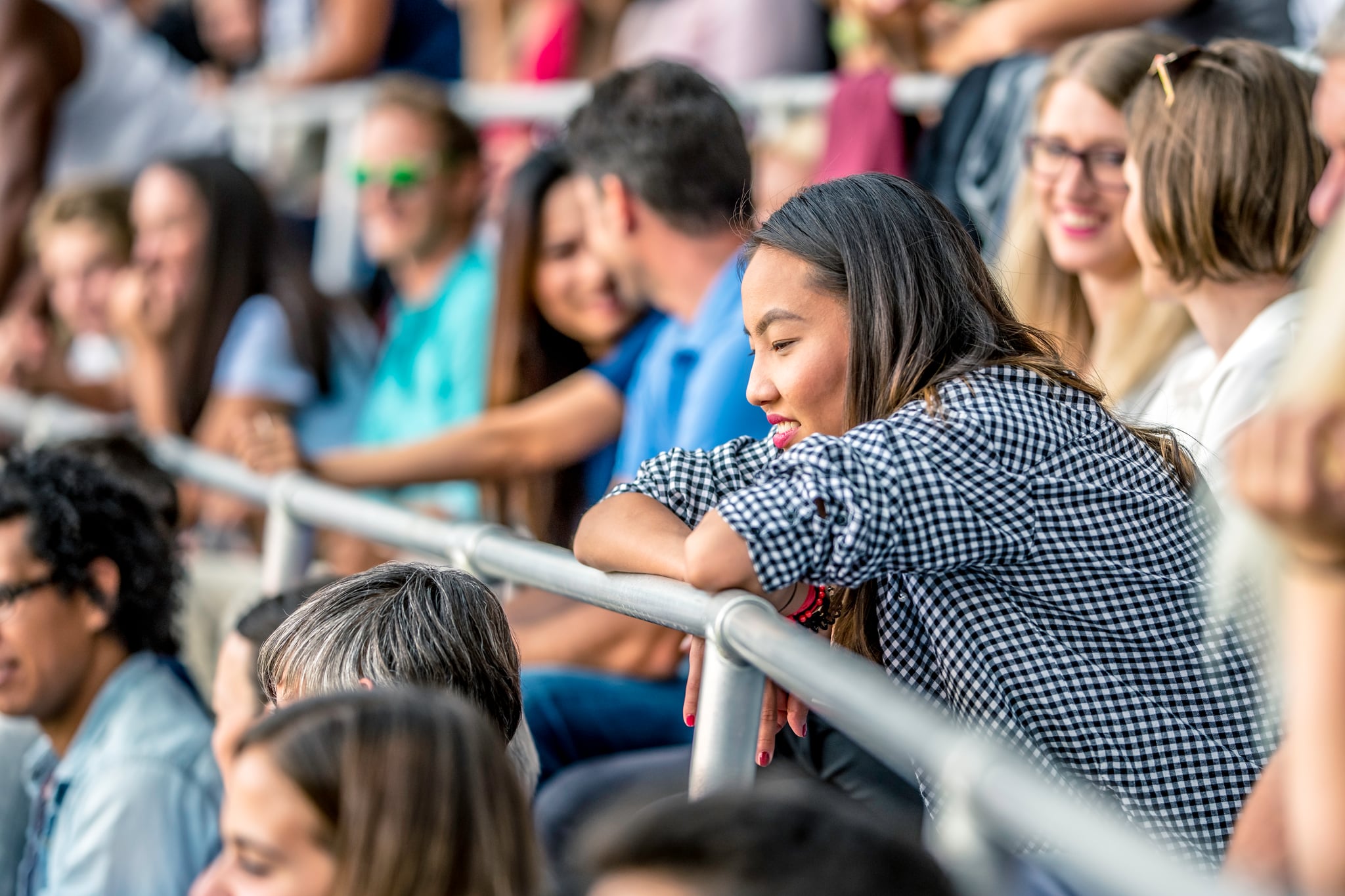
The recent surge in solo attendees at the US Open, dubbed the "solo daters," speaks to a fascinating shift in how we experience shared cultural events. Traditionally, sporting events, concerts, and even art exhibits have been framed as inherently social activities, amplified by the communal energy and shared excitement. The article rightly points out the inherent joy in having someone to celebrate a buzzer-beater with or to share a stadium snack. However, this emerging trend suggests a growing desire for individual autonomy and mindful engagement, even within a traditionally collective setting. This isn’t about loneliness; it's about intentionality. It’s a rejection of the pressure to perform social interaction and an embrace of the freedom to fully immerse oneself in the experience without the filters or expectations that come with a companion. As we’ve seen with the resurgence of [Tenniscore Is Trending Again — 19 Ways to Shop the Aesthetic Starting at $9], style and leisure are increasingly intertwined with personal expression, and this extends to how we choose to consume experiences.
The rise of the solo attendee isn’t entirely new, of course. Solo travel has become increasingly popular, and the concept of "self-care" has normalized prioritizing individual well-being. However, applying this mindset to a traditionally social arena like a sporting event feels particularly significant. It reflects a broader cultural conversation around authenticity and rejecting performative social behavior. The willingness to attend a major event alone demonstrates a confidence in one's own company and a desire to experience the event on one's own terms. Consider, too, the accessibility of experiences; with the ease of purchasing tickets online and the increasing prevalence of individual seating options, attending events solo is simply more convenient and less daunting than it once was. And for those seeking style inspiration, the recent articles showcasing affordable summer outfits from Nordstrom, like [My Chic Mom Gave Me a $275 Budget—I Sent Her These 3 Affordable Summer Outfit Ideas From Nordstrom], demonstrates a desire to curate a personal aesthetic, which can easily extend to the choices made for attending events.
The implications of this shift are far-reaching for event organizers and the broader entertainment industry. It challenges the long-held assumption that events must be designed primarily for groups. Venues may need to rethink seating arrangements, offer more individual-friendly amenities, and tailor marketing campaigns to appeal to solo attendees. Furthermore, it presents an opportunity to cultivate a sense of community amongst solo attendees themselves, perhaps through designated areas or curated experiences. The very nature of shared experience is being redefined. It’s no longer solely about the collective joy but also about the individual’s journey and personal reflection. This aligns with a broader societal trend towards mindful consumption and prioritizing experiences over material possessions—a trend also reflected in the ongoing discussions about what constitutes a “good” experience, as evidenced by the thread [Which is better]. The shift is subtle, but potent.
Ultimately, the "solo daters" at the US Open represent a fascinating microcosm of a larger cultural transformation. It's a signal that the pursuit of individual well-being and authentic experience is increasingly prioritized, even within traditionally social contexts. As events continue to evolve, will we see a deliberate shift in design and marketing to cater to the growing number of individuals choosing to experience these moments alone, or will the industry continue to prioritize the group dynamic? The answer will likely shape the future of how we consume entertainment and leisure for years to come.
Most sporting events are better with company. Basketball is more fun when you have someone to lose your voice with after a buzzer-beater, baseball practically begs for a friend to split a pretzel and a seventh-inning hot dog, and if we're being honest, half the fun of football is feeding off the collective roar of the crowd. But tennis plays by different rules. The sport's hushed etiquette — where applause comes in bursts and conversations pause during rallies — doesn't exactly lend itself to rowdy group outings. Instead, it's quietly become a haven for a growing breed of sports fans: the solo spectator.
At the US Open Tennis Championships, one of the biggest sporting events in the country, it's surprisingly common to spot people wandering the grounds alone, Honey Deuce in hand, hopping from court to court with no one to consult but themselves. They aren't answering the inevitable "where are you?" text. They're not debating where to grab lunch, compromising on which match to watch next, or trying to keep the group together as they weave through a crowded stadium. They're simply enjoying tennis on their own terms.
For Manessa Lormejuste, attending a tennis match alone isn't a backup plan — it's the ideal experience. In fact, she enjoys taking herself on solo tennis dates so much that, in addition to last year's US Open, she traveled internationally to attend the 2025 Australian Open on her own. "I like having complete control of my day, and if I go to a tennis match by myself, I'm not encumbered by anyone else's wants or needs," she says. "I go about my day seamlessly and, to be honest, things just usually go my way when I'm alone."
Without worrying about someone else's schedule or preferences, Lormejuste says that every decision becomes delightfully low stakes. She can settle into the experience at her own pace and follow whatever match, player, or moment captures her attention. With nowhere to be except wherever she wants, the day becomes less about sticking to a plan and more about embracing whatever happens next.
In many ways, tennis tournaments are designed for exactly this kind of spontaneity. Unlike football or basketball, where your ticket typically anchors you in one seat for hours, the US Open (and most tennis tournaments, in general) invites fans to roam.
@chloepanes your sign to take yourself on a solo date - i promise its not that scary #solodate #usopentennis #usopen #nycsolodate #solodateideas ♬ original sound - therealpresidentpres
Beyond the marquee stadiums, dozens of matches unfold simultaneously across the grounds. You can catch a rising teenager on Court 7, stumble upon a doubles thriller on Court 12, then wander over to practice courts where some of the biggest stars in the world are casually hitting balls just a few feet away. Oh, and between all the action, you can stop at one of the many brand activations offering everything from free samples and product demos to interactive games, photo opportunities, and exclusive tournament giveaways.
And being alone doesn't necessarily mean being lonely. "I've learned to be confident in my own decisions when I attend events solo," says Maiyan Pearl, who attended the US Open by herself in 2024. "When you're in a group, it's easy to rely on other people to call the Uber or book the trip or buy the ticket, but when you're alone, you're forced to take initiative and make a plan based solely on what you want to do."
Plus, when you're calling the shots, there's something undeniably freeing about spending a day without accommodating anyone else's preferences. Want to watch four straight hours of doubles? Go for it. Need an afternoon break in the shade? No one's rushing you. Feel like leaving early because you've seen enough? That's entirely your call.
That same independence also leaves room for the kind of moments you can't plan. "I ended up running into an old friend from college who also happened to be at the US Open completely alone, and I probably wouldn't have gotten to catch up with them as much as I did had I been with a group," Pearl says. "Sometimes going with the flow leads to the best experiences."
But the unexpected moments aren't the only payoff. Many solo attendees describe the experience as surprisingly more immersive. Chloe Panes, who usually attends the US Open with her family, decided to try going solo for one day last year and noticed an immediate difference. "I'm definitely more locked into the game when I'm by myself," she says.
Without side conversations or commentary after every point, it's easier to pick up on the little things you might otherwise miss in a group setting, like the player's body language, strategy, and sheer athleticism. Lormejuste agrees, adding, "When I go to matches with friends, it's more of a social thing, but when I go alone, I'm a lot more focused on the actual game."
In an era where even casual plans can require endless group chats, calendar juggling, and a surprising amount of coordination, the US Open might just be the perfect event to experience on your own. For these solo daters, the only schedule to follow is the order of play — and that's exactly how they like it.
49433454
Andi Breitowich is a Chicago-based freelance writer and graduate from Emory University and Northwestern University's Medill School of Journalism. Her work has appeared in PS, Women's Health, Cosmopolitan, and elsewhere.Read on the original site
Open the publisher's page for the full experience