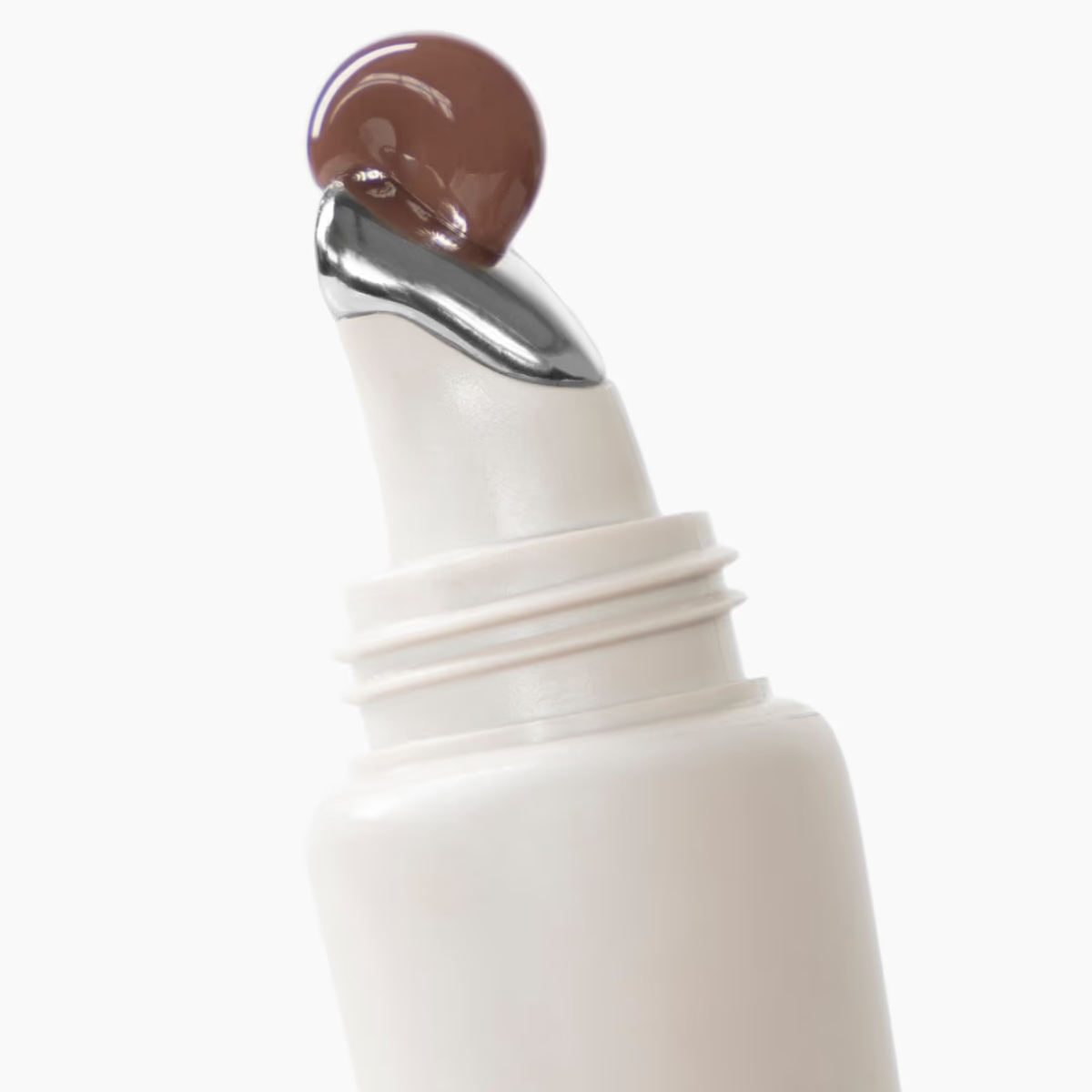
There is a particular kind of confidence that arrives when a woman stops asking for permission to take up space. It is not loud or declarative; it is the quiet assurance of knowing exactly what works for you. This is the energy behind the recent editorial celebration of brown lips, a beauty moment that feels less like a trend and more like a return to something intrinsic. The piece traces a personal history with lip gloss, from those early, overly glittery experiments to the refined, curated selections now offered by houses like Rhode and Dior. It is a journey from imitation to intention, and that trajectory is precisely what makes the story worth our attention.
We have long championed the idea that style is a form of self-connection, and this narrative aligns beautifully with that philosophy. The brown lip is not a novelty; it is a statement of groundedness. It does not scream for attention, yet it commands it through its understated sophistication. This is the same quiet authority we recently admired in Rihanna's Parisian moment, where a timeless silhouette spoke volumes without a single word of excess. Similarly, the brown lip offers a counterpoint to the chaotic world of loud beauty. It asks for nothing more than a moment of presence. For our readers, this is a practical shift in perspective: you do not need a new product to feel new; you need a new way of seeing yourself. The brown lip is not about following a formula but about finding the shade that feels like the most honest version of you, much like the intentional color philosophy we have explored in our own coverage of makeup that elevates rather than overpowers.
What strikes us most is the emotional maturity embedded in this choice. The brown lip is forgiving; it does not demand perfection. It is sensual without being performative, a subtle acknowledgment that femininity is a power we hold internally, not something we paint on for validation. This is where the article's true value lies. It is not a shopping list but an invitation to reconsider our relationship with beauty. We would tell a reader who asked us about this: do not buy the first brown you see. Instead, consider the undertones that speak to your skin, the texture that feels like a second skin, and the way the color changes under different light. It is a practice of discernment, not accumulation. The takeaway here is singular and worth quoting: a brown lip is not a color; it is a mindset, one that says you are comfortable with who you are, and you want your makeup to reflect that quiet confidence, not compete with it. Watch for how this aesthetic continues to influence the broader conversation, from the runways to the everyday, because this is not a fleeting moment. It is a permanent layer of the modern muse's vocabulary.