There is something quietly instructive about the fact that before Catherine, Princess of Wales, stepped into that historic carriage on April 29, 2011, she sought counsel not from a courtier or a royal stylist, but from a magazine editor. Alexandra Shulman, then the editor-in-chief of British Vogue, was the trusted confidante behind one of the most consequential fashion decisions of the modern era: the choice of Sarah Burton for Alexander McQueen. It is a detail that reframes how we understand the future Queen's approach to her public life, because it reveals a woman who values competence over protocol, and who understands that true influence is often invisible. This was not a decision driven by celebrity or tradition, but by a quiet, deliberate search for the right energy, a lesson in how the most powerful choices are often the ones we make without fanfare.
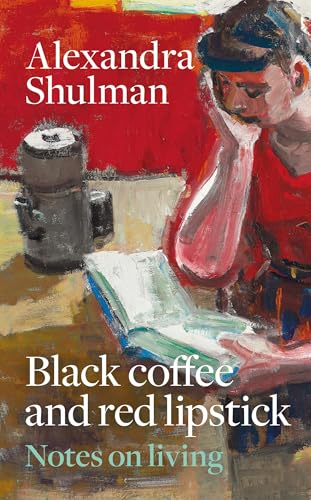
Shulman's account, shared in her book *Black Coffee and Red Lipstick: Notes on Living*, is a masterclass in the diplomacy of taste. She ruled out Vivienne Westwood not for lack of brilliance, but because the designer's formidable personality might clash with the formality of the royal household. She dismissed Bruce Oldfield and Catherine Walker not for their skill, but because they were so deeply associated with Princess Diana, a weight no new bride should have to carry. That her final recommendation of Sarah Burton rested on the fact that Burton was "a woman, with a very strong, but a very gentle personality" speaks volumes. It suggests that Catherine was not merely shopping for a dress; she was selecting a collaborator who could navigate the emotional and ceremonial demands of that day with grace. This is the same quiet anchor we have seen in other moments of the Waleses' lives, the kind of steady, unshowy support that, as reported in The Quiet Anchor Inside the Waleses' Unravelling World, was there for them when everything was falling apart. The pattern is consistent: Catherine surrounds herself with people who provide depth rather than noise.
What makes this story even more resonant is the way it mirrors the late Queen's own appreciation for understated bonds. In The Late Queen Found Solace in Kate and William's Quiet Bond, we learned that Her Majesty was comforted by the quiet, genuine connection between William and Catherine. That same instinct for substance over spectacle was at play in that 2010 meeting with Shulman. Catherine did not call a celebrity stylist or a high-profile fashion house. She called an editor known for her sharp eye and even sharper discretion, and then she sat and listened. There was no grand announcement, no press release. She simply nodded and said, "Thank you." The dress became iconic, the delicate lace sleeves, the train that seemed to float behind her as she entered Westminster Abbey, but the thought process behind it was built on restraint, confidence, and a refusal to be swayed by the obvious choice.
For our readers, the practical takeaway here is direct: the most consequential style decisions are seldom about the garment itself. They are about the character of the people you bring into the room. Catherine did not need a committee or a brand name; she needed one clear, thoughtful voice. Shulman, in turn, did not push a designer to elevate her own influence, she thought about what would serve the woman, the occasion, and the institution. The result was not just a wedding dress, but a precedent. The question that lingers is whether this approach will carry forward into other defining moments of Catherine's reign, or whether the machinery of modern monarchy will pull her toward louder choices. For now, the lesson stands: the most powerful silhouette is the one chosen with intention, in a quiet room, with one trusted advisor.