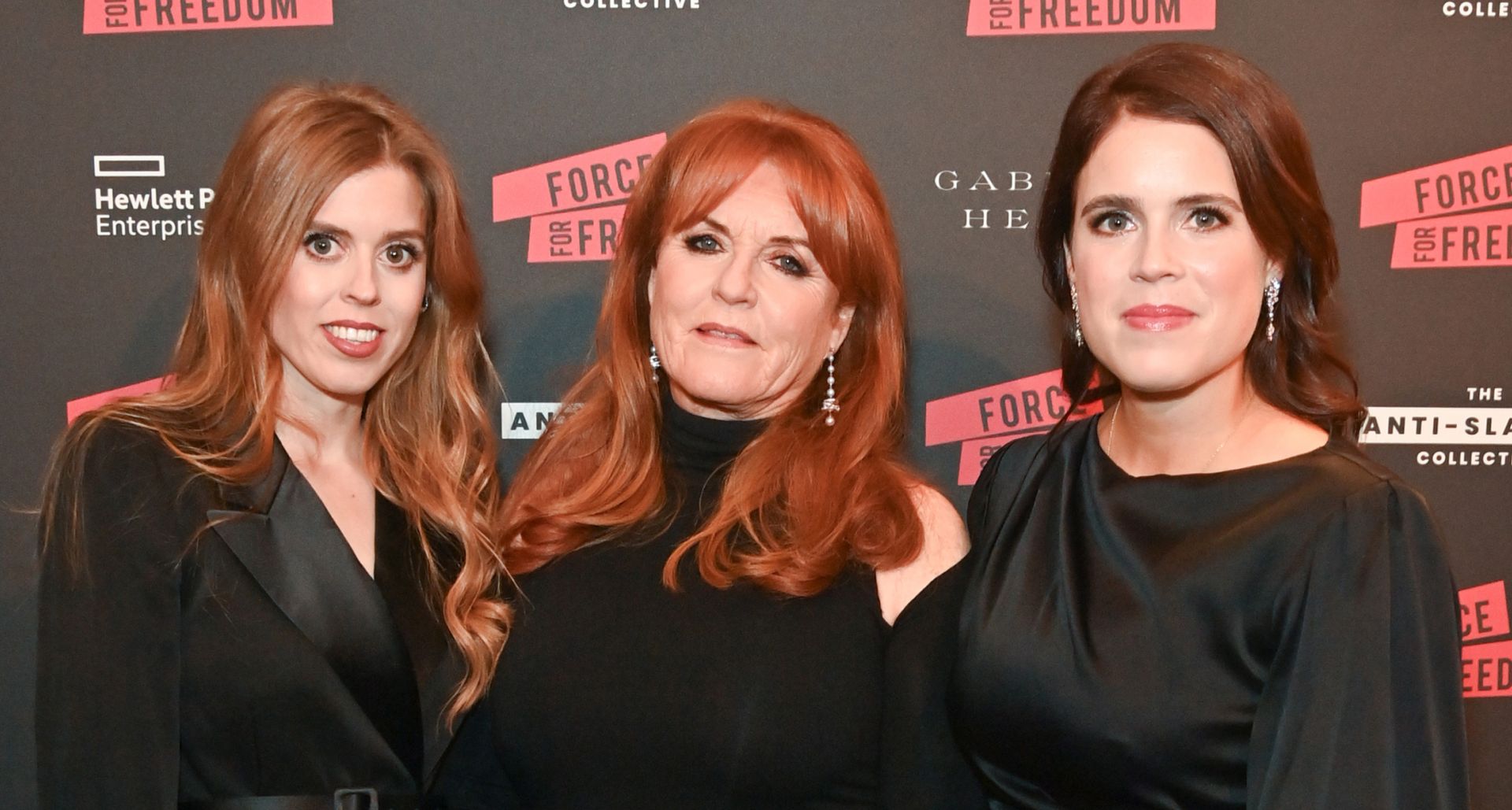
There is a particular sadness in watching a bond that once seemed unbreakable quietly loosen, not because of a fight or a betrayal, but because the weight of reality has simply become too heavy to carry together. The York sisters, Beatrice and Eugenie, were long described as a tripod with their mother, Sarah Ferguson, three figures standing in seamless support of one another. That image, once so carefully cultivated, has now fragmented. Royal commentator Phil Dampier has stated plainly: "I don't think the relationship is quite as close as it used to be, certainly." The sisters are visiting their mother at her new rental home in the Home Counties, but they are doing so out of sight, unwilling to be seen with her in public. It is a quiet recalibration, and one that feels less like a dramatic rift and more like the slow, inevitable erosion that happens when scandal becomes a shadow you cannot outrun.
What makes this particular unraveling worth noting is the contrast it draws with other recent royal dynamics. In our piece on The Quiet Anchor Inside the Waleses' Unravelling World, we examined how a single steady presence can hold a family together when everything else is falling apart. The York sisters do not appear to have that kind of anchor now. Their mother is living apart from them, stripped of her title and evicted from Royal Lodge alongside her ex-husband, Andrew, who lost his own titles in the same sweeping fallout. The girls are reportedly "very embarrassed" and are reevaluating their own lives and contacts to avoid being "tainted by scandal." This is not the story of a family rallying together in defiance of public opinion. It is the story of a family retreating inward, each member trying to protect themselves from the damage the others have incurred. Meanwhile, After her husband passed, a Housewife once dined with the exiled Duke reminds us that even the most controversial figures still attract company, but that company is increasingly found outside the family circle, not within it.
The practical takeaway here is clear: the days of the York women as a public, impenetrable unit are over. Dampier himself says the tripod has been "fragmented," and the language is precise. Beatrice and Eugenie have grown up, started their own families, and now must decide how much of their parents' legacy they are willing to carry in public view. Their choice to support their mother privately while keeping their distance publicly is not cold, it is calculated survival. In a world where every association is scrutinized, proximity to scandal is a liability, no matter how deep the love. The question worth watching is not whether they will reconcile publicly, but whether this quiet distance will become permanent. For now, they are choosing their own peace over the performance of unity, and that may be the most honest decision they have made in years.