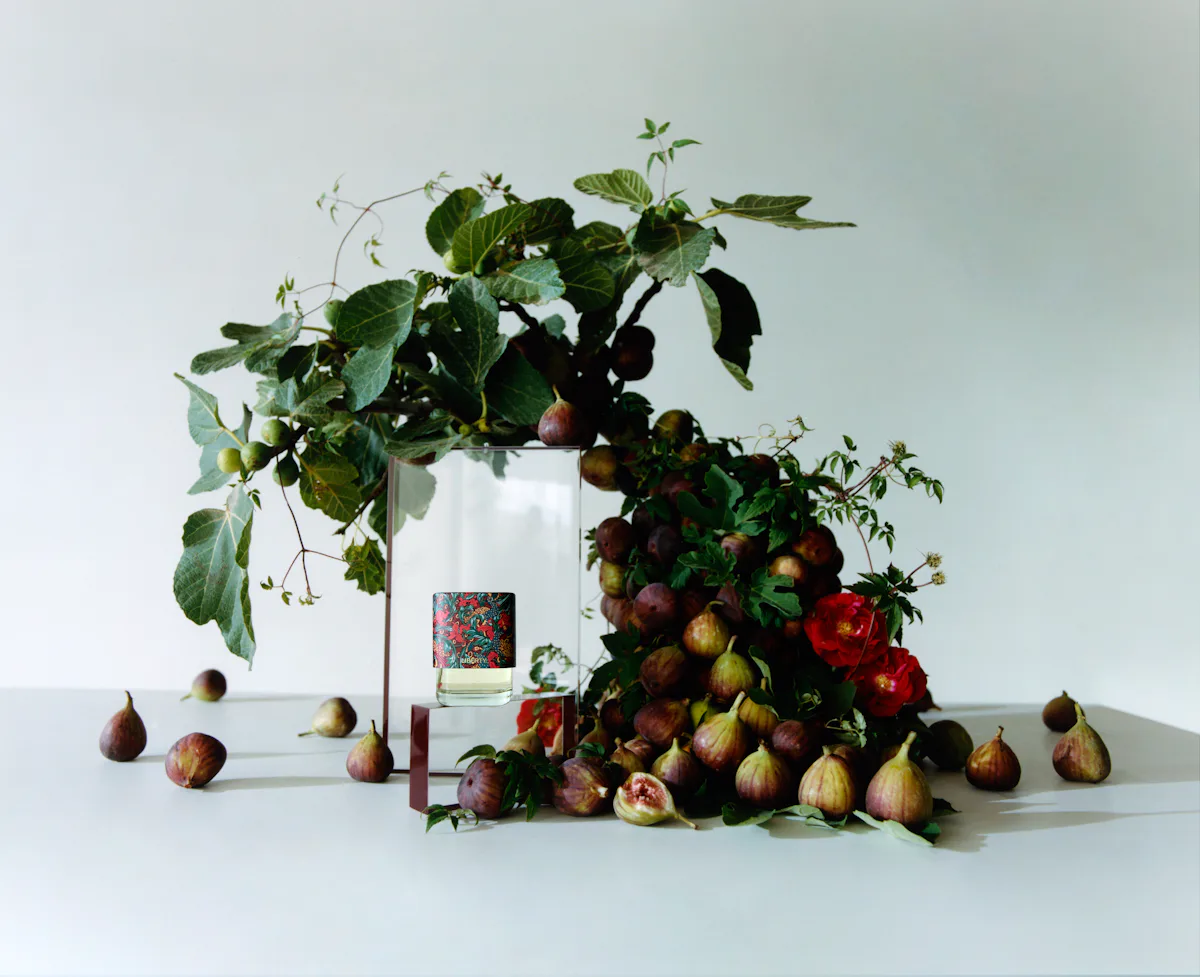
Fig has quietly become the most interesting note in modern perfumery, and we believe its rise says something deeper about how we want to smell, and feel, right now. In an era where the signature scent has evolved into a fragrance wardrobe, and layering has moved from niche ritual to near-necessity, fig offers a rare versatility that feels both intentional and effortless. It is the olfactory equivalent of the pieces we reach for again and again, much like the refined staples we recently explored in our guide to Seventeen refined Anthropologie staples for the cooler months. Fig does not shout; it lingers, adapting to every season and mood with a quiet confidence that mirrors the polished, understated aesthetic we admire in a well-curated wardrobe.
What makes fig so unexpectedly compelling is its refusal to be pinned down. As Nathalie Benareau, the nose behind Granado's Fig Confit, explains, fig captures everything from crisp green leaves and sun-warmed bark to soft, creamy pulp. It sits at the intersection of fresh green scents and warm, comforting gourmands, neither one nor the other, but a lush, textured middle ground. This is not a note that demands attention through sweetness or shock. Instead, it offers a more nuanced interpretation of indulgence, pairing beautifully with warm woods, citrus, teas, or white florals without ever overwhelming. It is the scent version of a well-cut skirt that works from morning meetings to evening dinners, much like the quiet authority of a Prada knee-length skirt we recently noted in Prada defines quiet authority with the knee-length skirt this spring. Fig does not need to be the loudest note in the room to be the most memorable.
For the woman building a fragrance wardrobe, fig is the anchor that ties everything together. It pairs with coconut for creamy comfort, with basil for an uplifting green profile, with jasmine or rose for radiance, and with sandalwood or vetiver for grounding depth. It works as easily in a light, citrus-forward eau de toilette as it does in a resinous, velvety base. This adaptability is what makes fig feel modern: it respects the complexity of the wearer. You can layer it, shift it, wear it alone or in conversation with other notes. It asks nothing of you but presence. And perhaps that is why so many of the most compelling fig fragrances, from Diptyque's iconic Philosykos, now thirty years old and still fresh, to DS & Durga's woody, androgynous Debaser, feel less like trends and more like extensions of a personal identity.
The practical takeaway is this: if you have not yet explored fig as a note, start with one that mirrors the texture you are drawn to in your wardrobe. For a crisp, verdant entry, try Jo Malone's Fig & Lotus Flower, which captures the leaf more than the fruit. For something warmer and more indulgent, Granado's Fig Confit offers a candied, velvety richness balanced by rose and cedarwood. And if you want the full arc of the fig's life, from green stem to ripe pulp to resinous base, Tom Ford's Figue Érotique is a study in olfactory storytelling. The question is not whether fig belongs in your collection, but which version of its many textures will feel most like you.