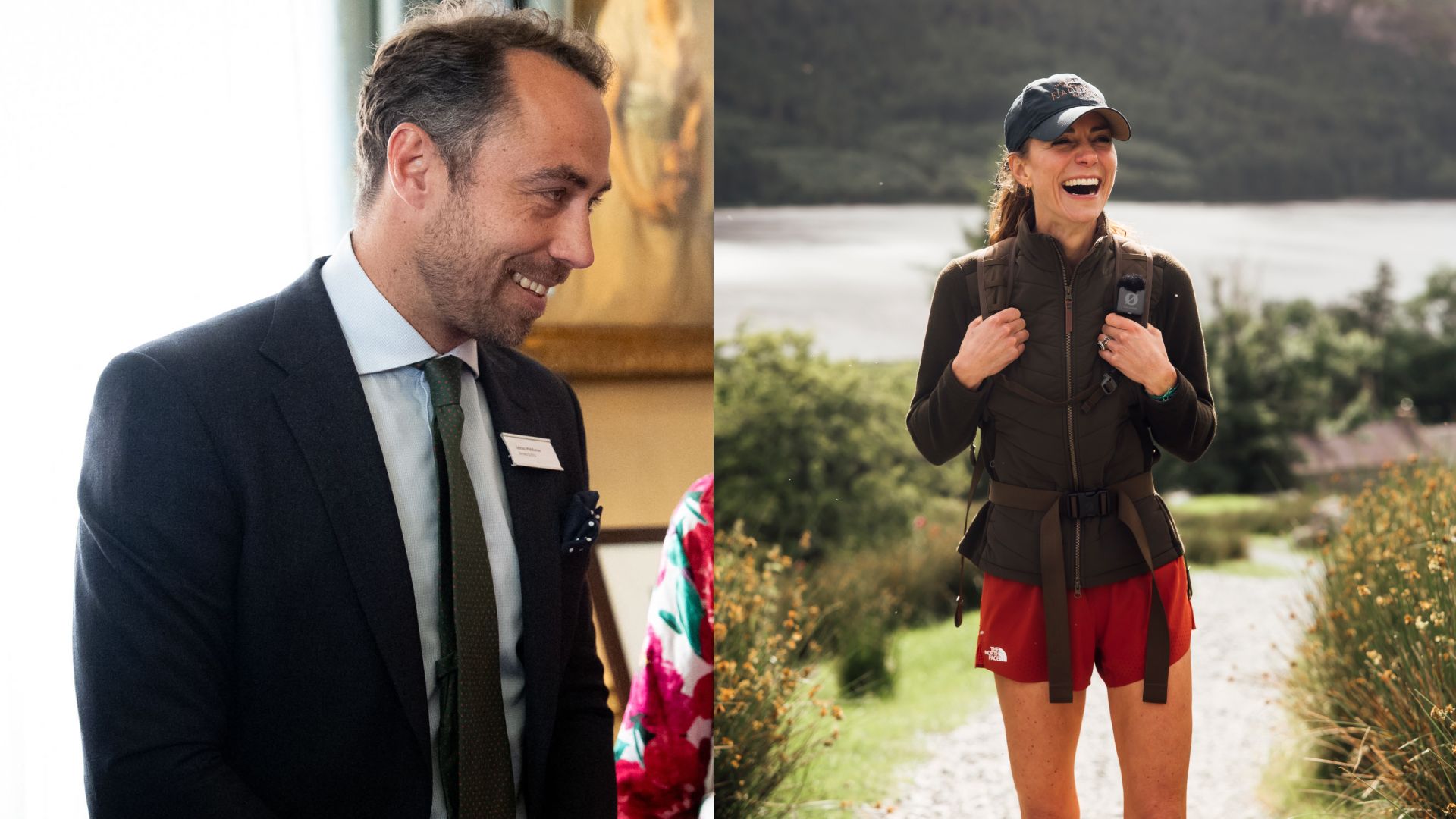
There is something quietly radical about the Princess of Wales using her most vulnerable chapter to make space for others. The trailer for *Heal*, her upcoming documentary on the National Three Peaks Challenge, is not a bid for sympathy or a curated reveal of royal resilience. It is an invitation to look outward. Kate does not narrate her own suffering in dramatic terms; instead she frames the climb as a shared act, noting that "it's clear we're not meant to carry life's challenges alone." That line lands with the kind of understated authority we recognise from other moments of quiet command in the family's history, a sensibility explored in our piece on The Quiet Command of Princess Diana's Unexpected Invitation, where presence, not pronouncement, did the work. Here, the same principle holds: Kate lets the image of herself climbing three mountains in twenty-four hours, surrounded by her siblings and her children at the finish, speak to something deeper than accomplishment.
What makes this project feel distinct is the restraint in its construction. Kensington Palace shared a trailer, not a press tour. The comments from James Middleton, "So beautiful in every way", and from Princess Beatrice's husband, Edoardo Mapelli Mozzi, who left a simple string of broken-heart emojis, suggest a family rallying in a language that is more felt than performed. That ease matters. The Wales family has long operated with a certain visual precision, and this documentary extends that ethos into emotional territory without losing the composure that defines their public image. It is a form of quiet luxury applied to healing: the product is not the story of illness, but the evidence of recovery in motion. And in a world where personal health narratives often tip into overexposure, Kate's choice to focus on the challenge itself, and to redirect all proceeds to The Royal Marsden Cancer Charity, keeps the focus where it belongs. This is not a documentary about her; it is a documentary about what she did with what she endured.
For our readers, the practical takeaway is about how to carry difficulty without letting it define the frame. Kate does not erase her cancer journey; she climbs through it, literally and metaphorically, and lets the physical effort stand for the internal one. That approach mirrors the kind of intentionality we see in the way Princess Charlotte and Prince Louis are being raised, a path that, as we explored in Prince George's path is quietly decided, not promised privilege, is built on earned steadiness rather than inherited spotlight. The same logic applies here: Kate earns the audience's trust not by explaining her pain, but by showing what she did with it. She climbed the three tallest peaks in the UK in a single day, and she brought her brother, her husband, and her children along for the final embrace at the bottom. That image, a family gathered at the base of a mountain, sweaty and smiling, is worth more than any statement could convey.
The detail to watch is the architecture of the documentary itself. *Heal* will interweave Kate's own reflections with the stories of others navigating their health journeys. That structural choice, placing her narrative alongside, not above, those of strangers, is the clearest signal yet of how she intends to use her platform going forward. It is not about the crown. It is about the climb. And for a royal who has always favoured the quiet over the loud, that may be the most powerful position of all.