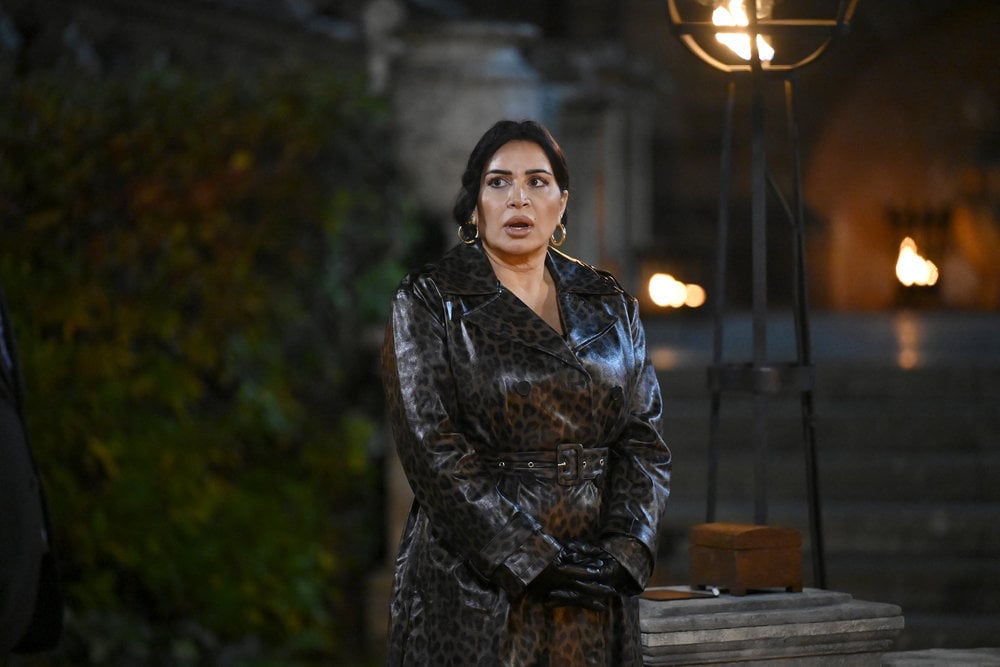
There is a particular stillness that falls over a room when a heart breaks in public. It is rare to witness such a moment, though reality television makes it less so. In the season one finale of "The Traitors," we watch two of them shatter as Cirie Fields reveals her deception to a fellow contestant. The image of Mercedes "MJ" Javid, frozen in that gutted silence, lingers long after the credits roll. We are not watching a fight or a scandal; we are watching trust dissolve in real time. That rawness is precisely why we cannot look away. It is the same magnetic pull that draws us into the curated chaos of Unveiling the Players: A Glimpse into 'The Traitors: New Blood', where every alliance is a fragile thread and every confession carries the weight of what might be betrayed.
What fascinates us is not the strategy or the prize money. It is the emotional mathematics of it all. We tune in to watch people negotiate the distance between who they are and who they pretend to be. When Cirie makes her move, she is not just ending a game; she is severing a bond that felt, for a moment, like something real. This is the quiet violence of deception, and it is why the genre holds us so firmly. We are not passive observers. We are complicit, leaning in, because we have all wondered how we would navigate that same knife's edge. It reminds me of the restraint we admire in Timeless Style: Zendaya's Vintage-Inspired Elegance, where the power lies not in loudness but in the deliberate, careful choices that reveal character. Here, too, the most telling moments are the quiet ones: the hesitation before a lie, the flicker of doubt before a vote.
Our take is this: we are not watching a show about betrayal, but about self-knowledge. The contestants who survive are not the ones who lie best, but the ones who understand what they are willing to sacrifice. For the viewer, the practical takeaway is uncomfortable. We can no longer pretend we are above the spectacle. We are drawn to the shatter because it mirrors our own private fractures. The question is not whether we would deceive, but whether we would have the courage to face the aftermath. And that is the detail to watch in the next episode, the one that will define the season: not who wins, but who is left standing with their own reflection intact. The show may be called "The Traitors," but the real weight is carried by the ones who trusted too openly. We should ask ourselves, as we watch, what we would protect: the game, or the heart in front of us.