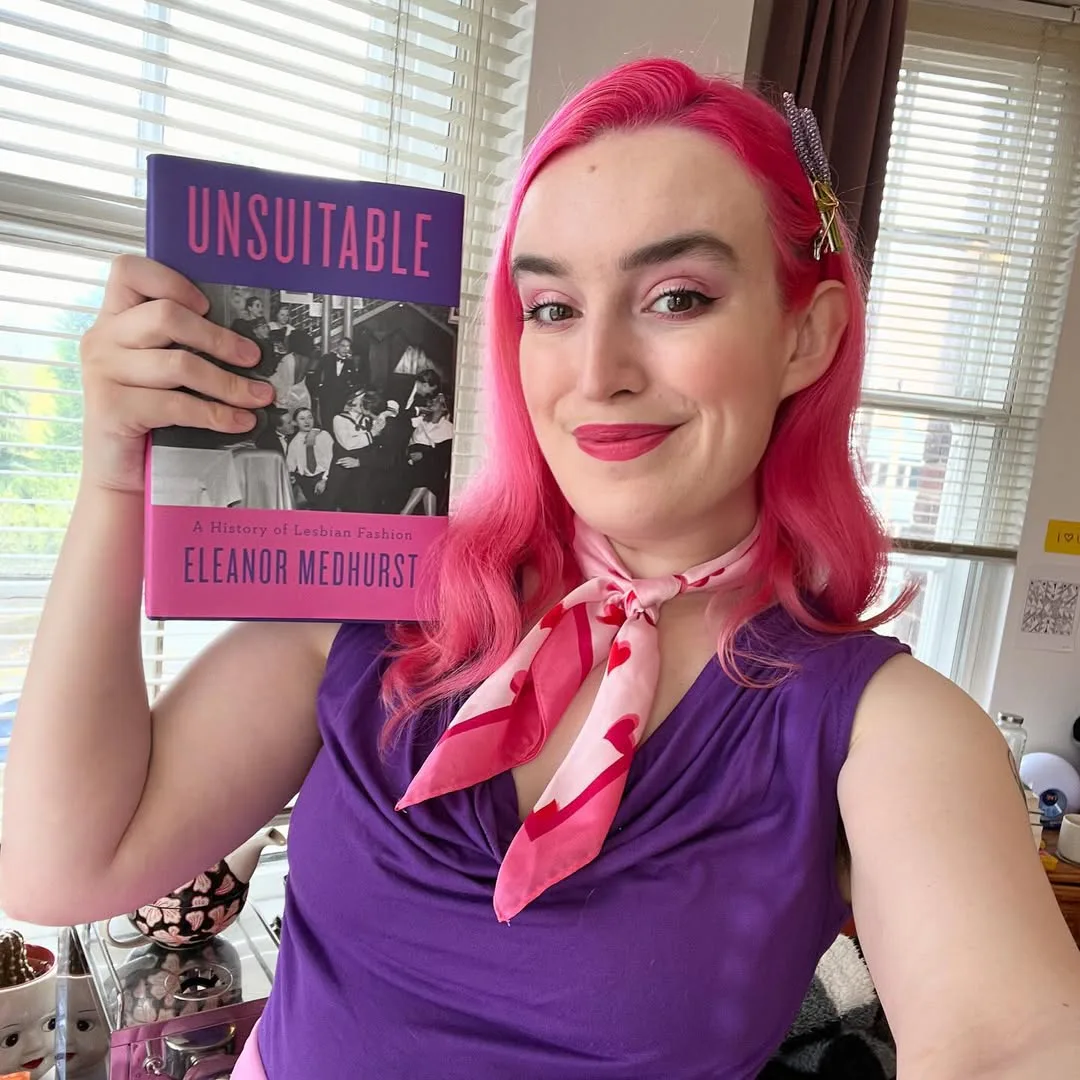
Eleanor Medhurst's "Dressing Dykes" is more than just a charming Instagram account; it's a vital act of historical reclamation. The erasure of lesbian history is a pervasive and often unintentional consequence of mainstream narratives, and Medhurst's work directly confronts this omission within the realm of fashion. It’s exciting to see this kind of meticulous research and passionate dedication being applied to a niche that deserves far more attention. We've long championed celebrating individuality through style, as evidenced in our piece Summer 2026's Pedicure Trends Include Cherry Red & Retro Mint, which underscores the power of even seemingly small aesthetic choices to communicate identity. Similarly, the spirit of discovery championed in 65 Weird New Things On Amazon That Are Legitimately Amazing resonates with Medhurst’s project – both highlight the joy of uncovering forgotten or overlooked cultural artifacts, albeit in very different forms.
The significance of "Dressing Dykes" lies in its ability to illuminate the subtle yet powerful ways lesbian women have expressed themselves through clothing, accessories, and overall aesthetic choices throughout history. It’s about more than just identifying what lesbians wore; it's about understanding *why* they wore it, the social contexts that shaped their style, and the coded language of fashion that allowed them to connect and find community, often in clandestine or marginalized spaces. The visibility that Medhurst is creating is a direct response to the historical invisibility experienced by lesbian women, particularly within the fashion archives and academic discourse. Before, these histories were often buried beneath heteronormative narratives, their significance dismissed or overlooked. Now, a dedicated platform is bringing these stories to light, providing a valuable resource for researchers, fashion enthusiasts, and anyone interested in LGBTQ+ history.
What’s particularly compelling is Medhurst's academic background informing her approach. This isn't a casual hobby; it’s a scholarly project driven by a deep understanding of fashion history and a commitment to rigorous research. The platform's visual presentation, with its carefully curated images and thoughtful captions, reflects a sophisticated aesthetic sensibility, aligning with the quiet luxury and intentionality we strive to embody. The diligent curating and sharing of these often-obscure pieces of fashion history echoes the thoughtful curation we see in our recent piece Editors Are Bookmarking These (Already Discounted) Fashion Deals for Prime Day Next Week, where careful selection highlights items deserving attention. This demonstrates that value exists beyond fleeting trends; it’s about recognizing and preserving enduring beauty and cultural significance. The project’s success highlights a growing appetite for nuanced, intersectional narratives within the fashion space, proving that there's a powerful audience eager for stories that challenge conventional perspectives.
Ultimately, Eleanor Medhurst’s work is a powerful reminder that fashion is never neutral. It’s a cultural artifact, a form of communication, and a potent tool for self-expression. “Dressing Dykes” isn’t just preserving the history of lesbian fashion; it’s rewriting the narrative of fashion history itself. As we move forward, a key question to consider is how platforms like “Dressing Dykes” can inspire broader institutional changes within fashion archives and museums, ensuring that LGBTQ+ histories are not only recognized but actively celebrated and integrated into mainstream understanding of fashion's evolution.