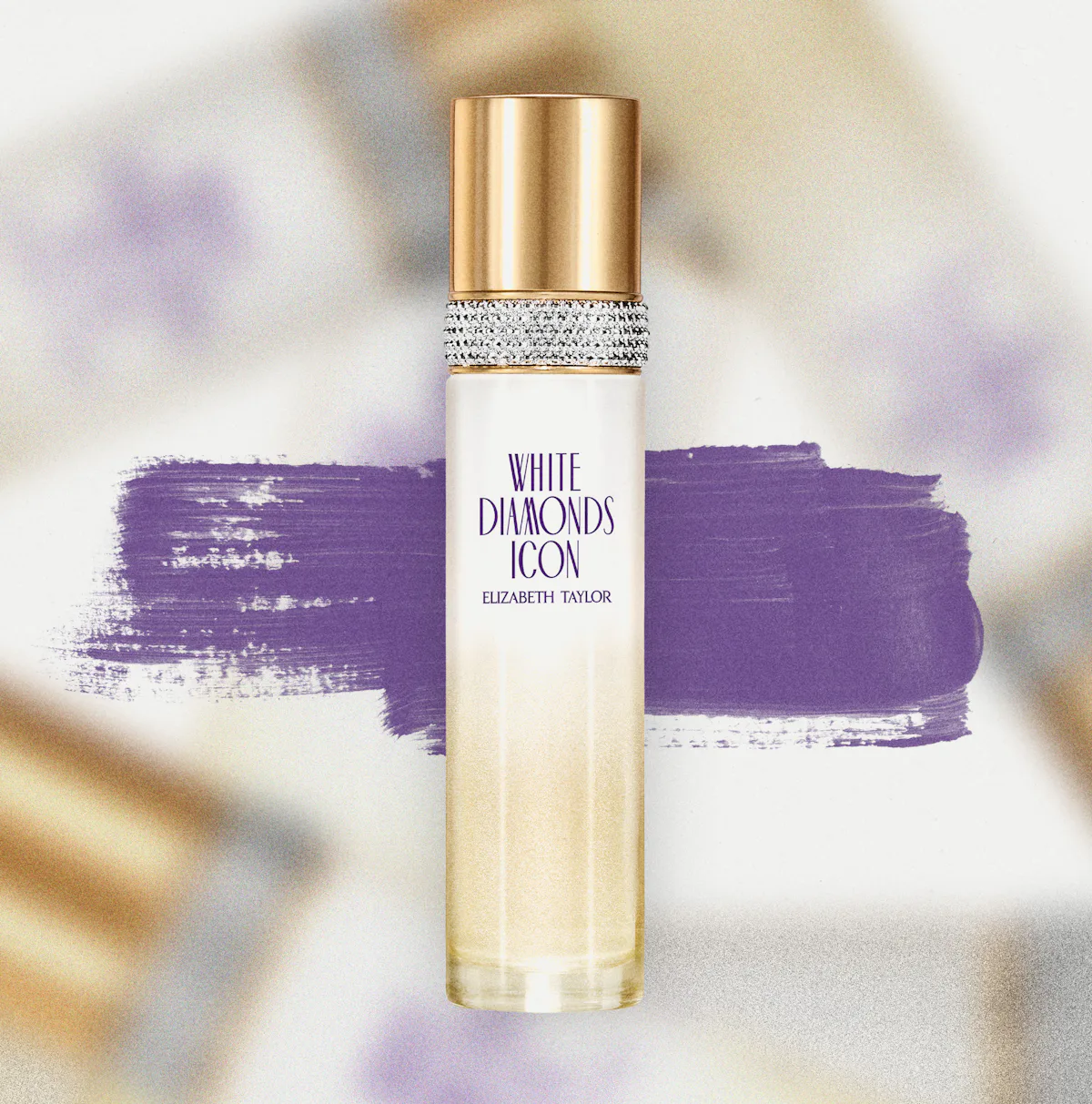
Thirty-five years ago, Elizabeth Taylor did something that feels almost radical now: she trusted that a fragrance could carry a legacy without shouting. White Diamonds was never a whisper, exactly, but it was a statement of a certain kind of woman, one who understood that allure is as much about what you withhold as what you reveal. Now, as the brand debuts White Diamonds Icon, we are watching a quiet evolution. This is not a reinvention for the sake of noise. It is a maturation, a recognition that the woman who wore the original has grown, and so has her sense of self. In a cultural moment where we are curating our lives with intention, from the Quiet Edit: 26 Pieces Our Editors Are Wearing Now to the considered choices we make daily, Icon feels less like a product launch and more like a homecoming.
Our take on this is simple: this is what founder-as-muse energy looks like when it is done with restraint. Taylor pioneered celebrity fragrance by lending her name, but more than that, she lent her persona. She was the muse, not the model. Icon, we suspect, aims to do the same for a new generation, but it will not beg for your attention. It will sit on the dresser, waiting. The parallel to our own editorial lens is unavoidable. We are drawn to pieces that do not need to perform. The Elevated Footwear: Defining Fall's Quietly Stylish Sneaker Selection are not about logos; they are about line and comfort. Icon is the fragrance equivalent of that perfect sneaker: it does not compete, it complements. For our readers, the practical takeaway is to stop treating fragrance as an accessory and start treating it as an extension of your inner state. You do not wear Icon to be noticed; you wear it to remember yourself.
What we would tell a reader who asked us about this launch is to pay attention to the shift in language. The original was about glamour, about the diamond as a symbol of external achievement. Icon is about the woman holding the diamond. It is introspective, not performative. This aligns with the way we view style now, as a form of self-connection rather than self-display. The scent itself is not the story; the confidence it requires to wear it is. We are seeing this across our coverage, from the Fall 2026: Protective Styles and Textures to Define the Season, where the emphasis is on personal expression over trend compliance. Icon is a continuation of that dialogue. It asks a question rather than making a demand.
The detail to watch is whether Icon can maintain that quiet authority without the crutch of nostalgia. The risk is not that it fails, but that it leans too heavily on the past. Our hope is that it trusts the woman of today to bring her own history to it. The concrete point to watch is the scent's sillage, not in the perfume sense, but in its cultural wake. Does it inspire a new ritual, or does it simply sit beside the old one? We are betting on the former, because the modern muse does not chase relevance. She waits for it to catch up. And it always does.