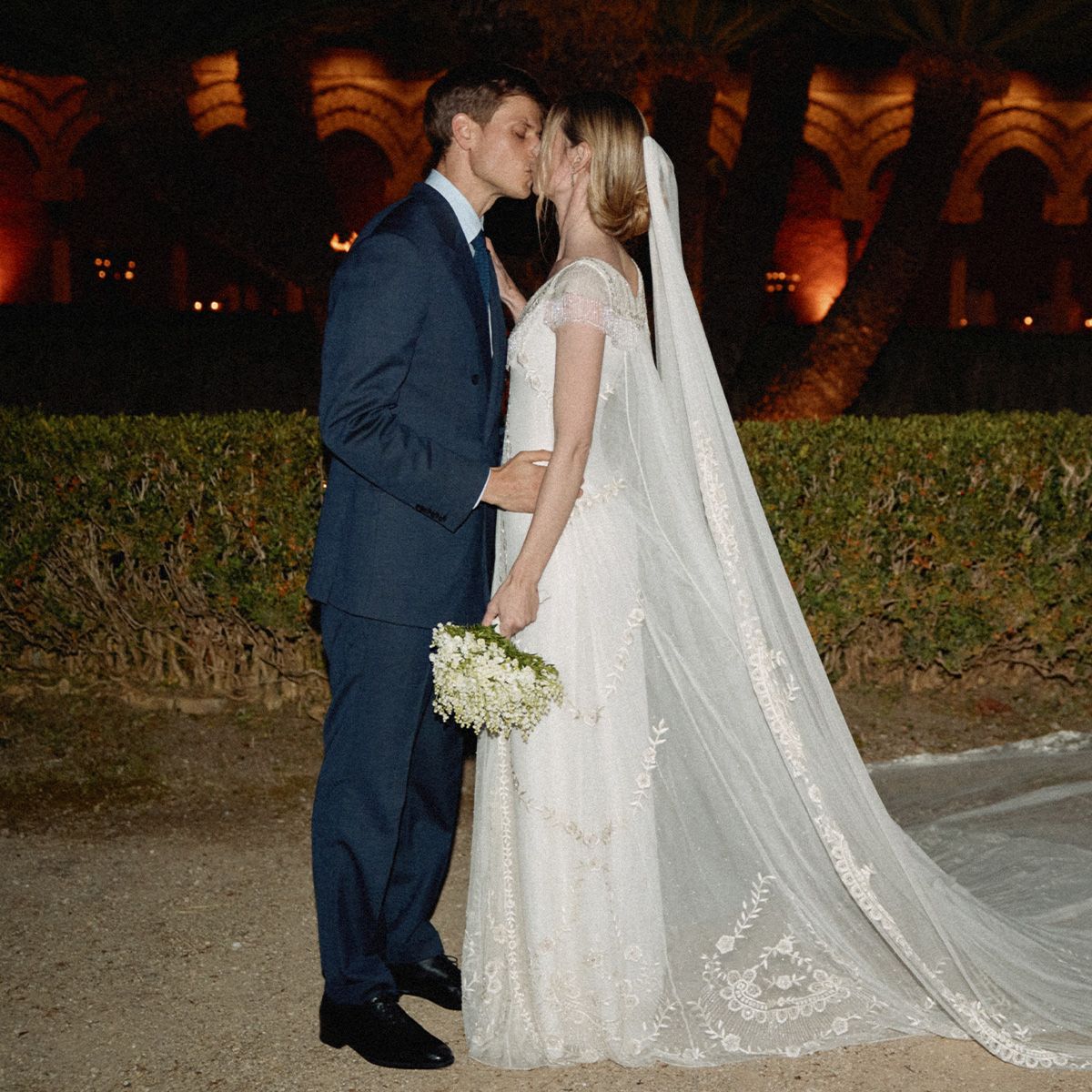
There is a particular kind of confidence that comes from not needing to raise your voice. It is the same quiet assurance that defines the wedding aesthetic of a bride who has known exactly who she is since childhood. The feature on this timeless celebration, inspired by Hepburn's quiet elegance, is not a lesson in vintage replication. It is a study in self-possession. The bride's obsession with this look is not a trend cycle; it is a homecoming to a version of herself that has always existed. We see this and think, yes, this is the energy we want to carry into our own lives, whether we are planning a wedding or simply planning our next season of self-expression.
This approach feels particularly resonant when we consider the broader cultural moment. We are surrounded by noise, by the constant performance of more. Yet the most compelling style statements we have seen recently, from J.Lo trades her signature bodysuit for tailored ease in Milan to Katie Holmes's Milan Look Finds Quiet Perfection in a Single Bag, are all saying the same thing in different dialects. They are stripping back the superfluous to reveal a core of intention. It is not about the volume of the garment or the price tag of the accessory; it is about the emotional resonance it holds. The bride in this feature understands that the deepest luxury is the freedom to be entirely, unapologetically oneself. Her choice of a quiet gown is not a lack of statement; it is the statement.
For our readers, the takeaway is profoundly practical. This is not a call to mimic a specific silhouette, but an invitation to audit your own instincts. Ask yourself what you are drawn to when no one is watching. Is it the clean line of a boat neck? The whisper of silk against the skin? That is your truth. The current conversation around The quiet-luxury shade replacing the classic neutrals you own reinforces this idea. We are collectively moving toward a palette and a wardrobe that feels like a deep exhale. It is about curating a life, and a wedding, that feels like an extension of your inner world rather than a performance for an external one. This is the calm authority we all seek, a way of moving through the world that suggests we are comfortable with who we are, and we invite others to be, too.
What we would tell a reader who asks about this story is simple: pay attention to what your stomach does when you see an image that feels right. That is your compass. This wedding is not a directive; it is a permission slip. The specific detail to watch is how the restraint of the aesthetic creates a deeper sense of presence for the couple. In a world that equates excess with celebration, choosing grace is a radical act. It proves that the most memorable moments are not the loudest, but the ones that allow us to hear our own hearts clearly. And that is a lesson that extends far beyond the altar.