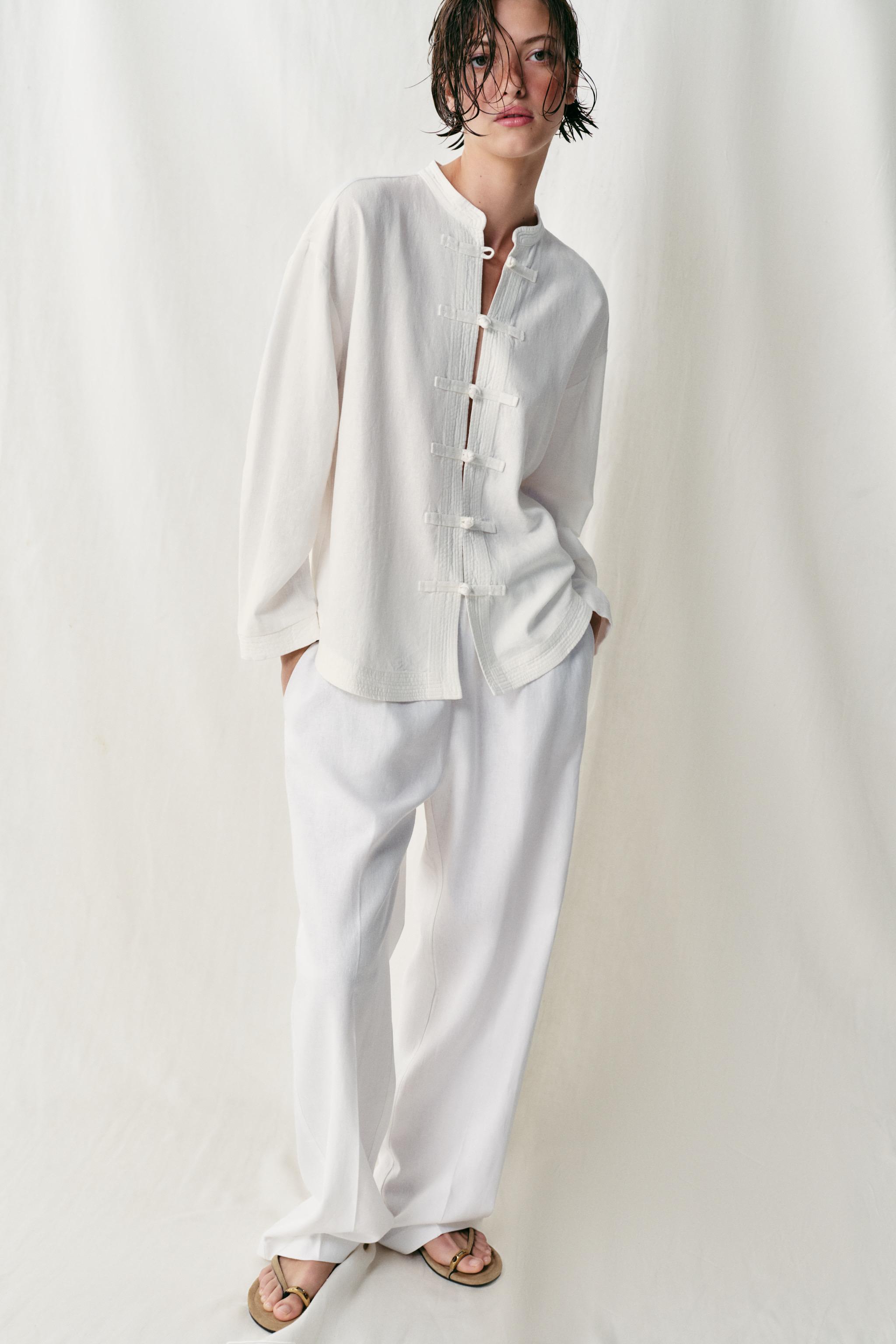
There is a particular kind of elegance that never needs to announce itself. It walks into a room quietly, carries a certain ease, and leaves an impression that lingers. This is the energy of a woman who has mastered the art of dressing well, not by chasing trends, but by understanding what makes her feel like herself. The story of a mother's influence on her daughter's wardrobe is a familiar one, yet it holds a truth we often overlook: true chic is not about the label on the inside of the collar, but the confidence in the way a garment sits on the shoulders. It is a lesson in restraint, and one that feels increasingly rare in a world that screams for attention.
We are drawn to this narrative because it mirrors a philosophy we hold dear: luxury is a feeling, not a price tag. The ability to spot an expensive-looking piece on the high street is not about luck; it is a skill, a form of visual literacy that comes from understanding cut, fabric, and proportion. When we read about a mother's knack for finding sleek, polished staples at accessible prices, we are not just learning about fashion; we are learning about discernment. It reminds me of the ethos behind The October Edit: The Quiet-Luxury Staples Defining the Season, where the focus is on investment pieces that speak softly. Similarly, the conversation around The Quiet Power of Sustainable Style: A Survey on Mindful Fashion Choices reinforces that what we choose to wear is a reflection of our values, not our net worth. The most compelling style is often the one that looks effortless, but is, in fact, the result of a considered eye.
This brings us to a more practical, and perhaps more profound, takeaway. The article is not really about a mother's wardrobe; it is about the passing down of a worldview. It suggests that style is a form of self-respect, and that this respect is not diminished by a sensible budget. In fact, the constraint of a budget often forces a more creative and intentional approach. We would tell a reader who asks about finding their own version of this quiet power to stop looking at the price tag and start looking at the seams. Ask yourself if the garment makes you feel more grounded, more free, or more connected to the person you are becoming. This is the emotional bond we often discuss, the one that transcends the transactional nature of buying clothes. It is about presence and self-connection, much like the introspective themes we explore in The Quiet Art of Asking: A Space for Style's Unfinished Thoughts, where we consider the questions behind our choices.
The real beauty here is the quiet authority of the woman who knows what she likes. She does not need to justify her taste or explain her choices. She simply knows. That is the energy we should all aspire to carry, not just in our closets, but in our lives. The lesson is not about replicating a specific look, but about cultivating a sense of self that is so secure it becomes your signature. The question we are left with is not where to shop, but how to see. And that is a practice worth refining.