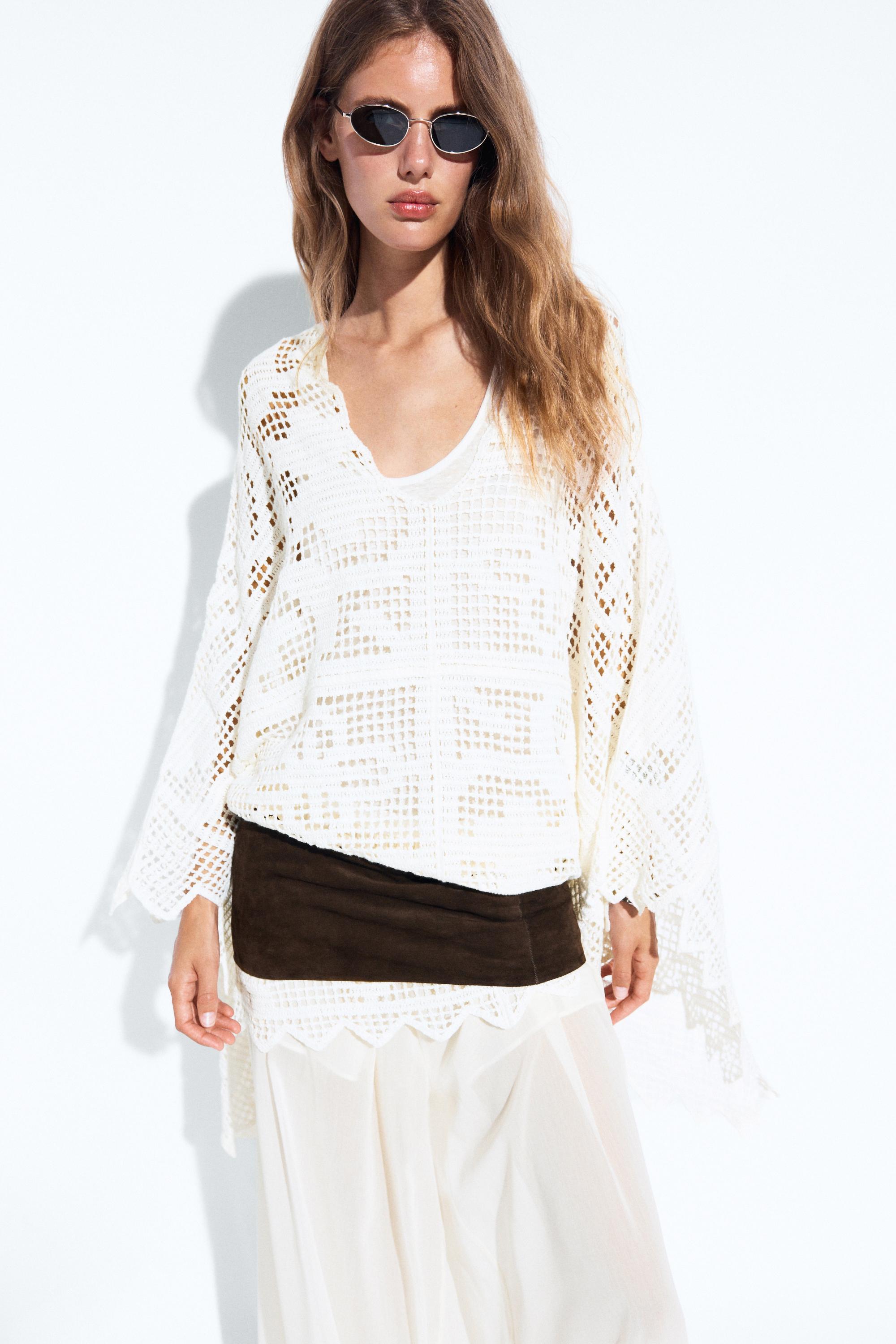
There is a particular kind of quiet authority in a piece that understands the difference between a passing trend and a lasting sensibility. The article on timeless texture makes the case for crochet as the former, a year-round staple rather than a seasonal nod, and that distinction feels exactly right for the moment we are in. We are watching the industry oscillate between the loud and the considered, and yet the pieces that truly anchor a wardrobe are rarely the ones making noise. They are the ones that ask to be touched, worn, and lived in. This is the same instinct that has been shaping the quiet-luxury staples defining the season, where the focus is on material honesty and ease rather than logo-driven statements. Crochet, in this context, becomes less about nostalgia and more about a deliberate choice to engage with what feels authentic.
Our take is simple: texture is the most underrated tool in modern dressing because it forces a slower kind of attention. A flat, printed garment asks for nothing; a ribbed knit or an open-weave stitch asks for a pause. That is the emotional pull we keep returning to, the way a piece can make you feel more present just by wearing it. It is the same sensibility that made J.Lo's tailored ease in Milan feel like a revelation, not because the look was loud, but because the fabric and cut carried a confidence that did not need to perform. Her shift away from the signature bodysuit toward structured comfort mirrors what crochet offers: an invitation to be comfortable in your own skin without sacrificing polish. The connection between these stories is not superficial. It is about a shared understanding that style is an inside-out experience, one where the way a garment feels against you matters as much as how it photographs.
What we would tell a reader who asks about this trend is not to buy it as a trend at all. Treat it as a test. If a piece of crochet, or any textured fabric, survives the wash, feels good on the second wear, and does not demand constant adjustment, it earns its place in your rotation. If it does not, it is just another object. The real luxury here is discernment, the ability to look at a piece and know whether it belongs to your world or simply to a lookbook. This is also where the quiet-luxury conversation gets interesting, because it is less about the price point and more about the intention behind the choice. The neutral shade replacing the classic staples is another example of this same logic, where the wrongness of a color becomes right simply because it is worn with conviction.
The practical consequence is this: stop asking what is in and start asking what you want to feel. Crochet, like any textured staple, is a vehicle for that question. The pieces that answer it are the ones you will reach for in June and January alike, not because they are versatile in a generic sense, but because they hold a specific memory of how they made you feel. The detail to watch is not the stitch itself, but whether you notice it on yourself before anyone else does. That is the threshold. That is where timelessness actually lives.