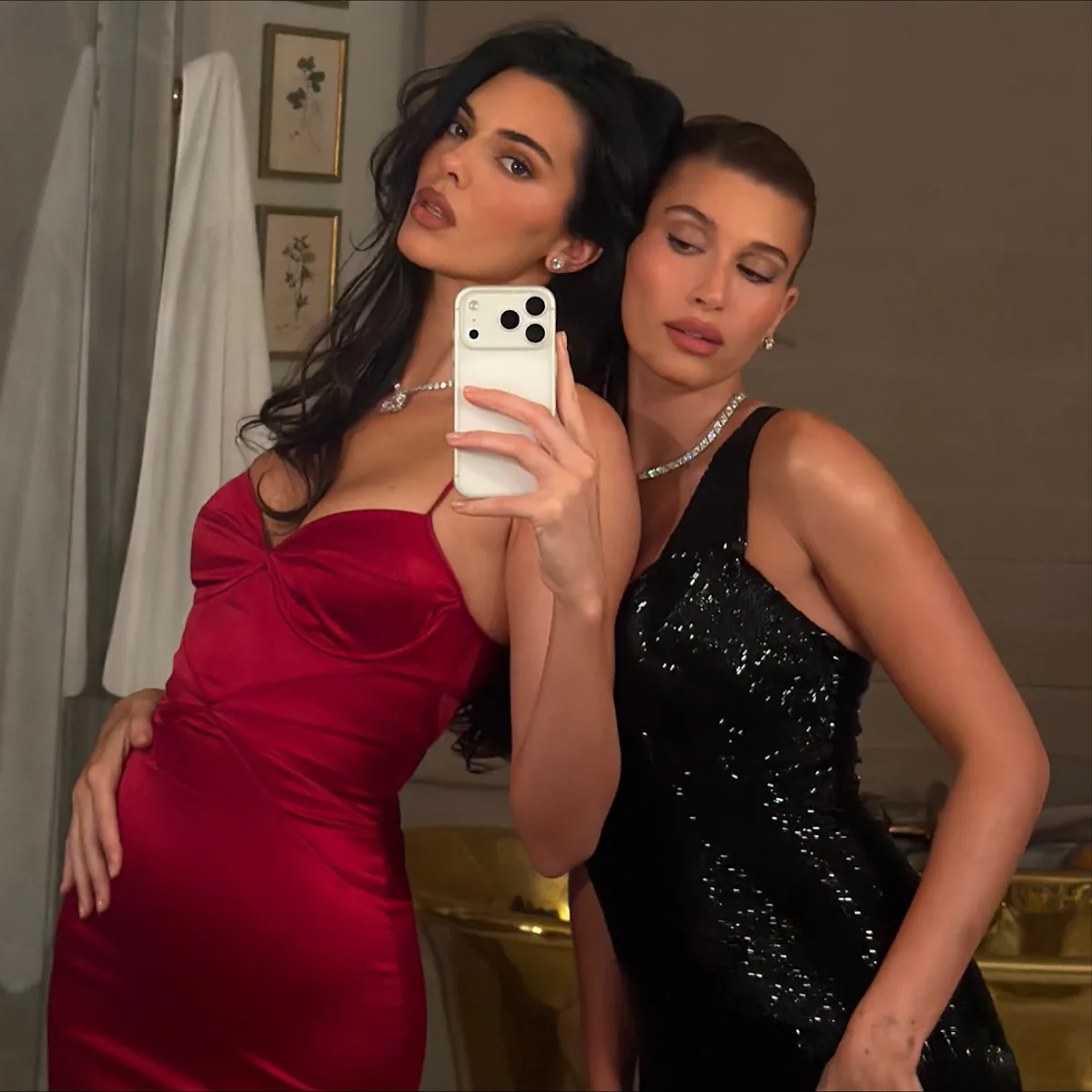
The elevation of vintage fashion to a status symbol feels, in a way, deeply inevitable. For years, it existed in a liminal space – appreciated by those seeking sustainable alternatives, cherished by enthusiasts of bygone eras, and quietly understood as a sign of discerning taste. But the recent surge, propelling it beyond niche circles and into the mainstream luxury conversation, signals a broader cultural shift. We've seen it before, of course: the cyclical nature of trends, the yearning for authenticity in a world of mass production. But this feels different. It’s less about replicating a specific decade and more about curating a personal narrative through carefully selected, pre-loved pieces. The desire for uniqueness, for a story woven into one’s clothing, is powerful. Consider, for example, the enduring appeal of [White Midi Skirts Are the Easy-To-Wear Summer Essential Replacing Denim Maxis—Mango’s $54 Style Nails It], demonstrating a growing appreciation for timeless silhouettes and effortless elegance, qualities often inherent in vintage finds. This trend also echoes the recent fascination with Sienna Miller’s nostalgic style, as seen in [Sienna's '90s "Naked" Slip Dress and Gold Shoe Combo Is So Carrie Bradshaw-Coded ], further solidifying the idea that personal style, rooted in the past, can be incredibly chic.
The exclusivity factor is undeniably key to this status elevation. A newly released designer bag, however coveted, is readily available (or at least, readily attainable for a certain demographic). A perfectly preserved 1960s Pucci dress, on the other hand, speaks of a deeper engagement with fashion history, a willingness to invest time and effort in the hunt, and ultimately, a possession that is truly one-of-a-kind. This isn't simply about owning something beautiful; it's about owning something rare, something with provenance. The rise of online vintage platforms has certainly democratized access to these pieces, but it's also intensified competition, further fueling the sense of exclusivity. The savvy collector understands the value isn’t just in the garment itself, but in the narrative it carries, the era it represents, and the story it tells about the wearer. It's a subtle but potent form of self-expression, a quiet declaration of individuality that transcends fleeting trends. The focus on quality and craftsmanship, so often lacking in contemporary fast fashion, is another important driver. Many vintage pieces were made to last—a sentiment increasingly valued by conscious consumers.
This shift has significant implications for the fashion industry as a whole. It challenges the traditional model of constant newness, forcing brands to reconsider their approach to design and production. Sustainability, once a niche concern, is now a mainstream imperative, and vintage fashion provides a tangible, stylish solution. We’re seeing brands increasingly incorporate vintage elements into their collections, collaborating with vintage dealers, and promoting circular fashion practices. The focus is moving away from sheer volume and towards a more curated, considered approach to consumption. Even the beauty industry reflects this sensibility; the emphasis on finding the perfect shade, the one that truly complements your skin tone, mirrors the careful selection process inherent in vintage shopping – as demonstrated by articles such as [Highly Pigmented and Worth Every Dime: 7 Blushes That Pop on Brown Skin ], where the pursuit of the perfect match is paramount. It’s about finding pieces that resonate with your individual style and values, rather than blindly following the latest trends.
Ultimately, the elevation of vintage fashion to a status symbol isn’t just about clothes; it's about a reframing of luxury itself. It’s a move away from ostentatious displays of wealth and towards a more understated, intellectually-driven appreciation for artistry, history, and personal style. As the lines between vintage, resale, and contemporary fashion continue to blur, the question remains: will this trend lead to a more sustainable and thoughtful fashion ecosystem, or will it simply become another fleeting status symbol in its own right? And, more importantly, how will this evolving landscape reshape our understanding of what it means to be stylish in the years to come?