Tommy Hilfiger’s NYFW Shows Will Always Be Iconic
Our take
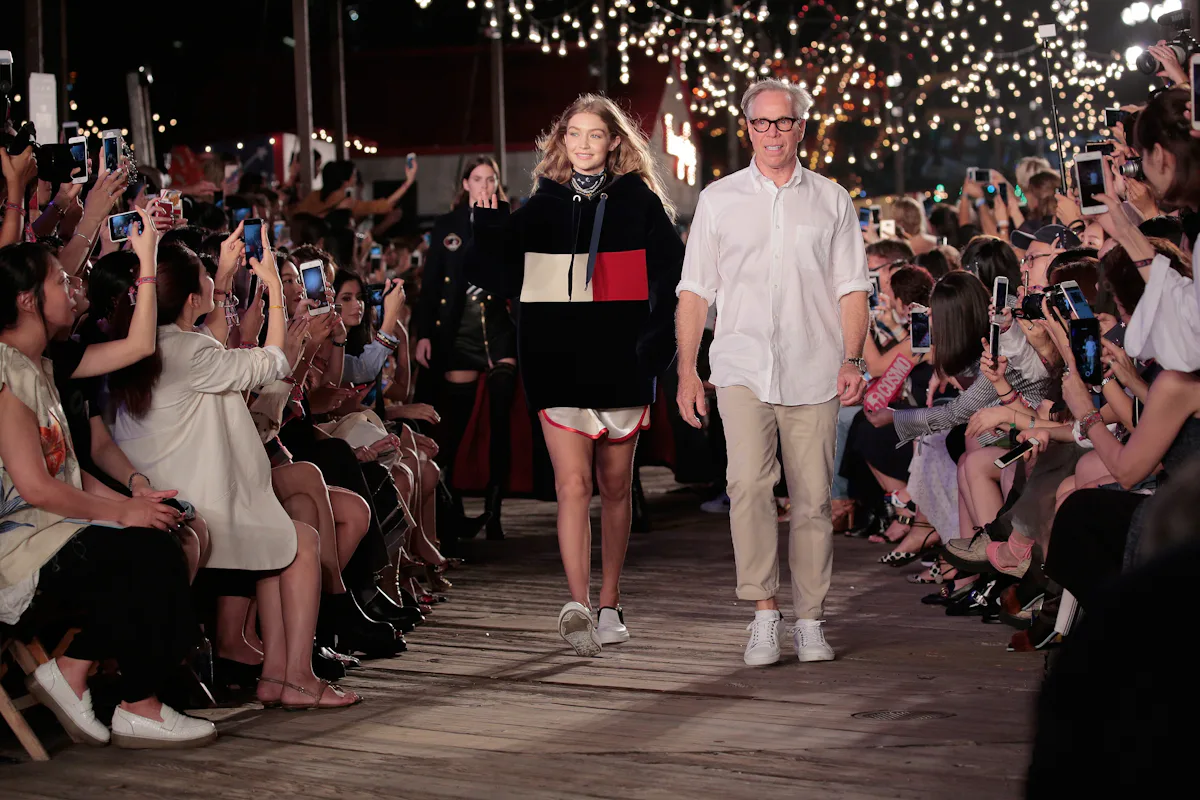
Tommy Hilfiger’s enduring presence at New York Fashion Week isn't merely about spectacle; it’s a testament to the power of consistently cultivating a recognizable, aspirational lifestyle. Before his highly anticipated return to the runway for Spring 2027, revisiting his iconic shows offers a valuable lens through which to examine the evolution of American fashion and the strategic use of celebrity endorsement. The brand’s early embrace of “see now, buy now” felt revolutionary, capitalizing on the immediacy of social media and the desire for instant gratification in a consumer landscape rapidly shifting away from seasonal collections. This approach, coupled with the carefully curated casting that often included A-list celebrities, cemented Hilfiger’s shows as cultural events as much as fashion presentations. It's a strategy that feels particularly relevant given the current trends highlighted in articles like The Bob Isn't Going Anywhere—Here Are 6 Ways to Wear It This Autumn, demonstrating a desire for accessible, adaptable style rather than fleeting trends. The focus on timeless silhouettes and preppy aesthetics, consistently amplified by star power, created a powerful and enduring brand identity.
The brilliance of Hilfiger’s NYFW shows lay not just in the clothes themselves, but in the immersive experience he created. The venues – often transformed to resemble quintessential American settings like Hamptons estates or collegiate campuses – further reinforced the brand’s narrative of effortless, sun-drenched luxury. It wasn't about pushing avant-garde boundaries, but about embodying a specific, relatable ideal of American cool. This aligns with a broader cultural shift towards quiet luxury, a sensibility that prioritizes quality, craftsmanship, and understated elegance over overt displays of wealth. This is a departure from the maximalism that dominated fashion in previous decades and is mirrored in other areas of lifestyle, as evidenced by the appeal of dark and moody aesthetics discussed in I'm Calling It—This Is the Pedicure Colour Fashion Insiders Will Be Wearing in Autumn. Hilfiger’s approach fostered a sense of belonging and aspiration, inviting consumers to participate in a world defined by understated sophistication.
Looking beyond the immediate buzz of the shows, Hilfiger’s legacy lies in his astute understanding of the American consumer. He tapped into a desire for classic, wearable pieces that transcended fleeting trends, building a brand that resonated with a broad audience. While other designers experimented with more conceptual or experimental designs, Hilfiger consistently delivered accessible luxury – a powerful formula that fueled his commercial success. This focus on relatability, however, shouldn’t be mistaken for a lack of innovation. Hilfiger’s ability to adapt to changing cultural landscapes, from embracing streetwear influences to championing diversity on the runway, demonstrates a keen awareness of the evolving fashion ecosystem. The anticipation surrounding his return to NYFW suggests a desire to recapture that magic, but also a recognition that the landscape has shifted significantly. The importance of versatile wardrobe staples is also evident in the ongoing interest in key dress trends, as explored in Nobody Knows It Yet, But These 6 Dress Trends are About to Change Your Entire Wardrobe This Autumn.
Ultimately, Tommy Hilfiger’s iconic NYFW shows represent more than just a series of memorable runway moments; they embody a strategic approach to brand building that prioritized lifestyle, accessibility, and a distinctly American aesthetic. As Hilfiger prepares to rejoin the fashion calendar, the question remains: can he successfully translate the nostalgia and enduring appeal of his past shows into a compelling vision for the future, navigating a world where consumers are increasingly discerning and the definition of “iconic” is constantly being redefined?
If there’s one designer you can count on for a New York Fashion Week spectacle, it’s Tommy Hilfiger. Since launching his namesake brand in 1985, the designer’s collections have maintained their classic feel while toying with prep, equestrian, hip-hop, and rock n’ roll aesthetics. Hilfiger doesn’t show at NYFW every season, but when he does, it’s always the talk of the town. Before Hilfiger’s Fashion Week return, we’re taking a look back at his biggest shows and what made them undeniably iconic.
Hilfiger’s success is closely linked to his innovative spirit, which has remained constant through his brand’s 41 years in fashion. In the ‘90s and 2000s, he was one of the first designers to show collections on the centralized NYFW schedule at Bryant Park (our fingers are still crossed for the tent’s comeback). More recently, his label has broken new ground by experimenting with see-now-buy-now runways, virtual reality, and AI shopping assistance — as well as coordinating designs for customers with disabilities.
The designer has always had his finger on the pulse of music and pop culture across every decade, too. Early Hilfiger catwalks included cameos from “supers” like Naomi Campbell and Kate Moss, and his front rows have always featured celebrities of the moment, from the Hilton and Williams sisters to Taylor Swift (whose appearance at the brand’s Spring 2017 show marked her last-ever Fashion Week). In the 2020s, Hilfiger went on to host massive shows at landmarks like Grand Central Station, Skyline Drive-In, and the South Street Seaport. Given the designer’s ear for music, his runways also often include major performances from acts like The Black Eyed Peas, Wu-Tang Clan, Travis Barker, and more.
Ahead of Hilfiger’s next show, enjoy his most memorable runways over the years.
Spring 1993
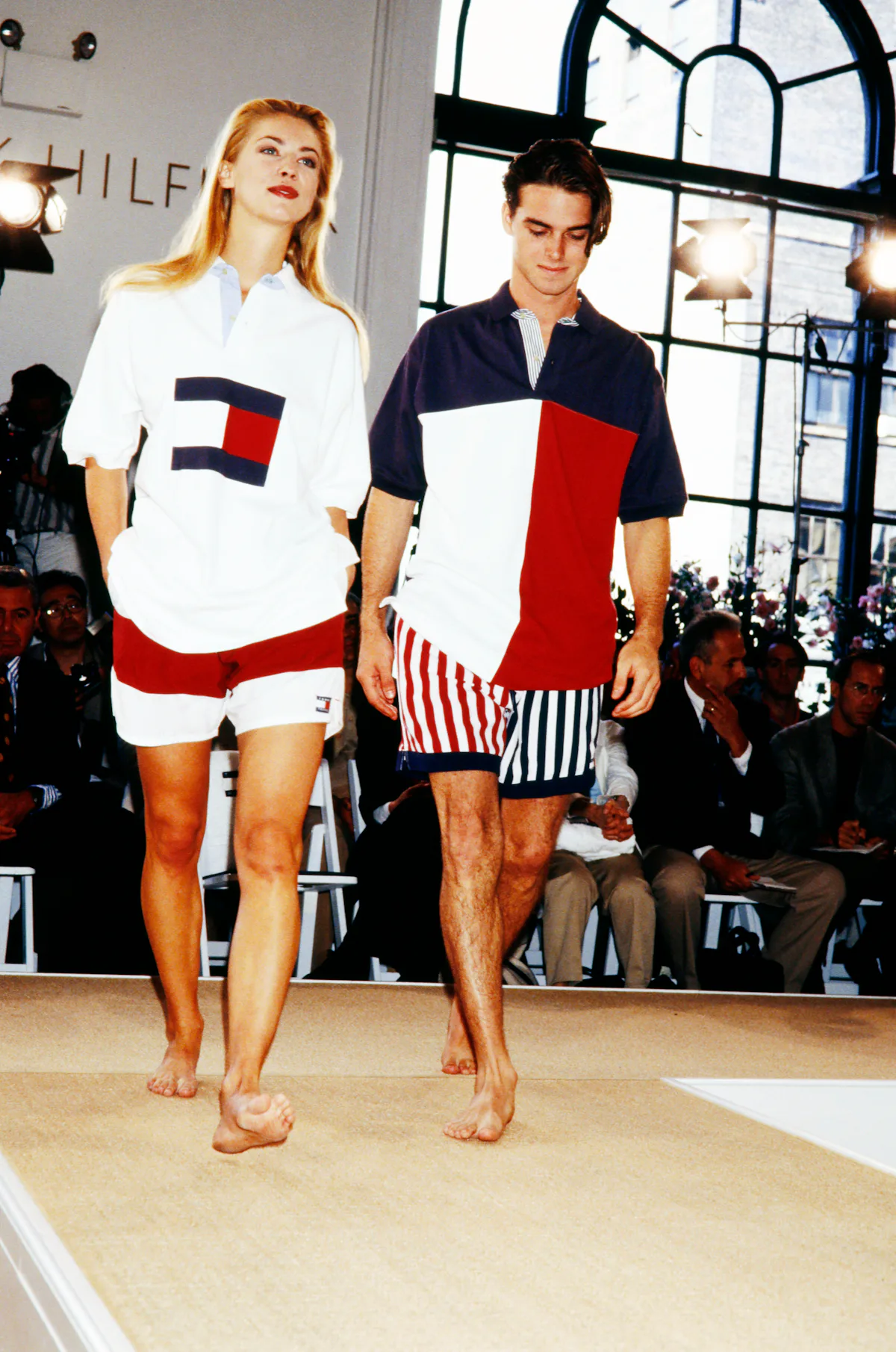
At the first “7th On Sixth” shows in the iconic tents at Bryant Park, Hilfiger showed his Spring 1993 menswear collection with both male and female models. The lineup was pure Hilfiger prep, filled with Cape Cod-worthy button-downs, lightweight suiting, and swim shorts in stripes, checks, and color-blocked hues. Of course, plenty of pieces were accented with Hilfiger’s signature red-and-white flag logo.
Spring 2005
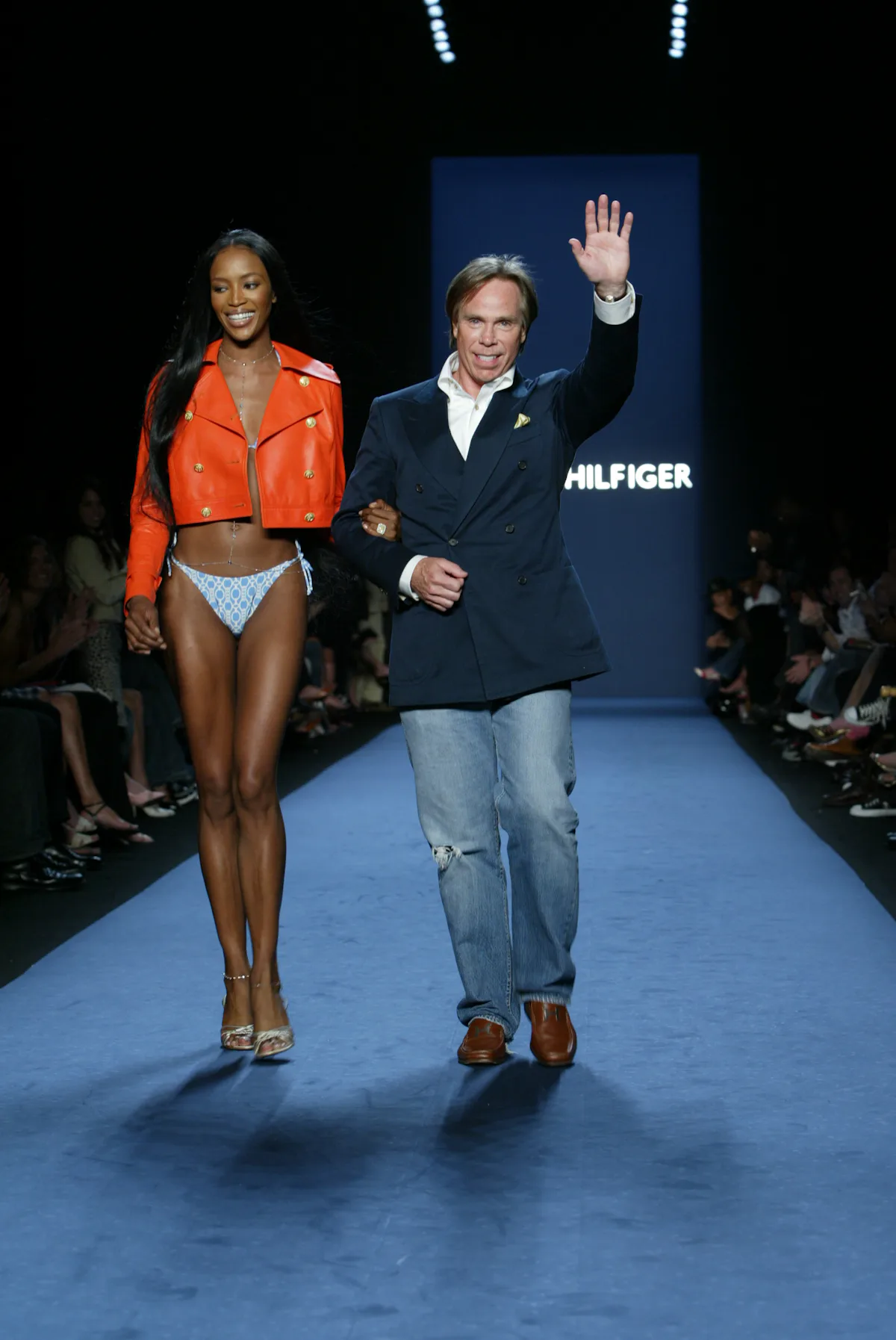
Hilfiger kicked off his brand’s 20th anniversary with a collection of colorful silk and striped looks, and a runway closed by Naomi Campbell. This show included a Black Eyed Peas performance, plus an impressive guest list featuring Jennifer Lopez, Serena and Venus Williams, Janet Jackson, Lil’ Kim, and Nicky Hilton. The occasion was followed by a tour of runways in Shanghai, Tokyo, and Seoul, making September 2004 a major month for the designer.
Spring 2006
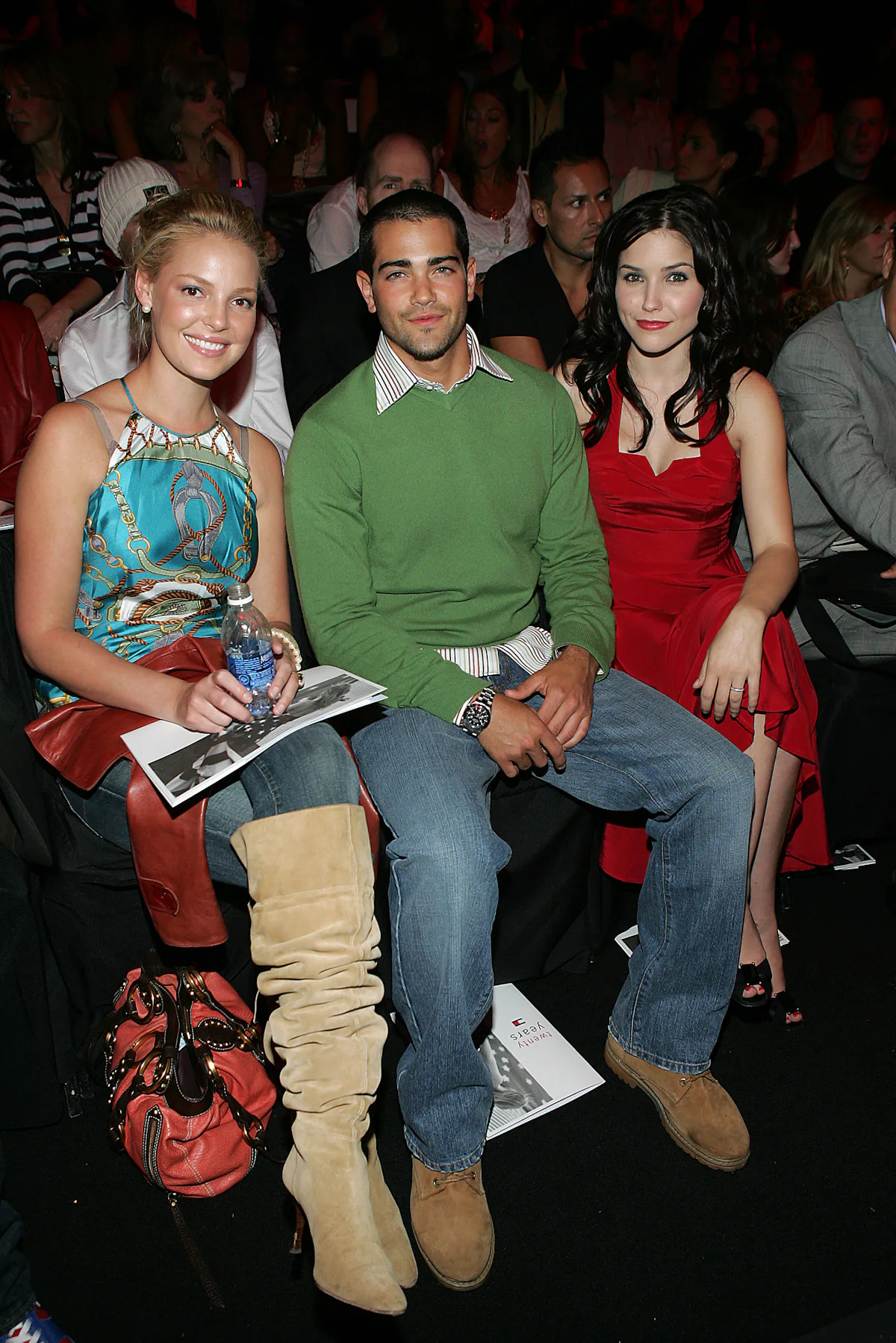
To wrap his 20th anniversary festivities, Hilfiger held his Spring 2006 show in Bryant Park. The September event would result in one of the most popular throwback front row photos, with appearances by Paris Hilton, Sophia Bush, Jesse Metcalfe, Katherine Heigl, Fergie, and Tyson Beckford.
TommyNow Fall 2016
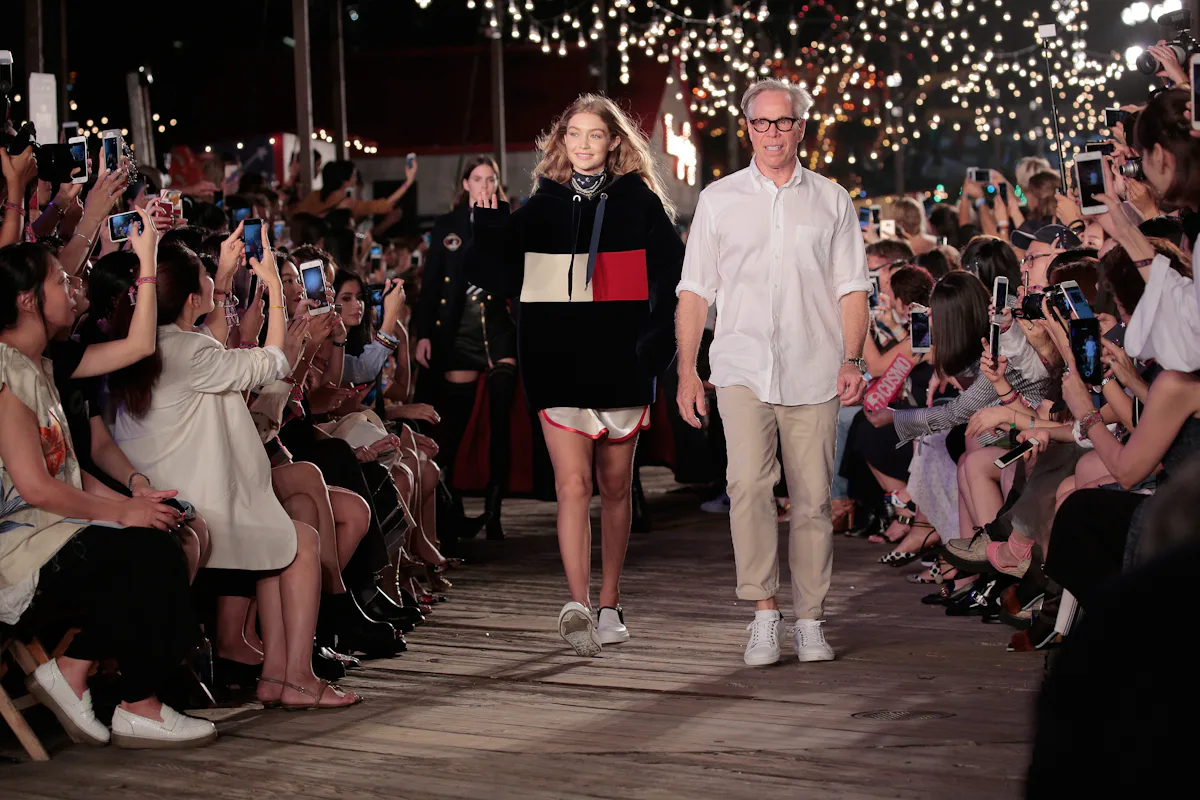
After naming Gigi Hadid as a global ambassador for his brand, Hilfiger launched his TommyNow line with the top model — which was instantly available to shop online and through Instagram. Their first Tommy X Gigi collection debuted with a carnival-themed “Tommy Pier” extravaganza in September 2016. Over 2,000 guests attended the South Street Seaport event, but one went particularly viral: Taylor Swift, who cheered on her best friend from the front row. Hadid and Hilfiger’s collab was so successful that it led to three more capsules shown on runways around the world.
TommyNow Fall 2019
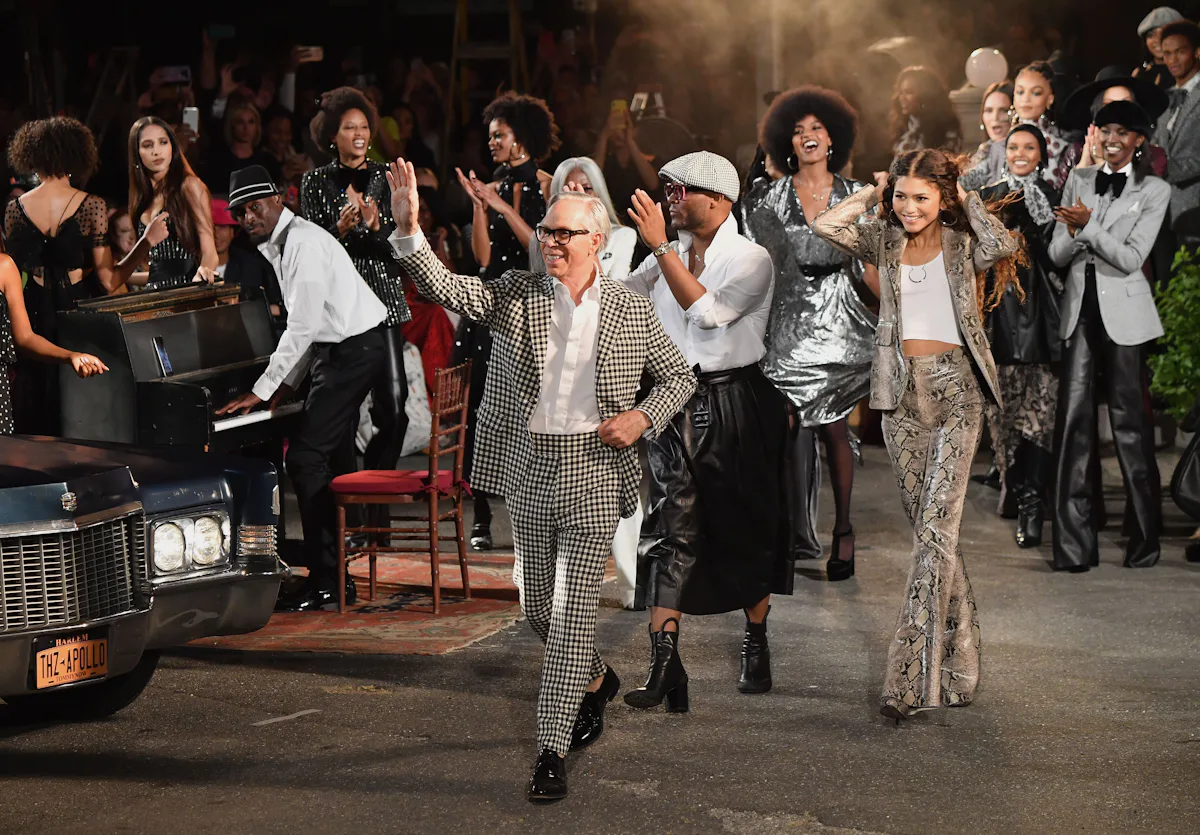
In 2019, Hilfiger’s TommyNow pulled off a massive feat: a fashion collaboration with Zendaya. The pair released their second Tommy x Zendaya capsule with a viral show at Harlem’s Apollo Theater during Fashion Week. Filled with ‘70s-inspired suits, dresses, and tailored coats, the print-heavy show included a performance by none other than Grace Jones. The line sold out days later, proving both Hilfiger and Zendaya’s reliability with fashion-obsessed fans.
TommyNow Fall 2022
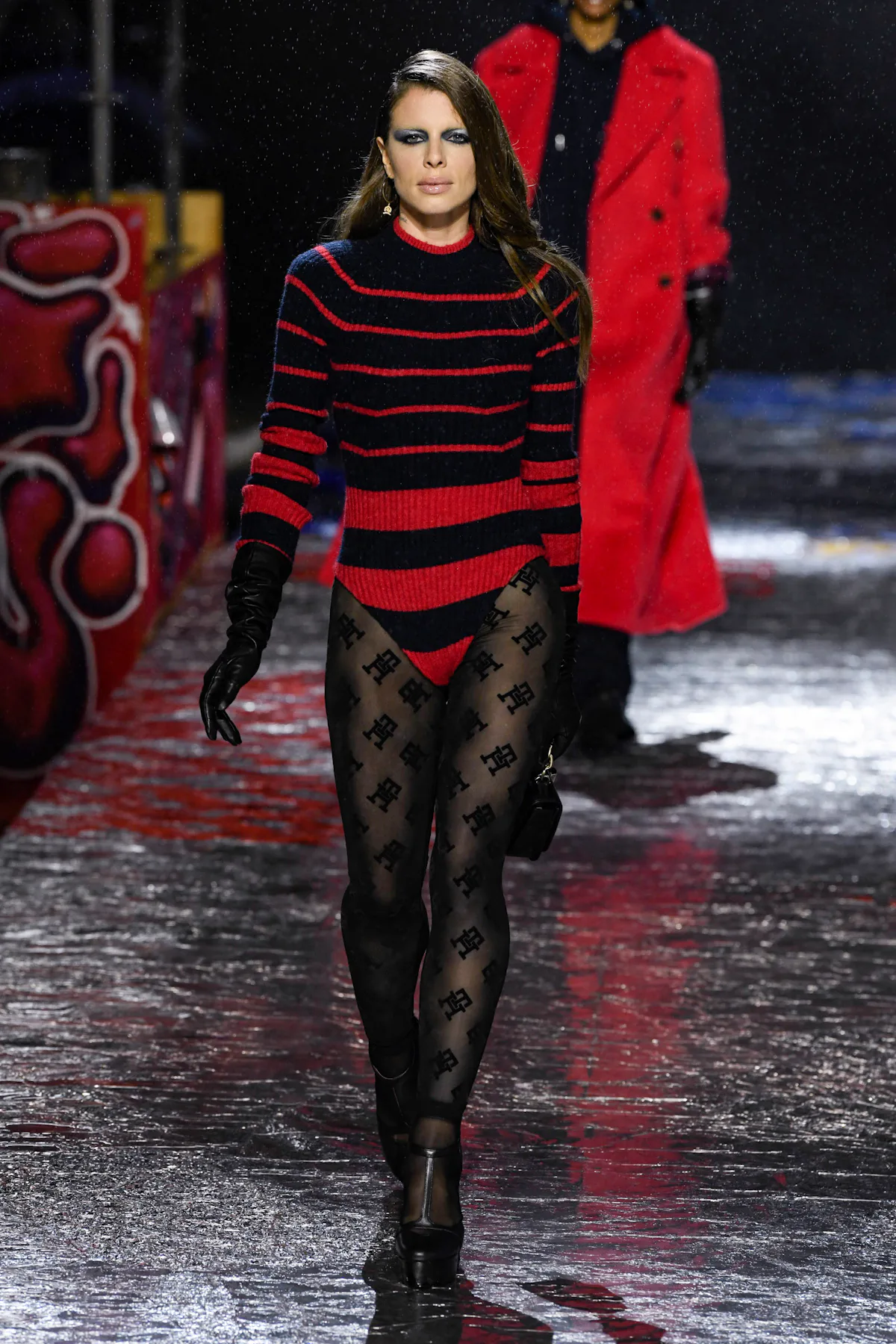
After a three-year break from NYFW, Hilfiger returned with a bang for his Fall 2022 TommyNow collection. Inspired by Andy Warhol’s NYC Factory, the punky “Tommy Factory” show included a Richard Quinn collab and runway cameos by Julia Fox, Winnie Harlow, and Lila Moss. Travis Barker performed for the finale as rain poured on a packed front row at the Skyline Drive-In, which included Kourtney Kardashian, Kris Jenner, Kate Moss, Shawn Mendes, and John Legend.
Spring 2025
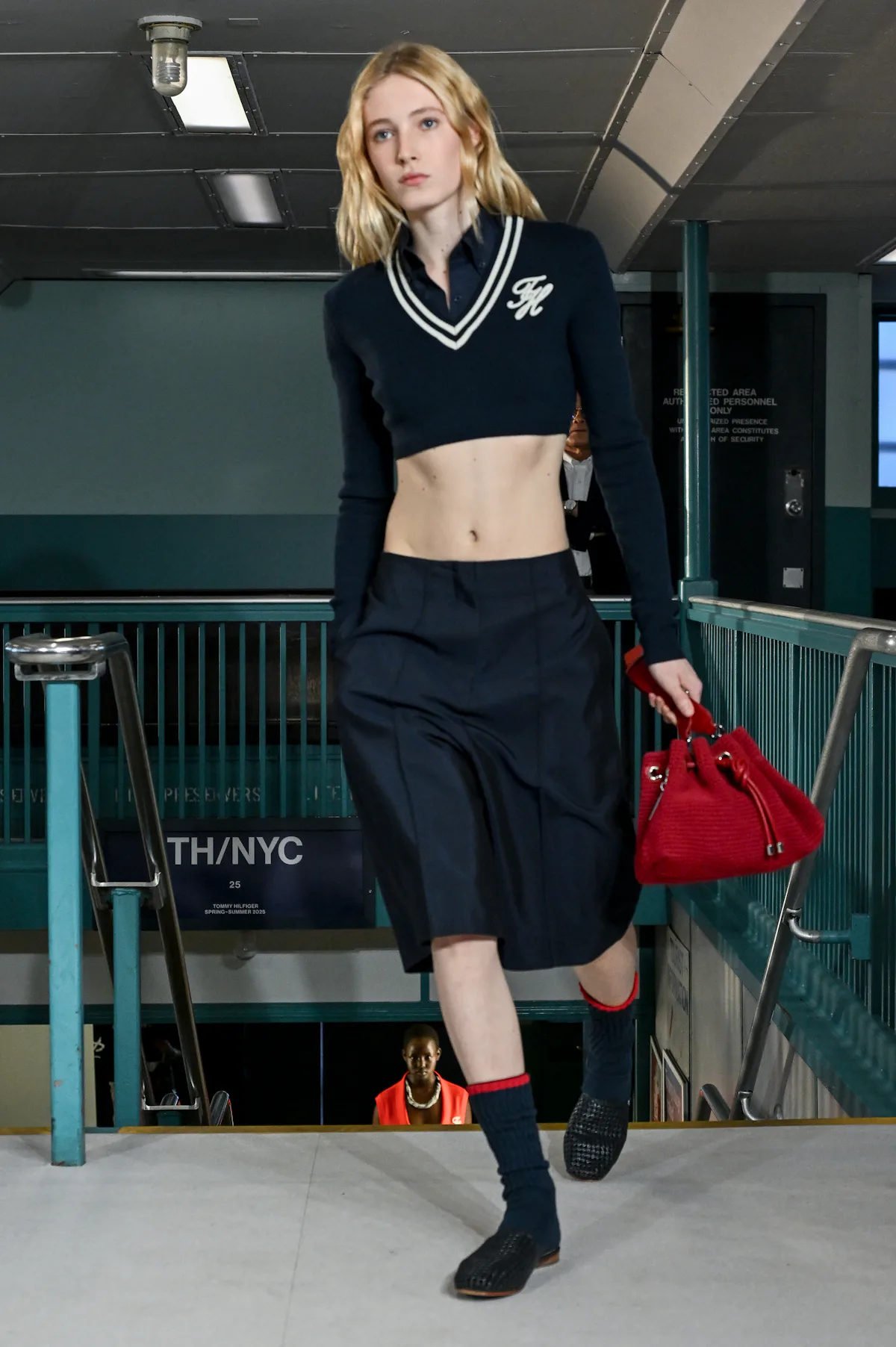
In September 2024, Hilfiger used the decommissioned Staten Island Ferry, owned by Pete Davidson and Colin Jost, as his Spring 2025 runway. The nautical collection was seen by packed benches of stars including Doechii, Patrick Schwarzenegger, Jisoo, Tinashe, Stray Kids’ Felix and Lee Know, and Outer Banks stars Madelyn Cline and Madison Bailey. Hilfiger’s show closed with a Wu-Tang Clan performance, plus treats of pretzels, hot dogs, and caramel corn for guests.
Read on the original site
Open the publisher's page for the full experience