Trinity Tatum's Crop Top, Elle Fanning's Crystal Bag, and More Celeb Front-Row Looks
Our take
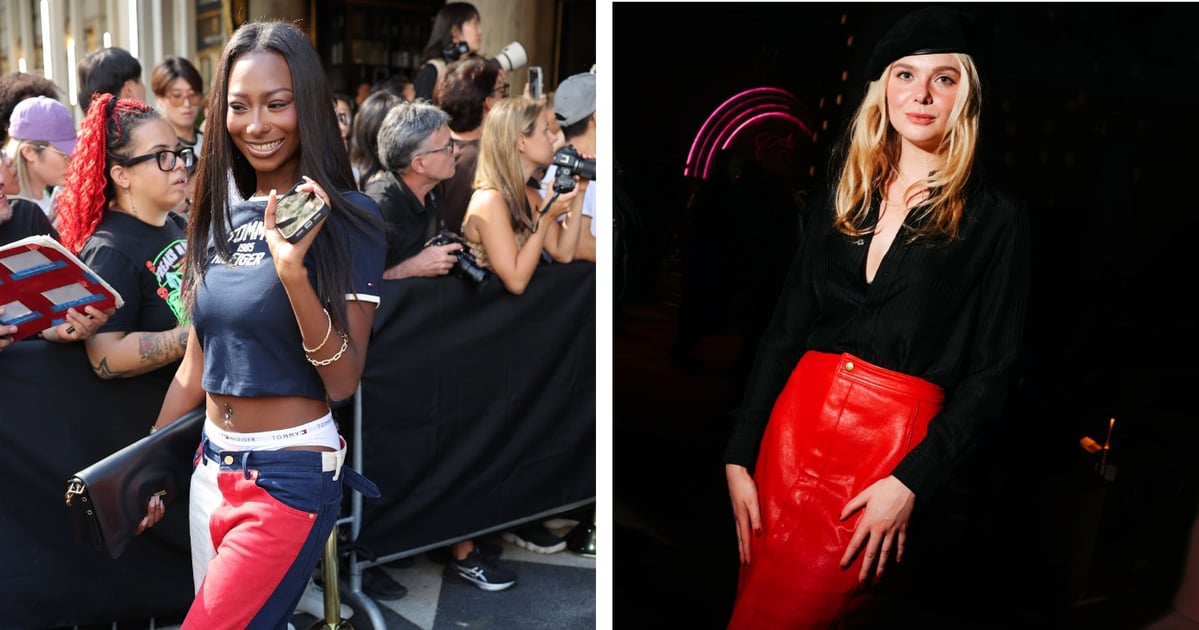
The relentless churn of Fashion Week front-row appearances—Trinity Tatum’s crop top, Elle Fanning’s crystal bag—can feel like a dizzying spectacle of brand logos and fleeting trends. While the visual stimulation is undeniable, it’s increasingly important to consider what these celebrity endorsements *truly* represent, and whether they align with a more considered approach to style. We’ve seen a growing conversation around the performative nature of fashion, exemplified by Gabriella Karefa-Johnson’s call for the industry to look beyond the front row for style inspiration Gabriella Karefa-Johnson Wants Fashion to Look Beyond the Front Row for Style Inspiration, a sentiment that resonates deeply with a desire for authenticity and less overt branding. The current landscape demands a shift from simply *wearing* designer clothes to embodying a more nuanced and personal style narrative.
The celebrity front row has always been a powerful marketing tool, but the era of blindly chasing celebrity aesthetics feels like it's subtly fading. Consumers, particularly those drawn to a quieter, more refined aesthetic, are seeking a deeper connection with the brands they choose to support. Dakota Johnson’s recent appearance in a Toteme t-shirt dress Dakota Johnson Styles the Perfect One-and-Done T-Shirt Dress from Toteme for a 'Verity' Appearance, a brand favored for its understated elegance, exemplifies this shift. It’s not about shouting the brand name from the rooftops; it’s about integrating the piece seamlessly into a considered personal style. This echoes the broader trend of “quiet luxury” – a rejection of ostentatious displays of wealth in favor of timeless pieces and impeccable tailoring – and suggests a move away from fleeting trends towards enduring style. The viral street-style trends our editors wore to Fashion Week The Viral Street-Style Trends Our Editors Wore to Fashion Week demonstrates how trends themselves are being consumed and interpreted with more discernment, often adapted and personalized rather than replicated wholesale.
This isn’t to say that celebrity endorsements are becoming irrelevant, but their impact is evolving. The most effective endorsements are those where the celebrity’s personal style genuinely aligns with the brand’s ethos and aesthetic. The days of simply being paid to wear a garment are numbered; consumers are increasingly sophisticated and can detect inauthenticity. They crave a sense of connection and shared values, and they’re more likely to be influenced by celebrities who project a sense of effortless style and self-assuredness rather than a constant parade of designer logos. It’s about the *feeling* a look evokes, the story it tells, rather than the price tag attached. The front row is becoming less about showcasing the latest trends and more about showcasing a curated lifestyle, a carefully constructed image of personal style.
Ultimately, the focus is shifting from the spectacle of the front row to the substance of individual style. The rise of the “modern muse” – someone who embodies a refined aesthetic and a sense of self-assuredness – is reshaping how we perceive and consume fashion. The question now is: will the industry fully embrace this shift, moving beyond the performative nature of celebrity endorsements and prioritizing genuine style narratives that resonate with a more discerning audience? Or will the allure of the flashing camera and the designer logo prove too powerful to resist?
Read on the original site
Open the publisher's page for the full experience