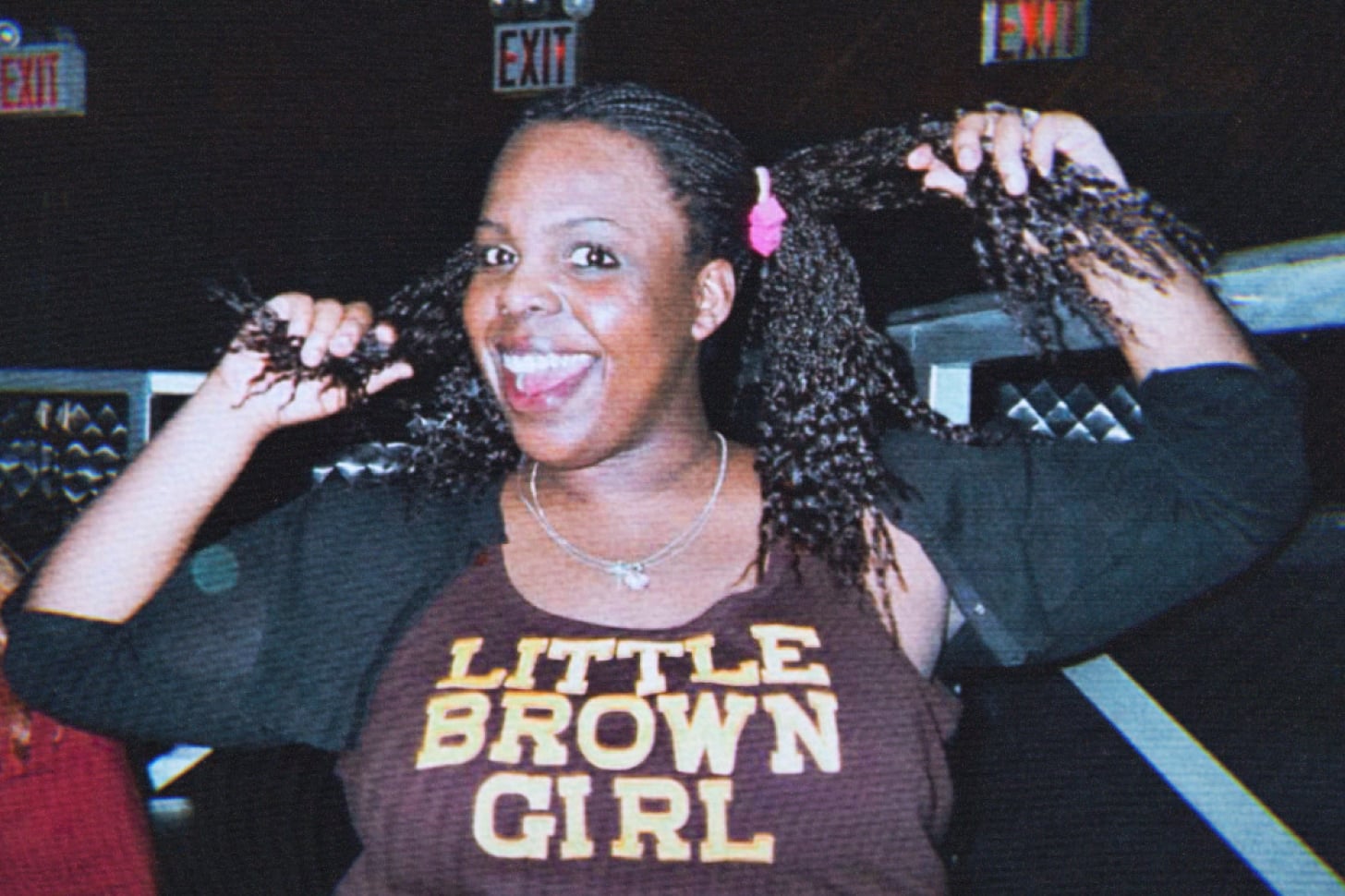
Twenty years is a long time to hold a mirror up to yourself and decide, finally, that you like what you see. As we look back on the body positivity movement through this reflection, we are struck not by how much has changed in fashion or media, but by how much the internal conversation has evolved. The "Aughts Effect" is often discussed in terms of trends, but this story reminds us that the most enduring culture shift is the one happening quietly within. It is no longer about the loud, performative declaration of rebellion against a sample size; it is about the soft, steady breath of acceptance that comes from being comfortable in your own skin. For our readers, this is the quiet luxury of selfhood, a space where confidence is not worn for an audience but felt in solitude.
This editorial feels like a natural counterpart to the other stories moving through our feed this week. We see the same intentionality in J.Lo trades her signature bodysuit for tailored ease in Milan, where the superstar chooses ease over exposure, proving that power is not in the silhouette but in the woman who fills it. Similarly, The quiet-luxury shade replacing the classic neutrals you own and Katie Holmes's Milan Look Finds Quiet Perfection in a Single Bag speak to a broader cultural appetite for restraint. These pieces are not about hiding; they are about editing. The connection is clear: just as we edit our closets to reflect a more refined aesthetic, we edit our self-talk to reflect a more forgiving truth. Body positivity, in its most mature form, is not about loving every inch of yourself every day; it is about the quiet refusal to let your worth be measured by a number on a tag.
Our honest take is that the movement's next frontier is not acceptance, but neutrality. We have spent two decades telling women to love their bodies, and while that is noble, it can feel like just another assignment to fail on a low day. What this reflection offers is permission to simply be. It is the difference between a passionate pep talk and a knowing glance. If a reader asked us what to take away from this anniversary, we would tell her this: stop trying to reach a state of constant adoration. Instead, aim for the quiet confidence of a woman who walks into a room without apologizing for the space she occupies. That is the true "Aughts Effect", the realization that the most radical thing you can wear is your own ease.
The question that lingers is not whether the movement has succeeded, but what comes next. As we watch icons like J.Lo trade the stage for the street and Katie Holmes find perfection in a single bag, we see a culture evolving toward a quieter, more personal definition of beauty. The concrete point to watch is whether our own daily rituals will follow. Will we extend the same grace to ourselves that we give to a well-tailored blazer? The next twenty years will tell, but the mirror is already starting to soften.