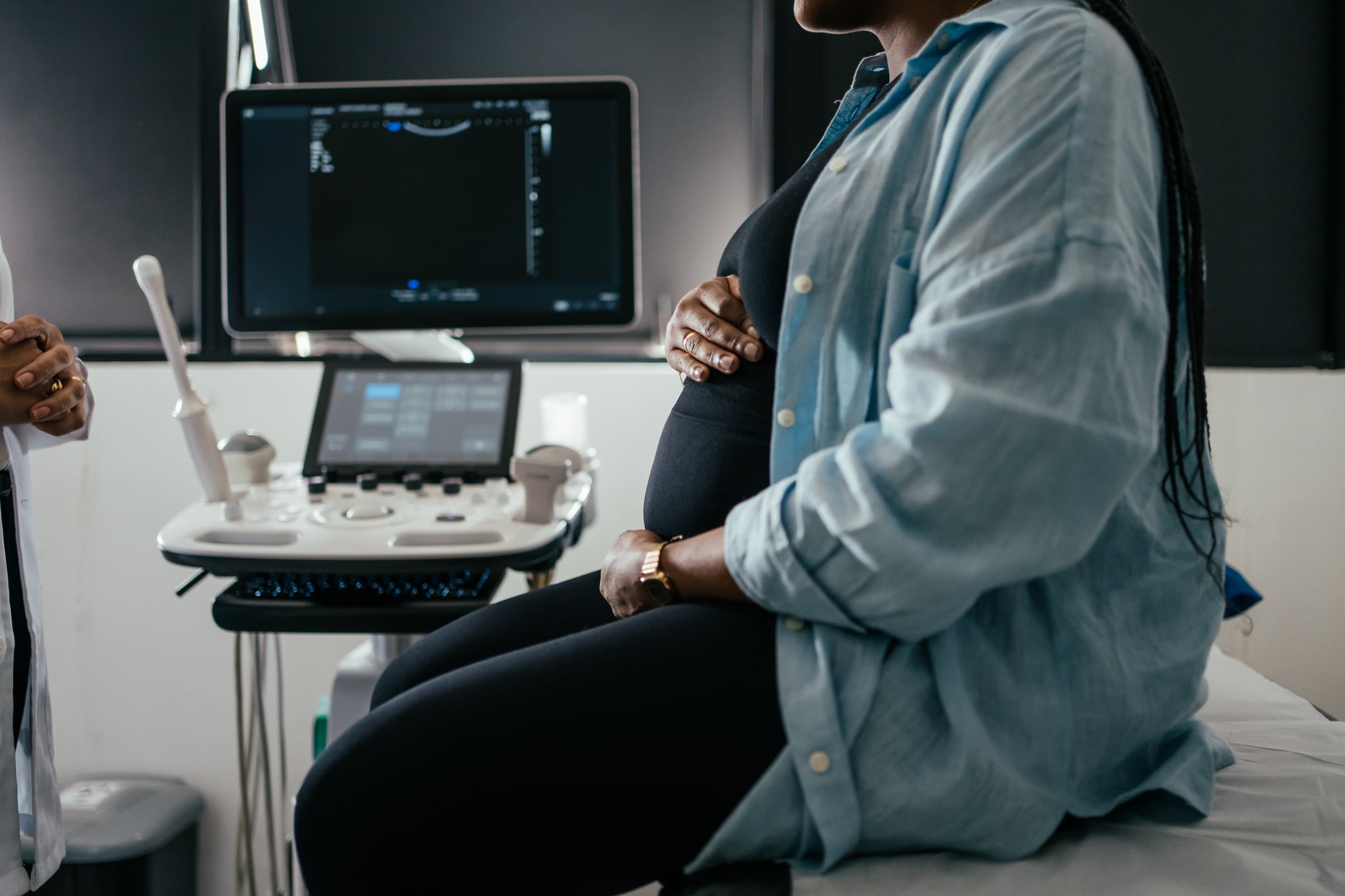
There is a particular stillness that arrives with unwanted news, a hush that settles over a hotel room in Reno as the morning light spills across unfamiliar sheets. The discovery of a lump while pregnant is not a plot twist anyone scripts. It is the collision of two profound chapters, each demanding presence in ways that feel almost cruel in their simultaneity. Chiara Bransi's voice has always lived in the quiet spaces, the moments where feeling outweighs explaining. This story, though it belongs to another woman, carries that same resonance. It is not about fear alone, but about the strange grace of finding yourself at the intersection of life and uncertainty, holding both without looking away.
We have written before about the power of stillness, as when Finding Stillness: Kate's Return and the Healing Power of Photography traced a royal's quiet re-entry after illness, and about the soft poetry of expectation in Italian Grace: Alexandra Leclerc’s Dress, a Love Story. Those pieces understood that the most intimate moments rarely need amplification. They need witnessing. This narrative, unfolding in a Reno hotel room, asks us to witness something similarly raw. The lump is found by a woman who describes herself as small-chested, a detail that feels less like medical history and more like an admission of vulnerability. She did not ask for this complication. None of them do. Yet here she is, navigating prenatal appointments and oncology consults in the same breath, embodying a strength that does not roar but simply endures.
What strikes us is the restraint in the telling. There is no dramatic language, no plea for sympathy. The hotel room, the morning, the discovery: it is all presented with a quiet clarity that mirrors how such moments actually feel. Disorienting, yes, but also strangely focused. When a reader comes to us asking what they should take from this, our answer is not about the medical specifics, which remain private and rightly so. It is about the emotional architecture. This woman is not performing courage. She is simply continuing, which is its own form of bravery. For our readers who may be facing their own unexpected arrivals, whether a diagnosis, a pregnancy, or the collision of both, the takeaway is this: you do not need to have the right words or the perfect response. You only need to keep waking up, keep feeling, keep allowing yourself to be both terrified and hopeful in the same hour. That is not weakness. That is the quietest kind of power.
The practical consequence of this story, the one we will be watching, is how she integrates these two identities. The mother-to-be and the patient are not separate people. They share the same body, the same heartbeat, the same future. And while the medical journey will unfold with its own timeline, the emotional one is hers to shape. We would tell any reader who asks: let this be permission to hold complexity without rushing to resolve it. You can be celebrating a life growing inside you while also confronting your own mortality. Those truths do not cancel each other out. They simply ask you to become larger, more spacious, more willing to sit in the unknown. The lump in Reno was found in a hotel room, but the story it begins is one that will follow her far beyond those walls. What she does with it, how she carries it, that is the detail worth watching. Because grace is not about avoiding the difficult. It is about moving through it with your eyes open, refusing to look away, and discovering that you are still here, still soft, still unbroken.