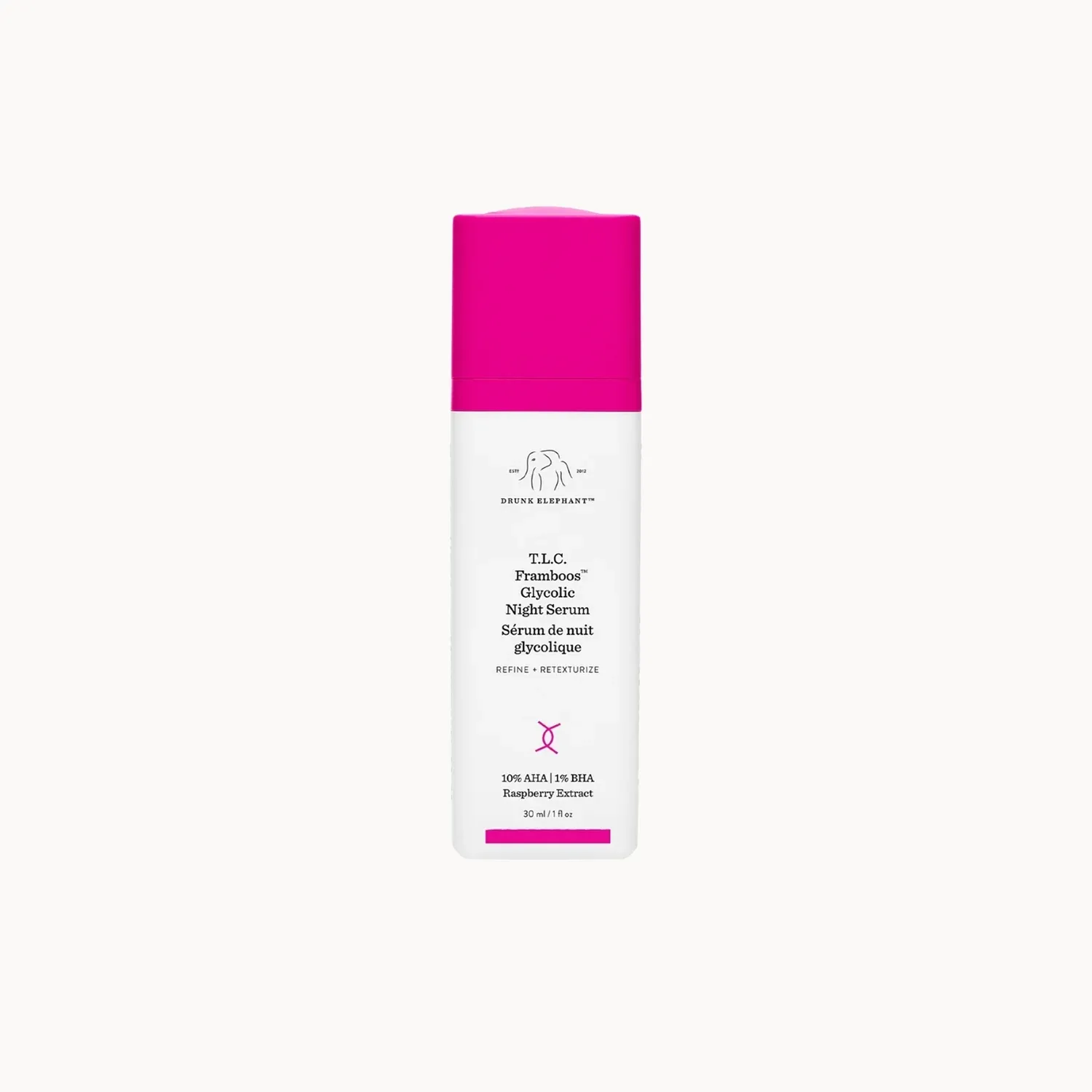
There is a particular kind of confidence that comes from admitting you were wrong. The beauty editor in this story does exactly that, confessing that her default stance toward any serum claiming to "rival" an in-clinic facial is healthy skepticism. We understand that reflex completely. The industry runs on hyperbole, and we have all learned to filter out the noise. But her willingness to engage with the product, to test it against her own known skin frustrations, is where the story becomes less about a miracle in a bottle and more about recalibrating expectations. It is a quiet reminder that efficacy is not about loud promises but about the quiet, consistent work a formula does over time.
This piece arrives at a moment when our own editorial lens is shifting toward the intentional. We are curating wardrobes with The Quiet Edit: 26 Pieces Our Editors Are Wearing Now and exploring how Intentional Color: The Makeup That Elevates, Not Overpowers fits into a larger philosophy of restraint. The connection is not about the products themselves, but about the underlying principle: nothing transformative happens without a clear, focused approach. Just as a wardrobe edit asks you to consider what earns a place in your rotation, this serum asks you to reconsider what you accept as a skin barrier. The editor's initial doubt is our doubt, and her eventual shift in perspective feels less like a sales pitch and more like a trusted friend sharing a hard-won discovery.
What resonates most is the emotional subtext beneath the technical claims. She is not just talking about pores and texture; she is talking about the feeling of wanting to look like yourself, only more refined. That is a deeply personal aspiration. We would tell any reader who asks about this that the real takeaway is not to abandon skepticism, but to aim it more precisely. Ask not whether a product can perform a miracle, but whether it can address your specific, stated concerns with consistency. The editor's path suggests that the answer often lies in the details, in the texture of the formula, in how it sits under the skin, and in the patience to let it work. It is a more grounded form of luxury, one that values results over ritual, though the ritual itself can be a form of self-care.
The specific consequence to watch here is whether the industry follows suit. If a serum can genuinely deliver a fraction of what a professional facial offers, the onus shifts back to us as consumers to demand that level of honesty from every product we invest in. That is the standard we should hold, not just for serums, but for every piece of our routine. The true luxury is not in the claim of a shortcut, but in the confidence of a product that does exactly what it says, without needing to shout. That is the only kind of radiance worth unlocking.