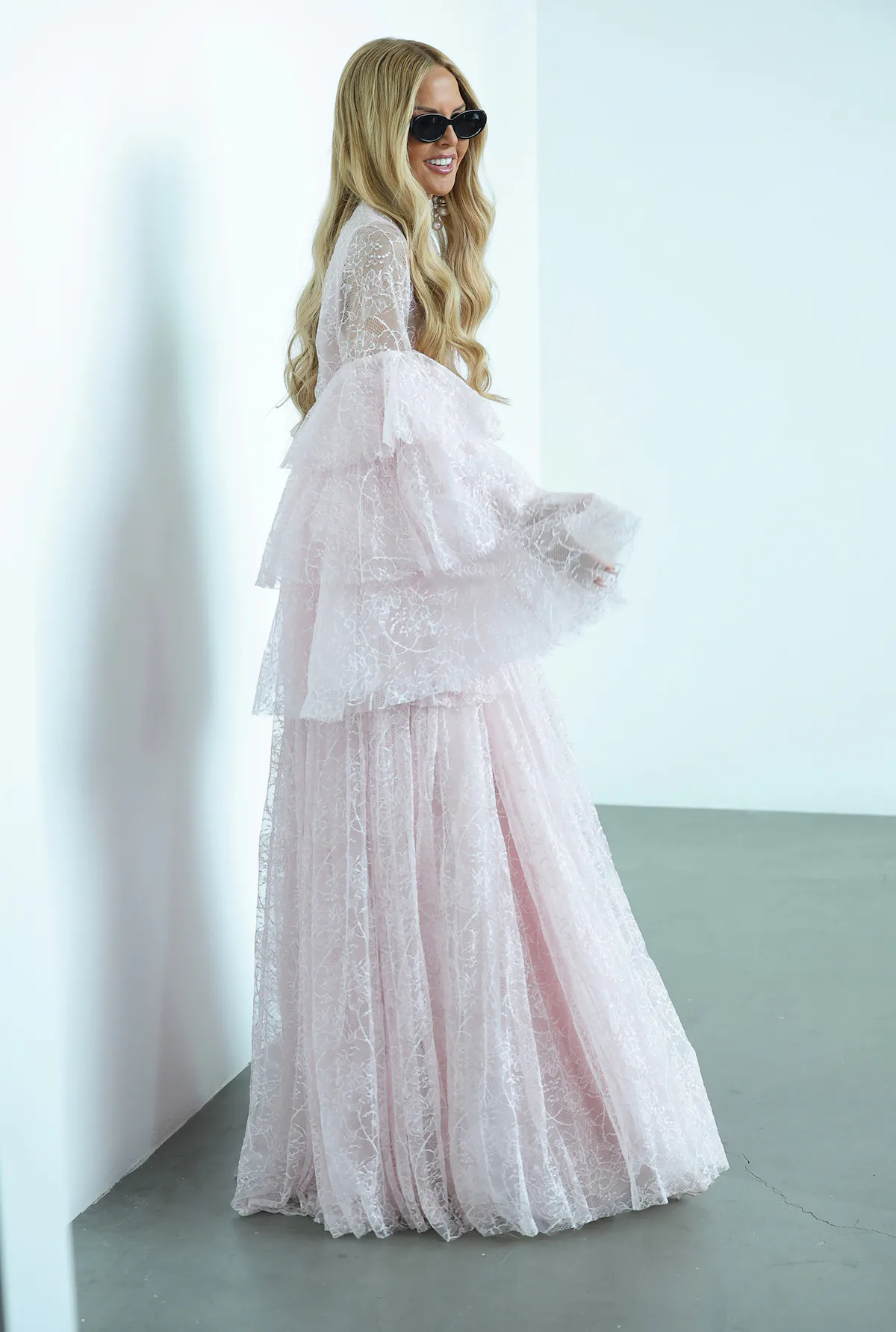
The beauty industry thrives on storytelling, and Rachel Zoe's recent Essie campaign shoot, detailed in Bustle, exemplifies this brilliantly. Zoe's role as Essie’s first-ever Chief Color Director isn't just a title; it's a curatorial position, charged with translating the brand’s essence into compelling visual narratives. The creation of *Vogue*'s Museum of Polished Color exhibition specifically for this campaign underscores the deliberate effort to elevate nail polish beyond a simple cosmetic product and position it as a vehicle for artistic expression and personal narrative. This approach resonates deeply with a consumer base increasingly seeking brands that offer more than just functionality – they crave experiences and a sense of shared aesthetic values. It’s a strategic shift mirroring broader trends in luxury marketing, moving away from overt displays of wealth toward nuanced expressions of taste and individuality, something we’ve seen explored in campaigns like [J.Crew's Camp Crew Campaign Brings Summer Camp Vibes To Life], which leverages nostalgia and relatable imagery to connect with its audience.
The concept of "Color With A Reputation" itself is intriguing, suggesting a connection between specific shades and distinct personalities or moments in time. By situating Zoe within this carefully constructed exhibition, Essie isn't just showcasing the polish; it’s presenting a lifestyle and a curated world. This aligns with the growing influence of celebrity stylists and image architects – individuals who shape not only individual appearances but also broader cultural trends. The visual storytelling aspect is also reminiscent of how Pharrell Williams partnered with Moët & Chandon to [Pharrell Williams and Moët & Chandon Reimagined Summer In Saint Tropez], demonstrating a powerful fusion of brand identity and artistic vision. The behind-the-scenes look offered by Zoe provides a glimpse into the meticulous planning and creative direction that goes into crafting these seemingly effortless campaigns, reinforcing the perception of polish as a carefully considered element of a complete aesthetic. It’s a shift from simply selling color to selling a feeling, a mood, a very specific point of view.
The success of this approach lies in its subtlety and sophistication. Zoe's own personal brand – synonymous with classic Hollywood glamour and impeccable style – lends instant credibility to the campaign. The absence of aggressive sales pitches and the focus on the visual narrative reinforces a sense of quiet luxury, a characteristic increasingly valued by discerning consumers. This resonates deeply with a generation fatigued by overt consumerism and seeking authenticity and meaning in their purchases. The deliberate curation of the environment, the lighting, and the overall aesthetic all work together to create a cohesive and aspirational image. It’s not about shouting the loudest; it's about creating a world that draws the viewer in and invites them to participate in a shared aesthetic experience. We can see echoes of this attention to detail in how celebrities like Kerry Washington have used their red carpet appearances to [Kerry Washington’s Curls Were Pure Disco Diva At The Gotham TV Awards], transforming a simple hairstyle into a powerful cultural statement.
Ultimately, Essie's collaboration with Rachel Zoe represents a savvy understanding of the evolving landscape of beauty marketing. The focus on visual storytelling, the elevation of nail polish to an art form, and the leveraging of a credible stylist’s personal brand are all indicative of a broader trend toward more nuanced and emotionally resonant campaigns. The question now becomes: how will other brands adapt to this shift, and will they be able to replicate the success of Essie’s “Color With A Reputation” campaign in their own unique ways? The future of beauty marketing may well depend on the ability to craft compelling narratives that resonate with consumers on a deeper, more emotional level.