When a Pro Athlete Gets Breast Cancer at 29, Nothing Makes Sense
Our take
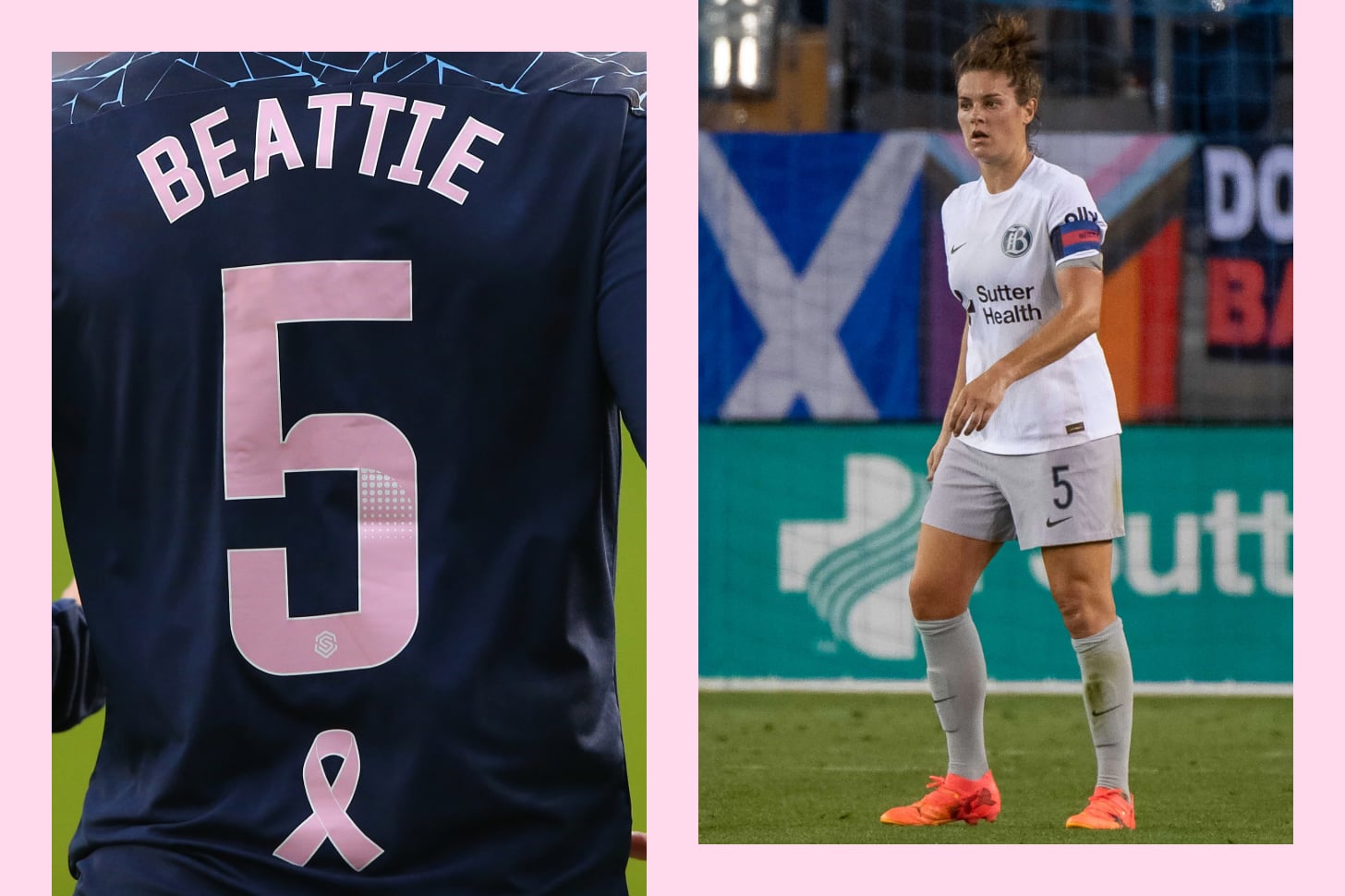
The news of Jen Beattie’s breast cancer diagnosis at just 29 years old reverberates far beyond the soccer field, striking a particularly poignant chord within the sports world and beyond. While athletes facing health challenges isn't unprecedented, the timing and the sheer intensity of Beattie's dedication to her craft – a seasoned professional at the peak of her career – create a narrative of jarring disruption. It underscores the uncomfortable truth that illness doesn't discriminate, impacting individuals regardless of their achievements or perceived invincibility. This isn’t just a story about one player; it’s a reflection of the vulnerabilities inherent in the human experience, a message that resonates deeply with anyone who has faced unexpected adversity. The conversation surrounding athlete health is evolving, as highlighted in recent pieces like The Athletic's look at mental health in women's sports, and Beattie’s story adds another layer of complexity to that discussion, forcing us to acknowledge the physical toll alongside the emotional and psychological pressures. Further exploration of athlete health and wellbeing can be found in this article by ESPN on preventative healthcare for athletes.
The emotional weight of this situation is amplified by the cultural context surrounding female athletes. Historically, women in sports have faced systemic undervaluation and scrutiny, their strength and resilience often minimized or even questioned. Beattie’s openness about her diagnosis, and the outpouring of support she’s received, can be seen as a testament to the growing awareness and solidarity within the sports community. There’s a subtle shift happening – a move away from the expectation of unwavering perfection and towards a more compassionate understanding of the challenges athletes face, both on and off the field. This diagnosis, while devastating, can potentially contribute to a more normalized conversation about health concerns among female athletes, encouraging earlier detection and preventative measures. It's a reminder that even the most accomplished individuals are not immune to life’s uncertainties, and that vulnerability can be a source of strength and connection.
Beyond the immediate impact on Beattie and her team, this news serves as a crucial catalyst for a broader examination of healthcare access and support for professional athletes. While top-tier teams often have robust medical staff, the support systems for players in lower leagues or those transitioning out of professional sports can be significantly lacking. Beattie’s case highlights the importance of comprehensive healthcare coverage and mental health resources for all athletes, regardless of their status or salary. It prompts us to consider the long-term implications of athletic careers on physical and mental wellbeing, and to advocate for policies that prioritize athlete health beyond performance metrics. The conversation needs to extend beyond the elite level, ensuring that all athletes, at all stages of their careers, receive the care and support they deserve.
Ultimately, Jen Beattie’s story is one of resilience, courage, and the enduring power of community. While the road ahead will undoubtedly be challenging, her openness and strength are an inspiration to countless individuals. The question now becomes: how will this experience shape the future of athlete healthcare, and will it lead to meaningful systemic changes that prioritize the wellbeing of all athletes, not just the most visible stars? It's a conversation we must continue to have, ensuring that athletes are supported not just for their performance, but for their health and humanity.
Jen Beattie is a footballer to her core. She's played for club teams like Bay FC, Manchester City, and Arsenal over the last decade. But her football career began with the Scottish Women's Premier League at just 15 years old. So when she was diagnosed with breast cancer in her late 20s, the thought of her soccer career coming to halt was "traumatic," Beattie tells Popsugar.
"I was 29 with no family history. It caught me completely out the blue," she says. Beattie was initially diagnosed after discovering a lump under her breast in October 2020. She told the Arsenal doctor at the time who referred her to a specialist for a biopsy and Beattie's stage 1 diagnosis was confirmed.
The entire experience felt foreign to her, Beattie says. "We're so accustomed to normal athlete injuries. You hurt your hamstring and you get an MRI, and you get told exactly what it is and how long it's going to take to rehab." With breast cancer, nothing felt intuitive. "I had no education," Beattie says. "I didn't really even know what a mammogram was or what the machine looked like or [what] a biopsy was," Beattie says.
Fortunately, her cancer care team allowed the Arsenal team doctor to attend appointments and treatments to take notes and relay the information to family, while her manager informed the team of Beattie's diagnosis.
"My teammates were absolutely incredible. They're the ones that got me through it. They're the ones that allowed me to talk about it when I needed to, or to just be Jen the footballer on different days. And for me, that was amazing mentally to just be able to still do my job for a large majority of the treatment," Beattie says.
The soccer star trained and played up until her lumpectomy, then she was out for about six weeks after surgery and had two weeks of radiation. "Getting outside every day and getting to run around and do my job helped in so many different ways, physically and mentally. It helped me just feel normal and escape from what I was going through."
"When you're going through something hard and your brain spirals to the worst-case scenario, it's so important to kind of keep it on track."
Beattie also started cancer-specific talk therapy during treatment and continued for six months afterward. Doing so helped her process some of the negative self-talk that would come up regarding success of the treatment, recurrence, etc. "To remain logical in that time was one of the most difficult things," Beattie says. The therapy she did was useful in keeping her thoughts grounded. "When you're going through something hard and your brain spirals to the worst-case scenario, it's so important to kind of keep it on track. So I found [therapy] to be massive," Beattie says.
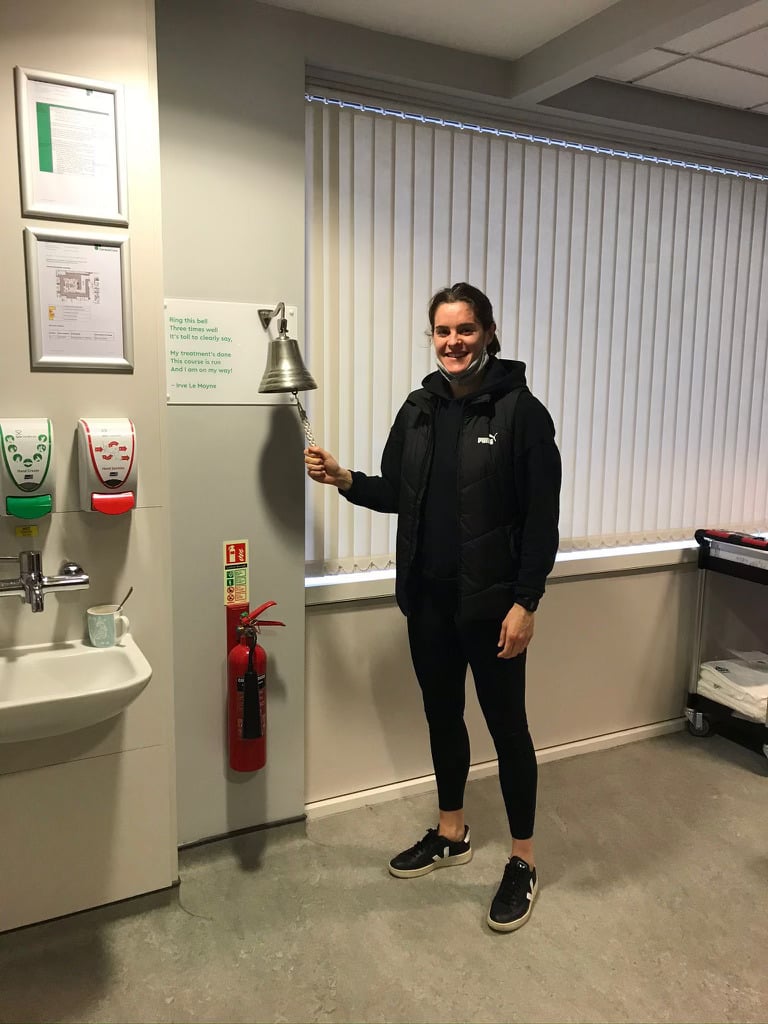 Once Beattie got a grip on her own reality, she turned outward to see how she could help others cope and learn more about breast cancer and the possibilities of early-age diagnosis through organizations like Pink Ribbon Good.
"I've done a few walk and talks with patients that are going through treatment, where we go for walks outside to understand the health benefit of getting outdoors and walking and talking to your friends, and how much that can help offload some really tough stuff that's going on upstairs," Beattie says.
She's also been adamant about educating her teammates on the power of breast education. Prior to retiring, Beattie partnered with Sutter Health to bring a portable mammogram van and a team of nurses to give a breast health 101 talk for Bay FC players. "They got a tour of the mammogram van, and just saw that what the machine was like, so that nothing's overwhelming. So that if and when they ever do need to go for a check or a routine checkup or a mammogram, they know what to expect," Beattie says.
Ultimately, "it's all one big learning curve" due to gaps in the education system, especially around early-age breast cancer and how to spot the signs, Beattie says. "It's such an important piece that we need to get in schools and to kids from an early age, because we as adults still don't know enough."
Alexis Jones (she/her) is the section lead of the health and fitness verticals at Popsugar, overseeing coverage across the website, social media, and newsletters. In her eight-plus years of editorial experience, Alexis has developed passions for and expertise in mental health, women's health and fitness, racial and ethnic disparities in healthcare, and chronic conditions. Prior to joining PS, she was the senior editor at Health magazine. Her other bylines can be found at Women's Health, Prevention, Marie Claire, and more.
Once Beattie got a grip on her own reality, she turned outward to see how she could help others cope and learn more about breast cancer and the possibilities of early-age diagnosis through organizations like Pink Ribbon Good.
"I've done a few walk and talks with patients that are going through treatment, where we go for walks outside to understand the health benefit of getting outdoors and walking and talking to your friends, and how much that can help offload some really tough stuff that's going on upstairs," Beattie says.
She's also been adamant about educating her teammates on the power of breast education. Prior to retiring, Beattie partnered with Sutter Health to bring a portable mammogram van and a team of nurses to give a breast health 101 talk for Bay FC players. "They got a tour of the mammogram van, and just saw that what the machine was like, so that nothing's overwhelming. So that if and when they ever do need to go for a check or a routine checkup or a mammogram, they know what to expect," Beattie says.
Ultimately, "it's all one big learning curve" due to gaps in the education system, especially around early-age breast cancer and how to spot the signs, Beattie says. "It's such an important piece that we need to get in schools and to kids from an early age, because we as adults still don't know enough."
Alexis Jones (she/her) is the section lead of the health and fitness verticals at Popsugar, overseeing coverage across the website, social media, and newsletters. In her eight-plus years of editorial experience, Alexis has developed passions for and expertise in mental health, women's health and fitness, racial and ethnic disparities in healthcare, and chronic conditions. Prior to joining PS, she was the senior editor at Health magazine. Her other bylines can be found at Women's Health, Prevention, Marie Claire, and more.Read on the original site
Open the publisher's page for the full experience