Why Is Reality TV Suddenly Breaking the Fourth Wall?
Our take
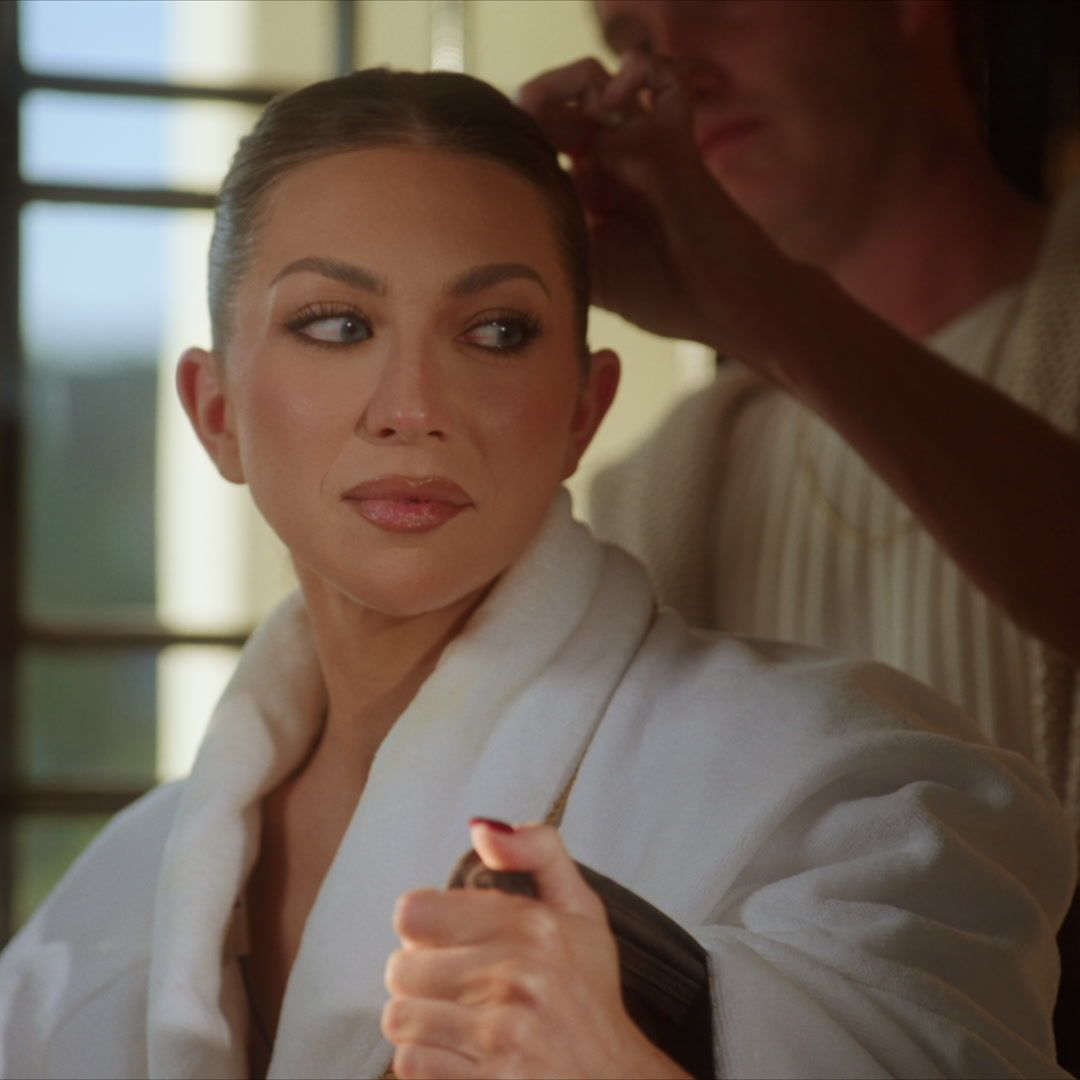
The sudden and widespread dismantling of the fourth wall in reality television feels less like a trend and more like a necessary exhale. Shows like *House of Stassi*, *The Girls*, and *The Secret Lives of Mormon Wives* are openly acknowledging the manufactured nature of their narratives, a stark contrast to the decades-long charade of presenting these shows as unscripted windows into "real" lives. This shift reflects a broader cultural fatigue with authenticity performativity and a growing awareness among viewers – particularly younger audiences – that everything is, to some degree, curated. It’s a fascinating evolution, especially when considered alongside the increasing scrutiny of influencer culture and the deliberate crafting of online personas, as explored in From IYKYK Substacks to Elite Fashion Subscriptions, How High Is Your Fashion IQ?. The audience is no longer easily fooled, and the networks seem to be finally catching up.
The historical reluctance to acknowledge the artifice of reality television stemmed, in part, from a desire to maintain the illusion of spontaneity and relatability. The genre’s initial appeal lay in the promise of observing ordinary people navigating extraordinary circumstances, a promise inherently undermined by the presence of cameras, producers, and editing rooms. However, as the genre has matured and become increasingly self-aware, the inherent contradictions have become harder to ignore. The heightened drama, the carefully selected cast members, the strategic editing – it’s all becoming too obvious. This new transparency, while potentially disruptive to the traditional reality TV formula, offers a chance for a more honest and ultimately more engaging viewing experience. It’s a move away from the manufactured drama of contrived conflict and toward a meta-commentary on the very nature of reality itself. The genre’s evolution also echoes the growing emphasis on escapism and heightened narratives, as seen in the popularity of books that subvert idyllic settings, such as those explored in Vacation Is Anything But Idyllic in These Chaotic Books Set at Summer Homes.
The implications of this shift are significant. For one, it redefines the relationship between the viewer and the subject. Rather than passively observing a supposed “reality,” viewers become active participants in a performance, aware of the constructed nature of the narrative and perhaps even appreciating the meta-humor of the situation. It also allows for a greater degree of creative freedom for the producers and cast members. Freed from the constraints of maintaining a facade of authenticity, they can explore more complex and nuanced storylines. Furthermore, this move could potentially revitalize a genre that has, in recent years, felt increasingly stagnant, relying on tired tropes and predictable storylines. The self-awareness inherent in this trend opens doors for satire, irony, and a more critical examination of the societal pressures and expectations that reality television often perpetuates. It's a chance to move beyond the superficiality that has plagued the genre and delve into something more intellectually stimulating – even if that exploration is still framed within the conventions of reality TV. We’ve seen the consequences of chasing authenticity in a world increasingly mediated by screens; the embrace of artifice allows for a different kind of truth.
Ultimately, the fourth-wall breakdown in reality television isn’t just a quirky trend; it’s a reflection of a broader cultural shift toward greater transparency and self-awareness. It’s a sign that viewers are becoming more discerning, more cynical, and more willing to question the narratives presented to them. The question now is: how far will these shows push the boundaries of meta-commentary? Will this lead to a new era of genuinely innovative and thought-provoking reality television, or will it simply become another fleeting trend, quickly abandoned in pursuit of the next viral moment? And, perhaps more importantly, will audiences embrace this new level of self-awareness, or will they yearn for the comforting illusion of unscripted authenticity that once defined the genre, as explored in the nuanced narratives of shows like Furious’ Season 2: Everything We Know?
Stassi Schroeder would like you to know she's thrilled that Hulu is signing her checks. In the first confessional of her new reality series, House of Stassi, she admires the green screen behind her the way a Regency romance heroine might react to the concept of indoor plumbing. "Are you joking?" she marvels. "Shit's premium over at Disney."
The fourth wall, if it was ever even erected, has been bulldozed.
It's the same on Hulu's The Girls, where Khloé Kardashian's friends spend an entire episode drawing on-camera boundaries via sly texts shared across Malibu dinner tables. On The Secret Lives of Mormon Wives, another Hulu product, the husbands hustle their DadTok accounts for villa bookings while their more successful other halves negotiate season salaries, all while practically waving at the camera.
Across these three shows, how the sausage gets made isn't hidden any more. It's the content.

It makes sense. Reality TV is 25 years old now. Anyone still watching has wised up to the fact that those blowouts Kim Kardashian had with her sisters over swimming pool-sized bowls of Health Nut salads were almost always scheduled. A few of us were even alive to witness the moment, in 2010, when Kristin Cavallari said goodbye to Brody Jenner on a fake Los Angeles street, the camera pulling back to reveal the whole soundstage. But that was a gag, a wink at the end of six seasons. What's happening now is more structural, like the formula knew it needed a refresh, something to help the Botox metabolize so the natural wrinkles could show.
There's a difference, though, between acknowledging the business and putting the woman who decides what airs in the frame with the people it's happening to.
House of Stassi is the clearest proof. Schroeder, six years after being fired from Vanderpump Rules, has decided she deserves the Kris Jenner treatment. She's recruited family members, friends, and, most importantly, her former Vanderpump alum Katie Maloney, to effectively manage on-screen. She promises them a tax bracket glow-up while chasing relevancy for herself, and she's shameless about it — staging dinner parties she describes on air as team meetings, taking gigs in the name of "Disney synergy," even showing the sizzle reel that sold House of Stassi in the actual premiere of House of Stassi.
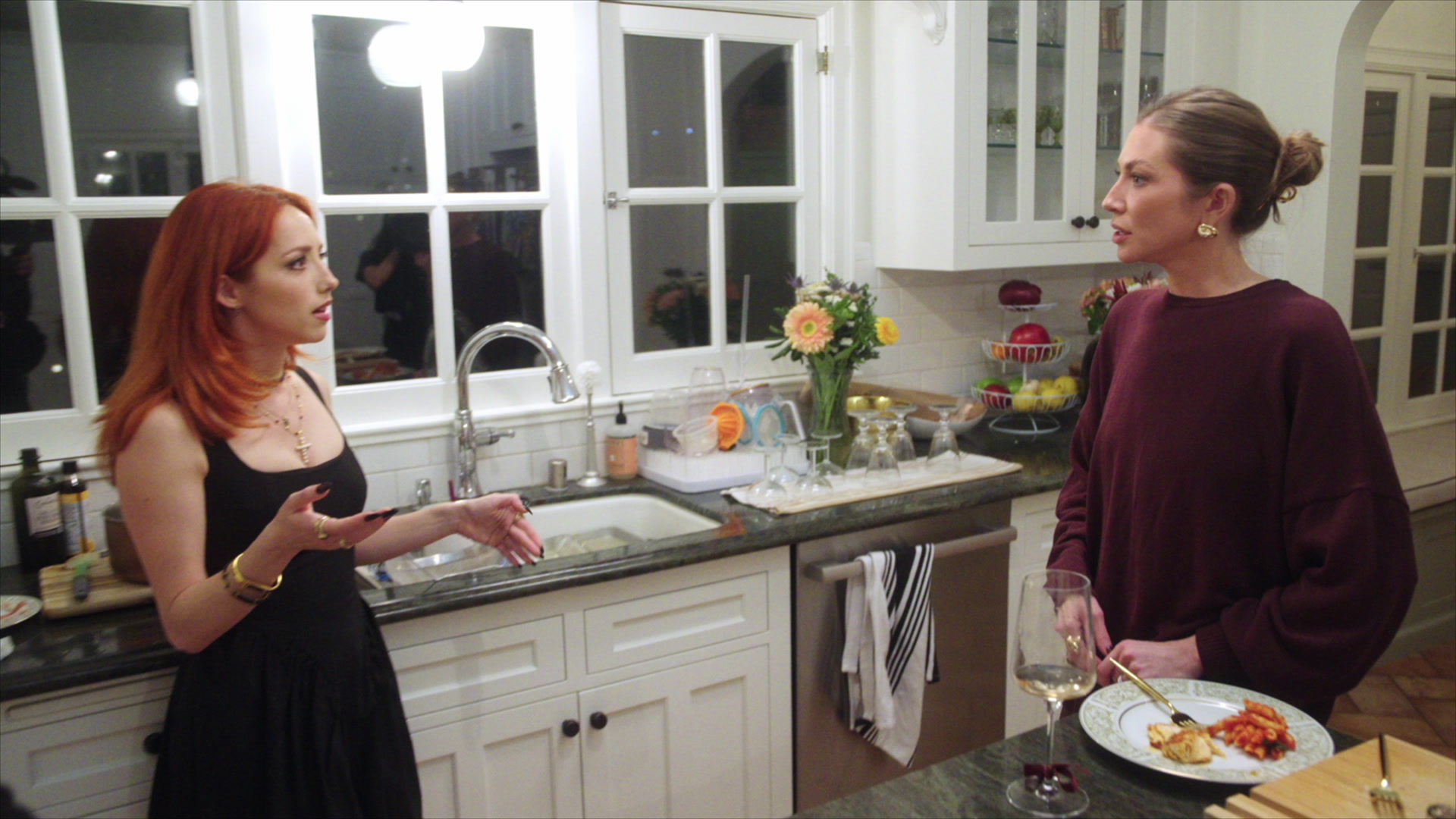
When Katie tells Schroeder at brunch that her inner circle is made up of employees with no concept of work-life balance ("If they didn't come out of you, aren't married to you, or aren't on your fucking payroll, they don't get to be in your life"), Schroeder grows positively giddy. "That's the kind of truth-telling we need on reality TV," she gushes to camera. It's one of the few real "reads" uttered all season, and her instinct is to compliment its ratings potential.
That's because Schroeder is producing her life, not living it. The editing knows this, cutting episodes in ways that treat her celebrity complex as a sort of punchline. And to her credit, she's never been precious about looking bad on television; a decade in, she'll hand over the unflattering angle herself. It's funny and cringe, something all good reality shows are, but it starts to wear thin a few episodes in, especially when Schroeder's fame-grab begins to damage the people closest to her. Self-awareness, it turns out, has a sell-by date. It, like everything else, gets old.
Hulu's The Girls, another show whose foundation rests atop the fourth wall rubble, has the same problem. Khloé Kardashian's cast (her word) is made up of women who are her friends, but not necessarily each other's. They're the vehicle through which she can live out her own Sex and the City daydreams. (Khloé is, naturally, a Carrie, narrating every dildo donation party and al fresco brunch.)

What makes The Girls interesting is also what makes it so uncomfortable. Kardashian strips conversations for parts, exposes private texts, and pushes women to compromise their comfort in the name of "honesty" because the almighty camera can apparently tell when you're lying. By cutting confessionals entirely, the audience only views these women through her tailored lens. They never get to narrate their own experience. Take Malika and Khadijah Haqq, her best friends for nearly 20 years, and in the background on her family's shows for just as long. This season, one navigates a painful divorce and the other tries to restart her life on her own terms, yet both stories are filtered through Khloé: their director, their producer, the employer signing their checks. Their bond pre-dates Keeping Up with the Kardashians, but it might not survive The Girls. And if it doesn't, the cameras will capture that too, because everything is content, isn't it?
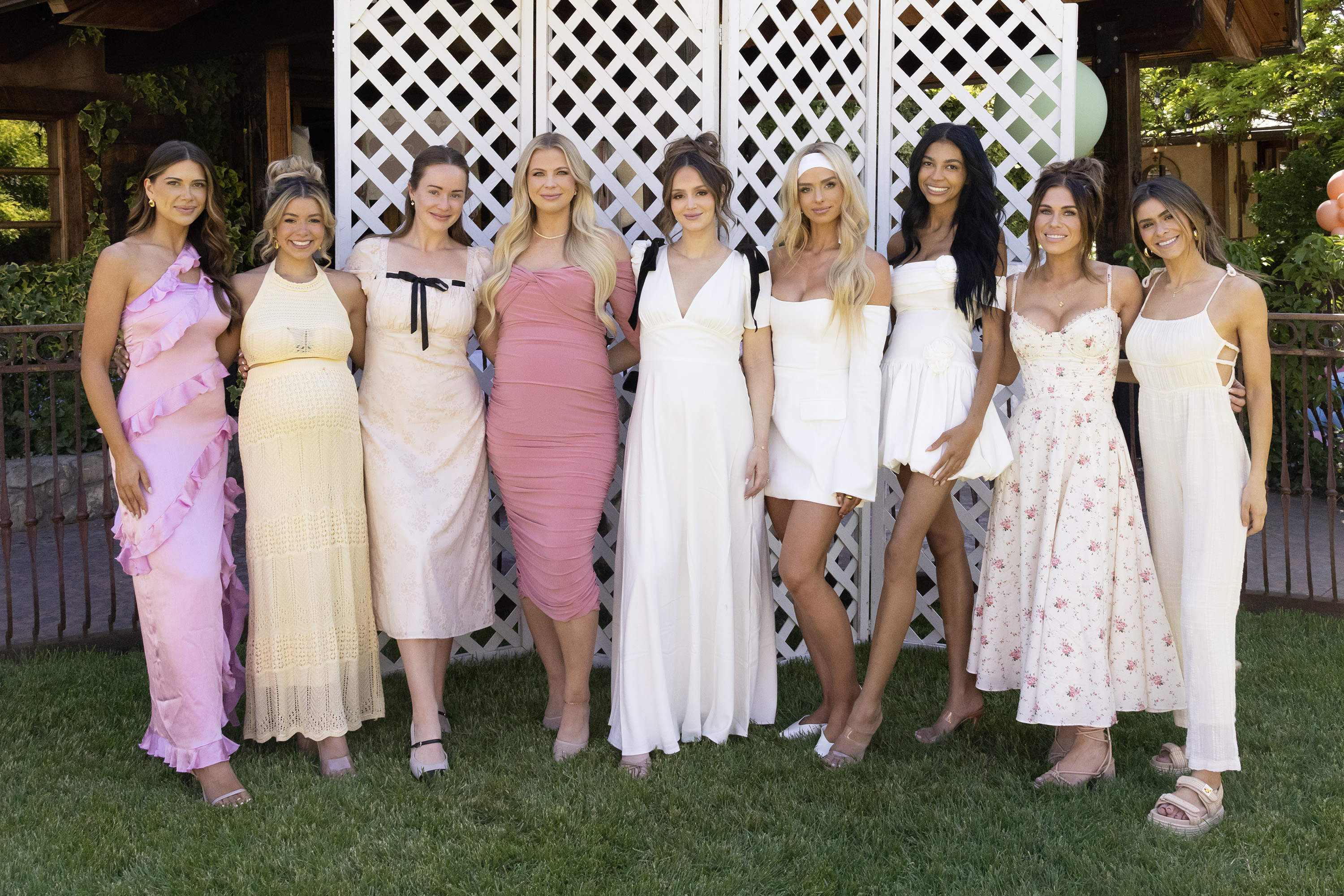
Then there's The Secret Lives of Mormon Wives, which uses the fourth wall the way the other two shows wish they could: sparingly. These women are savvy content creators, but they're also friends with years of history and the shared experience of being raised in a community that doesn't support their current lifestyles. Even when they're throwing insults at dinner parties and removing themselves from group chats, the stakes feel more concrete. The transparency works because these women are still figuring out how to navigate this world instead of engineering it.
That's the real test. You can show an audience the green screen once, but every season spent showing the set-up before the scene or the puppeteering that goes into a lunch sit-down fueled by accusations and Aperol Spritz filters out the viewers who came to watch a life from the ones who came to watch a job. For SLOMW, showing the wires makes the show better. On House of Stassi, the wires are the show, but that won't hold anyone's attention for long. And on The Girls, the wires point to something producers might not want us to be thinking about too carefully: who holds the power, and who gets a say in the depiction of their own life. One is insightful. The other? Boring. And one might put people off the genre altogether.
This trend of taking a sledgehammer to the old ways of translating "real life" on screen can feel like a needed shot of authenticity when done well. But when it's constant, like with House of Stassi and The Girls, it draws attention to a bigger problem. Reality TV is simply a different ballgame now. We used to get our kicks from watching normal people do something they'd regret in pursuit of money and fame. Now, we're watching influencers, professional celebrities, and their glorified assistants with money and fame do regretful things in pursuit of more. At some point, acknowledging the camera's role in all this will stop reading as novel and start to feel, at worst, off-putting, and at best, just plain obvious.
Read on the original site
Open the publisher's page for the full experience