Why “Nonna-Maxxing” Has Become Summer’s Most Unexpected Fashion Trend
Our take
The resurgence of "nonna-maxxing" as a defining summer fashion trend speaks volumes about a collective desire for understated elegance and a reaction against the relentless performance of online aesthetics. It's fascinating to see this shift, particularly amongst Gen Z, who have historically been at the forefront of maximalist trends. While the allure of elaborate, influencer-driven looks persists, there’s a growing appreciation for the quiet confidence embodied by the classic, timeless style of Italian grandmothers. The appeal isn't just about mimicking a specific look; it’s about adopting a philosophy of dressing—one that prioritizes quality, comfort, and enduring style over fleeting trends. This movement resonates with a broader cultural fatigue, a yearning for authenticity in a world saturated with curated perfection. Consider the enduring appeal of [Not Black, Not White—the Expensive-Looking Neutral Everyone Is Wearing This Summer ], a color palette that perfectly encapsulates this shift towards subtle sophistication. The focus isn't on shouting with color or embellishment, but on letting the quality of the materials and the cut of the garment speak for themselves.
The trend’s popularity also reflects a deeper response to burnout and the anxieties of modern life. The constant pressure to project an ideal image online has left many feeling exhausted. “Nonna-maxxing” offers a refreshing antidote – a permission slip to embrace simplicity and reject the need for constant self-promotion. It's a deliberate embrace of a slower, more intentional way of dressing, one that prioritizes ease and comfort. This isn't about slavishly copying a specific outfit; it’s about adapting the underlying principles of effortless chic. It’s about finding joy in well-made pieces that will last for years, rather than chasing the latest viral sensation. This aligns with the growing consumer interest in sustainable and ethical fashion, as well as a rejection of fast fashion's disposability. The trend also neatly intersects with the ongoing fascination with European style, as evidenced by the enduring appeal of [I'm an American Living in London, But I'll Always Think These Summer in California Outfits Are Chic ] – a desire for a more relaxed, sun-drenched aesthetic.
Beyond the immediate fashion implications, "nonna-maxxing" reveals a significant shift in how we perceive luxury and style. It challenges the traditional notion of luxury as overtly flashy or expensive. Instead, it redefines luxury as quality, longevity, and a timeless elegance that transcends trends. The focus moves inward – to a sense of personal style and self-assuredness rather than external validation. It’s a rejection of the “look at me” mentality and an embrace of a more grounded, self-possessed aesthetic. This resonates with a growing desire for authenticity and a rejection of superficiality, a sentiment echoed in articles like [I'm a Shopping Expert—8 Trends I'm Buying for Fall 2026 and 8 I'm Skipping ], which highlights the importance of investing in pieces that stand the test of time. The trend isn’t just about adopting a certain style; it's about cultivating a mindset of mindful consumption and appreciating the enduring value of well-made clothing.
Ultimately, the prevalence of "nonna-maxxing" suggests a broader cultural recalibration. The frenetic pace of social media and the pressure to constantly reinvent oneself are giving way to a desire for stability, authenticity, and a return to timeless values. It’s a quiet revolution in fashion, one that prioritizes self-expression over external validation and embraces the beauty of simplicity. The question now is: will this understated elegance endure beyond the summer months, or is it merely a fleeting response to a moment of cultural fatigue? And, perhaps more importantly, what other unexpected sources of inspiration will emerge as we continue to redefine our relationship with style and self-image in the digital age?
No matter your zip code, it can seem almost impossible to scroll online these days without your feed being inundated with chatter around one specific topic, ahem, Euro summer. Although critics might find all those #cinqueterre social posts a tad bit cliché, what’s undeniable is that the concept of having a “European summer” has impacted every part of the cultural zeitgeist. That’s no more apparent than in all the travel, wellness, and even fashion trends that have drawn inspiration from all the various cultures across the continent. While some of these viral trends might seem silly at first, over time, they’ve acted as a snapshot of the current psychological state of younger generations, or that’s what one could glean about the most recent fashion trend to take over: “nonna-maxxing”.
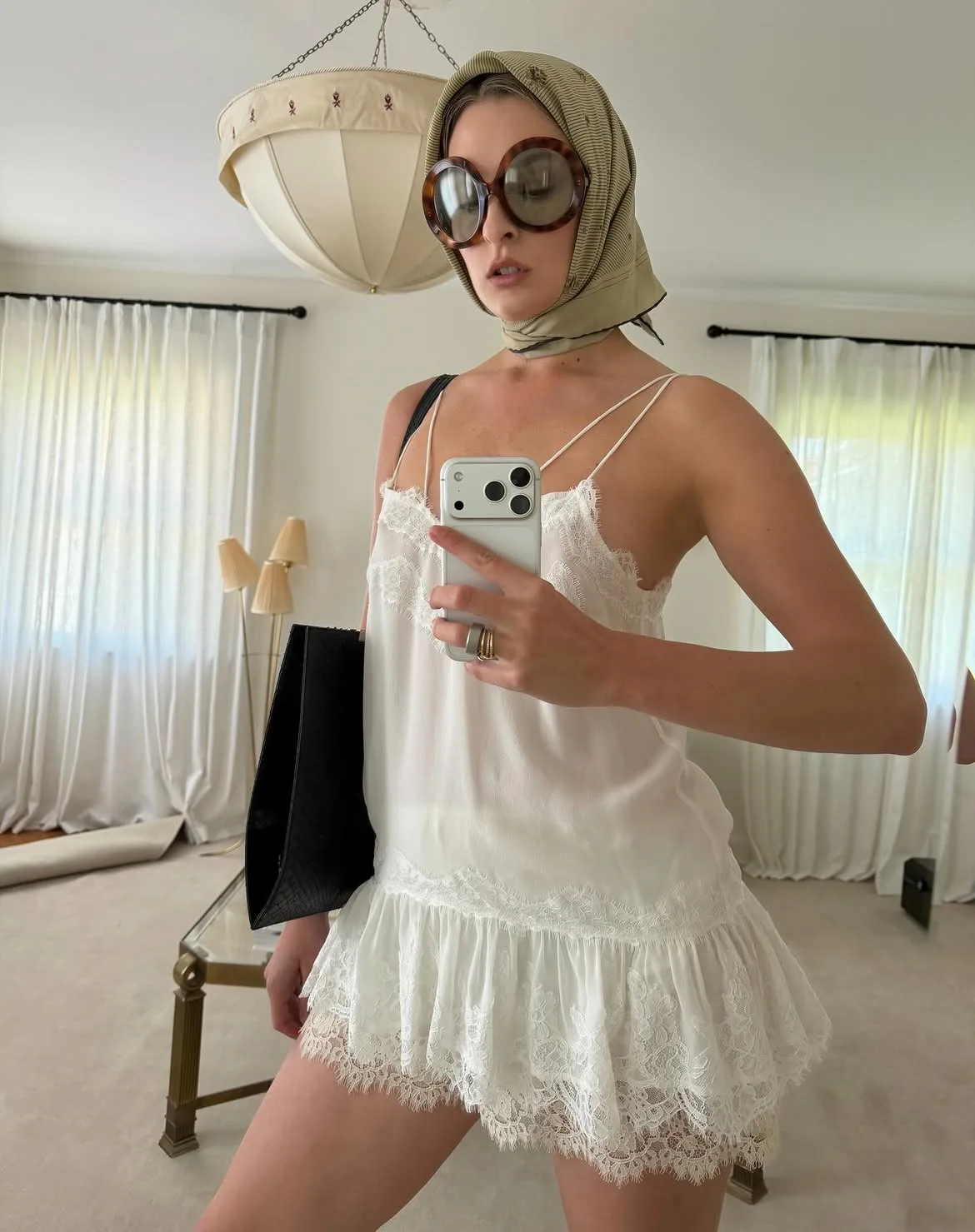
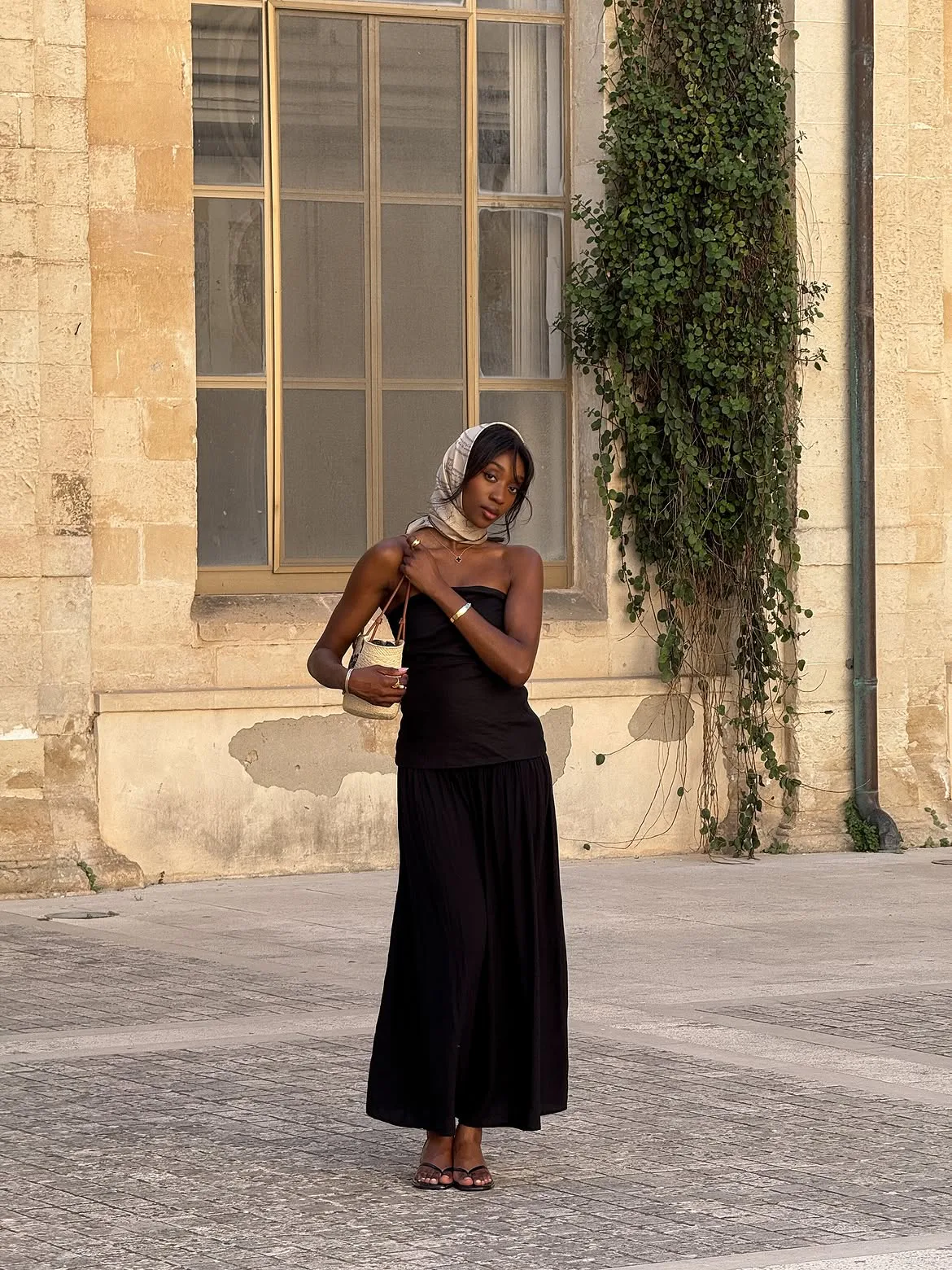
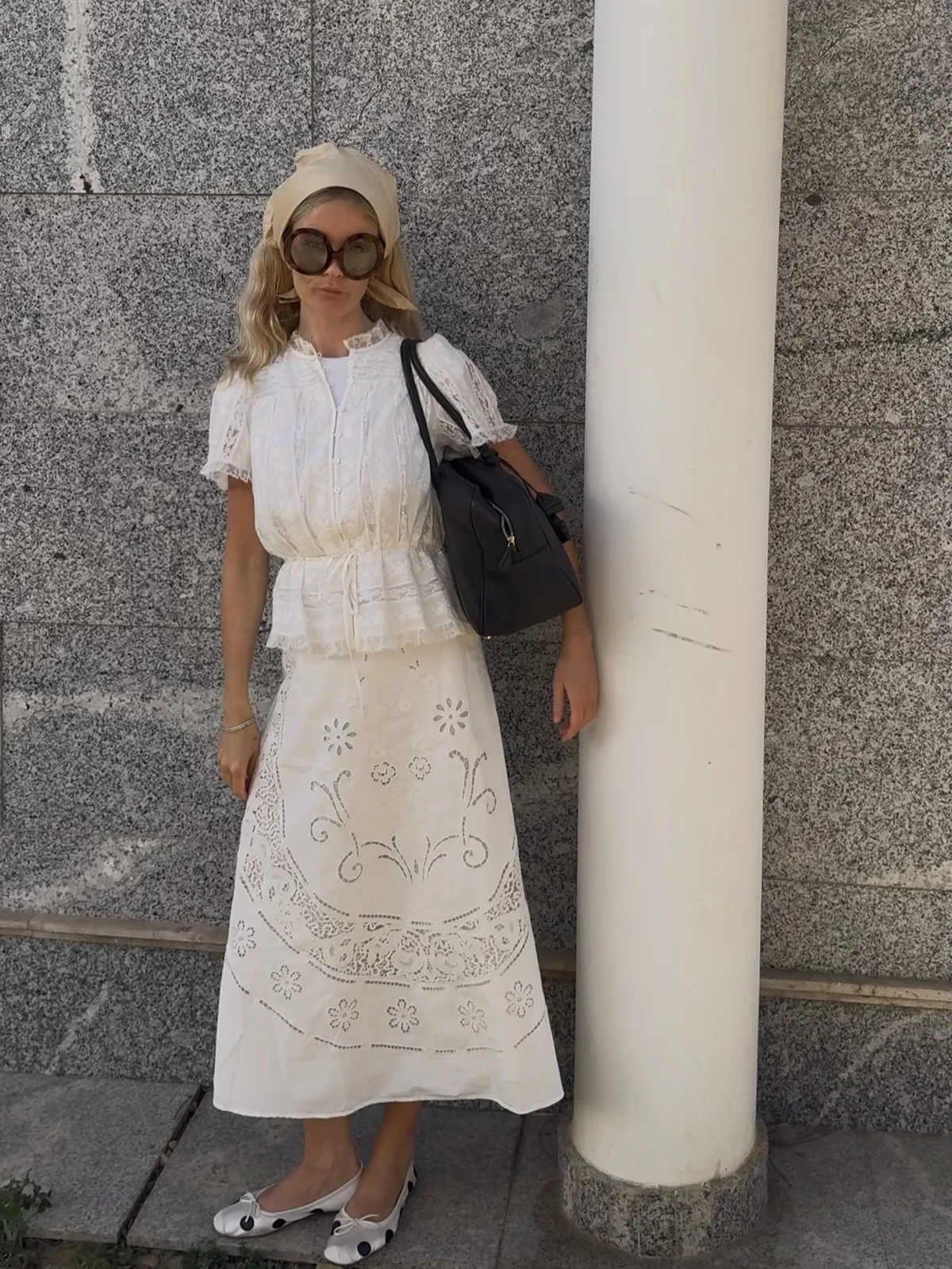
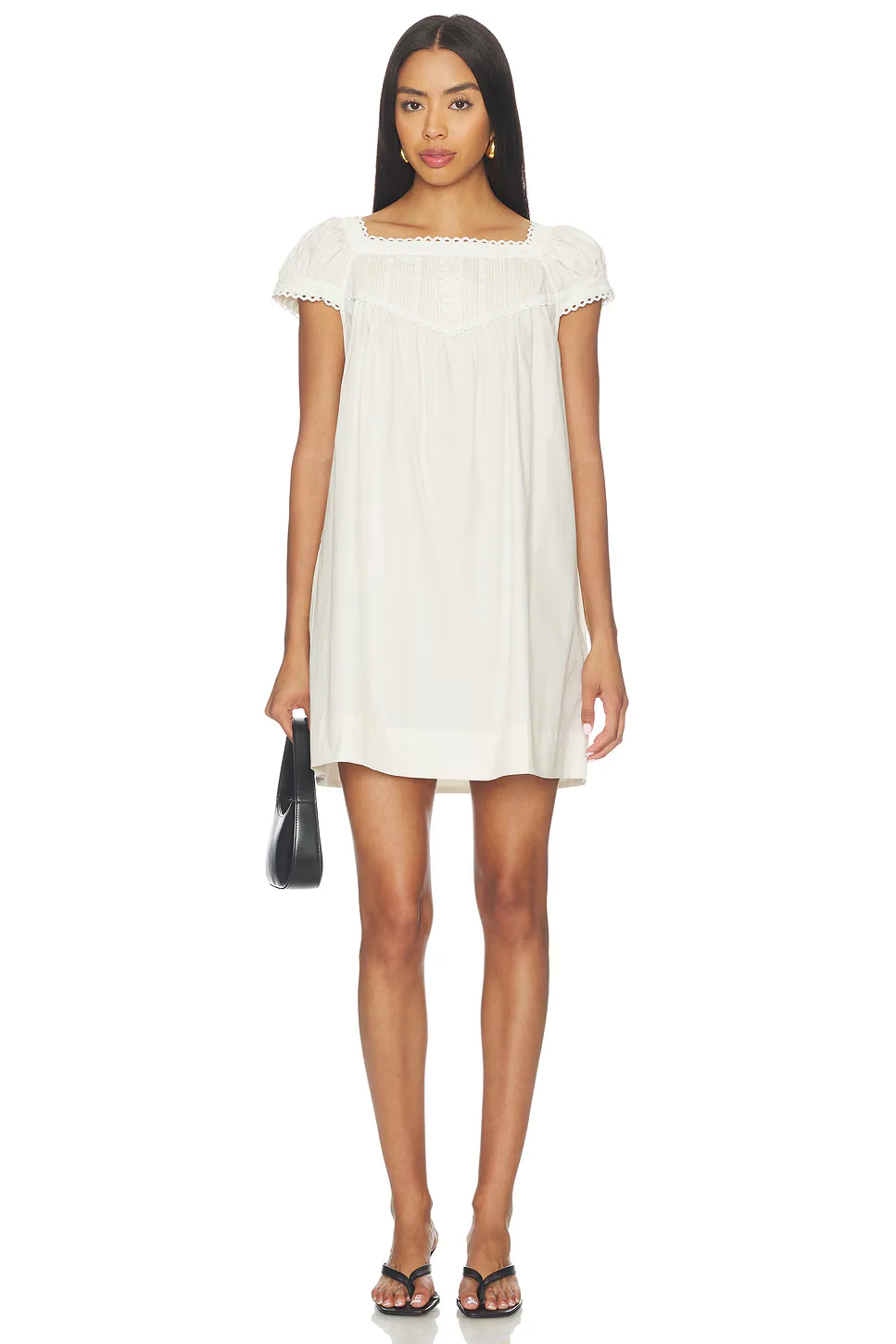
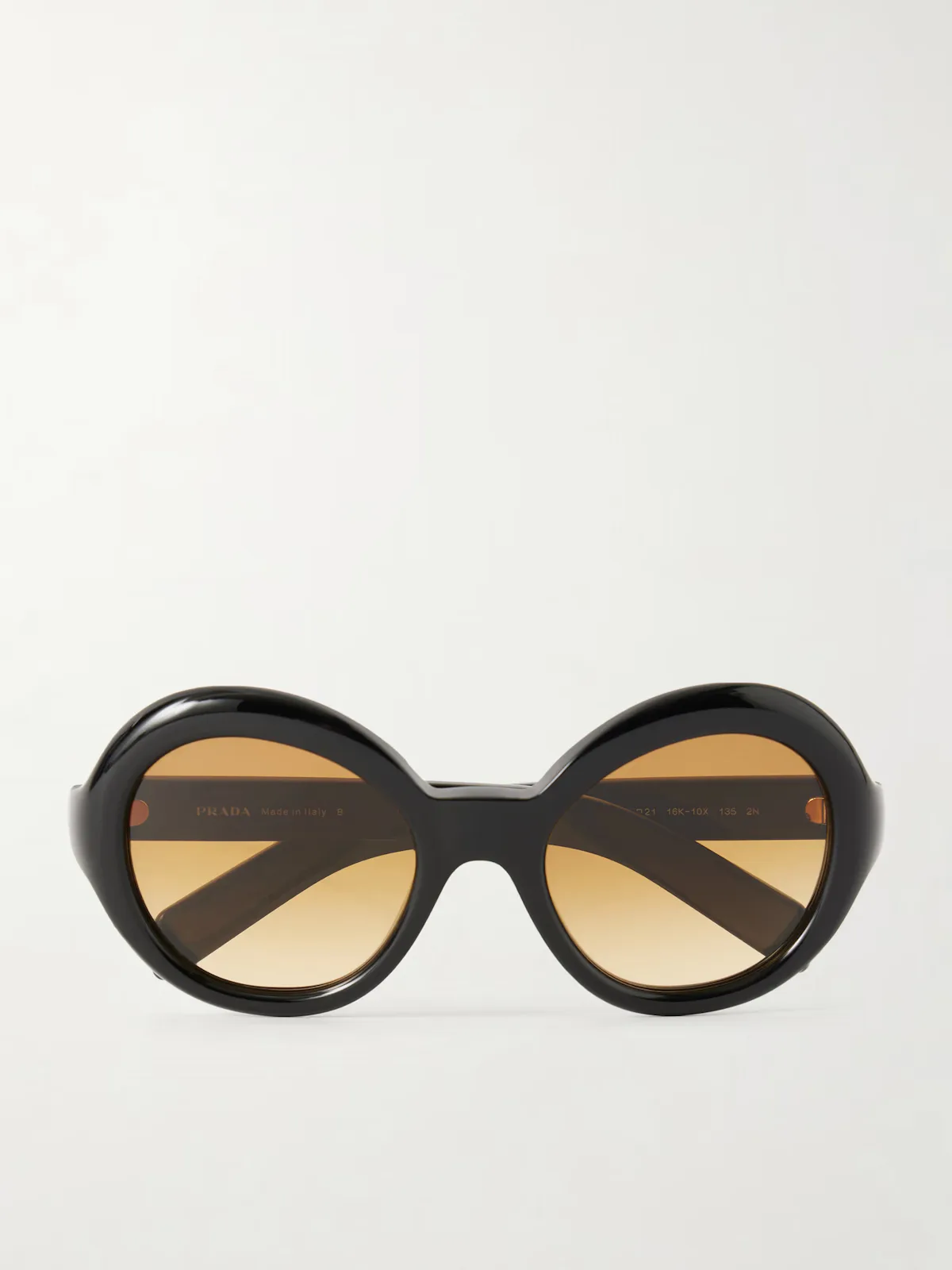
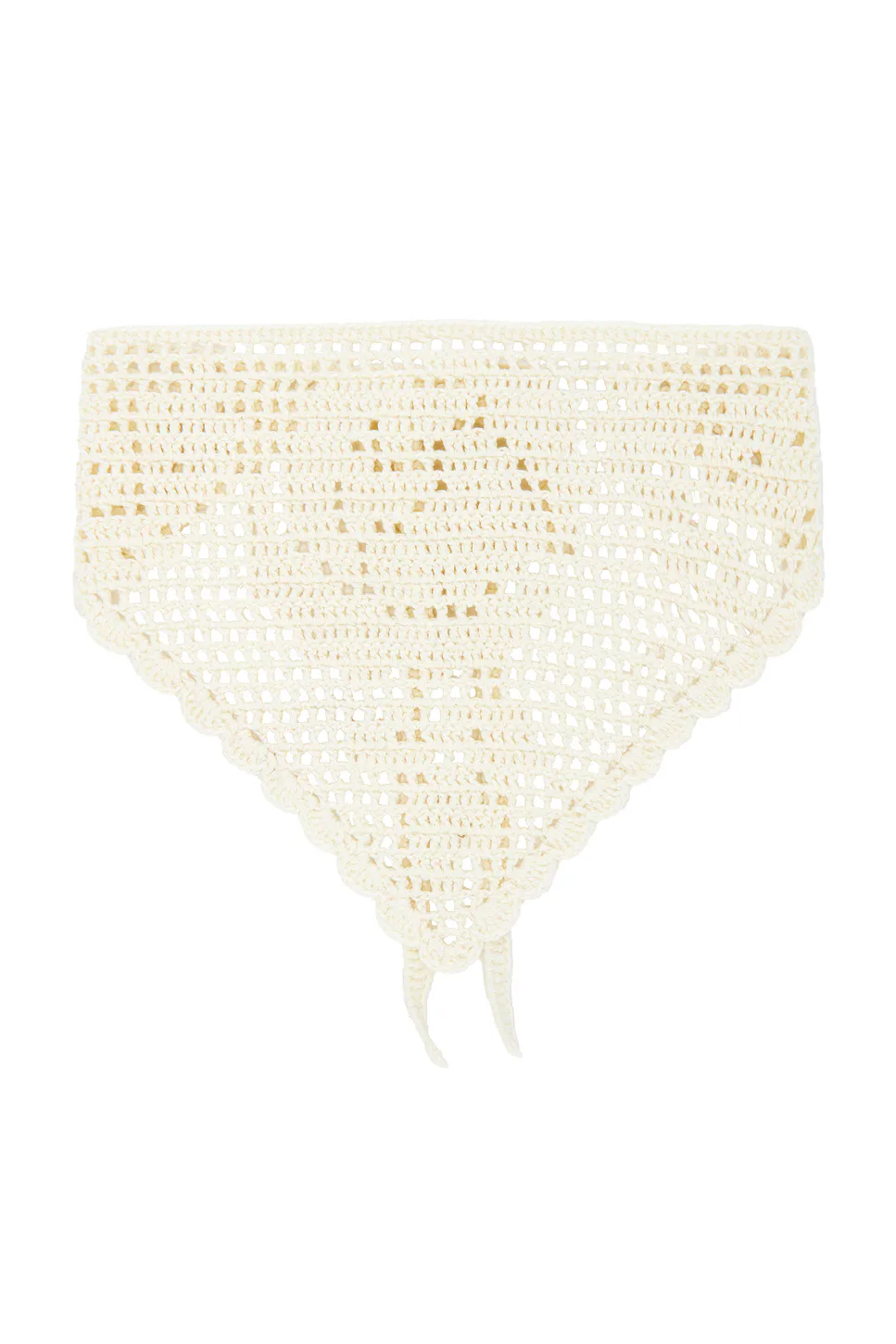
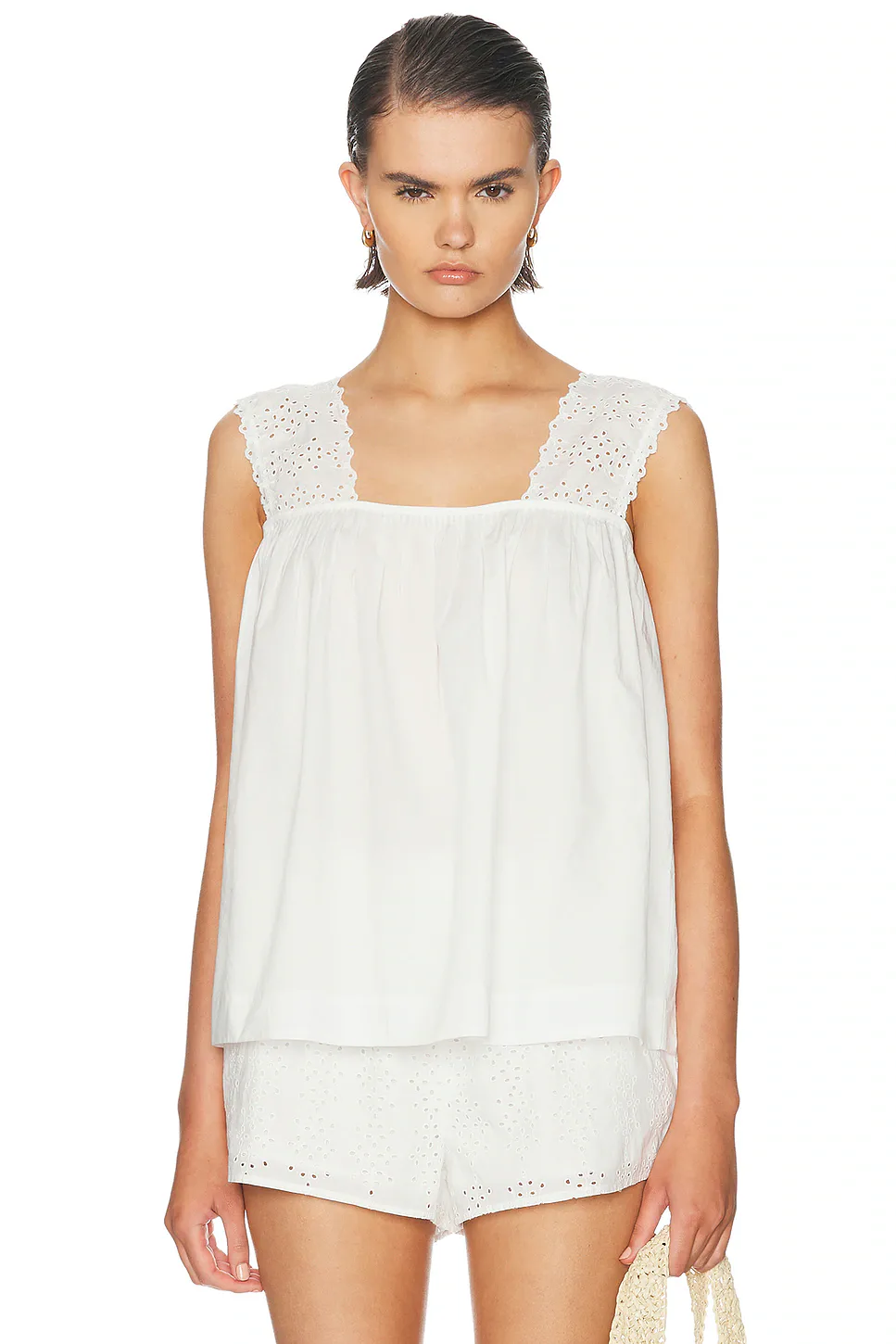
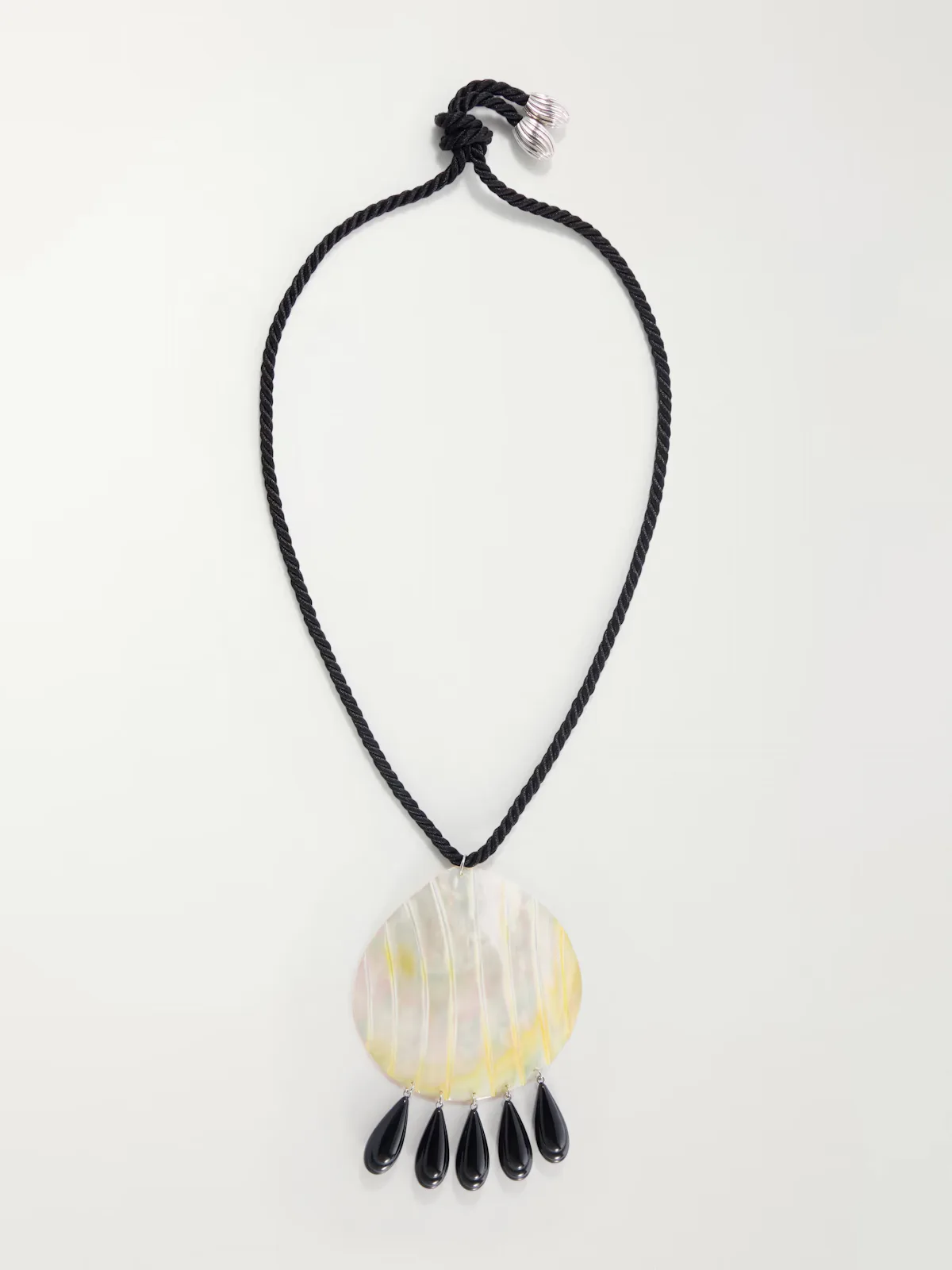
Unless you’re chronically online (like us), chances are you might not be familiar with the colloquial term “nonna-maxxing.” It can be best described as embracing a slower life, and by virtue, all things in life that a grandmother would — that includes their sartorial choices, too. Yes, you read that right… The kids are choosing to dress like an Italian nonna by throwing on oversized sunglasses, babydoll dresses, crochet flats, shell jewelry, and pretty much anything else they’d picture a grandma living in Positano wearing. But what exactly is driving the appeal behind this fashion trend? The theory held by fashion and consumer psychologist Shakaila Forbes-Bell is that the “nonna-maxxing” trend is booming because of [insert dramatic pause] burnout.
“The concept of having a ‘euro summer’ directly correlates to recent findings that over half of the global workforce is experiencing burnout”, she explains. The data doesn't lie: Gen Zers have surpassed millennials, with over 74% reporting feeling burnt out this year, but many don't believe they will get to experience retirement. “Younger people are desperate to find new ways to switch off and adopt a more stress-free approach to life rather than waiting for a moment that may never come,” Forbes-Bell emphasizes. It makes sense, then, on a deeper psychological level, that we’d see younger people drawn to what the Italians like to call “la dolce vita” or, in English, “the sweet life” as they begin to romanticize relaxation, aging, and a different lifestyle in general.
For many, nonna-maxxing offers a form of escapism that doesn’t even require you to book a flight, which is arguably why its popularity has grown on every platform from TikTok to Pinterest. On Pinterest, searches by pinners for oversized sunglasses, babydoll dresses, head scarves, and ‘60s outfits rose from +24% to +81% in the last quarter. TikTok has seen a 150% spike in posts around the term “grandma aesthetic” and “grandma hobby” week-over-week, proving that interest in “slower” lifestyle content has grown significantly. That rise in interest has directly led to a shift in consumers’ habits, too, as platforms like Afterpay have reported that purchases of nonna-adjacent trends like derby shoes and polo jumpers were up by 37% and 172%, respectively, since last season. It’s that spike in interest on social media that’s led many fashion brands to fill their shelves to the brim with everything nonna-coded.
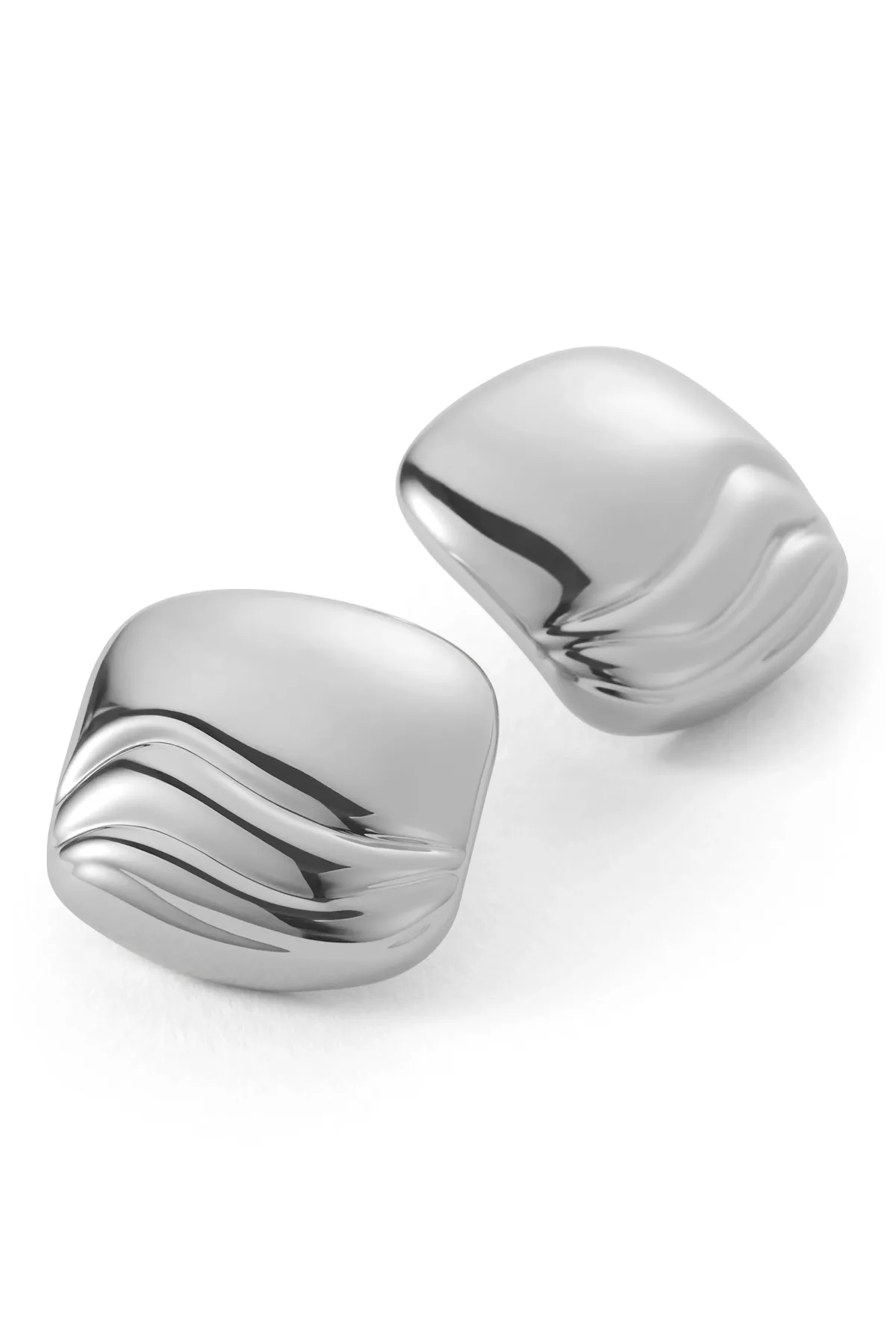
While some might see the adaptation of this visual aesthetic as a cash grab, others understand that this isn’t just a trend, but a cultural shift; Jenny Bird happens to be one of them. Before the summertime, the jewelry designer debuted a collection entitled “New Nonna” that drew inspiration from what Italians like to call the “sciura” — i.e., stylish older Milanese women known for wearing statement pieces — that features the type of timeless pieces you’d find in your grandmother’s jewelry box. Bird explains why so many creatives feel drawn to the nonna aesthetic, herself included: “We are all craving permission to slow down. ‘European summer’, ‘nonna-maxxing’, call it whatever, but underneath it all, people are pushing back against an algorithm telling them what to wear, eat, and buy every six weeks. Nonna never dressed for the feed; she’s been wearing the same gold hoops for years.”
Bird articulates what so many younger people seem to understand intrinsically: nonna-maxxing isn’t just a “trend”; it’s a movement toward being more intentional about everything in your life, even the jewelry you wear. The allure of having a different relationship with time is appealing to a generation that’s hyper-productive and hyper-connected. But don’t be fooled, buying a kerchief scarf or a vintage dress doesn't automatically mean you're embracing the lifestyle. For those who identify as Italian, like the Roman-based content creator, Matilde Mantini, there’s an understanding that “nonna-maxxing” isn’t just another fashion trend. “Often on social media, people romanticize what Italians consider normal. But things that go viral on TikTok aren't actually ‘trends;’ they're simply part of our everyday lives.”
Of course, Mantini understands why so many people feel drawn towards romanticizing “nonna-maxxing.” She explains, “More broadly, I think this trend reflects a bigger shift on social media, and even society. We're moving away from the idea that luxury means excess, and towards the idea that luxury is having time to slow down and appreciate simple rituals that many Italian grandmothers have followed for decades: cooking from scratch, spending time outdoors, taking long walks, gathering with family, reading, and enjoying beautiful places without rushing.” Simply put, the real essence of this fashion trend is about finding beauty in ordinary moments; if you happen to be dressed like a nonna in the process, well, that’s even better.
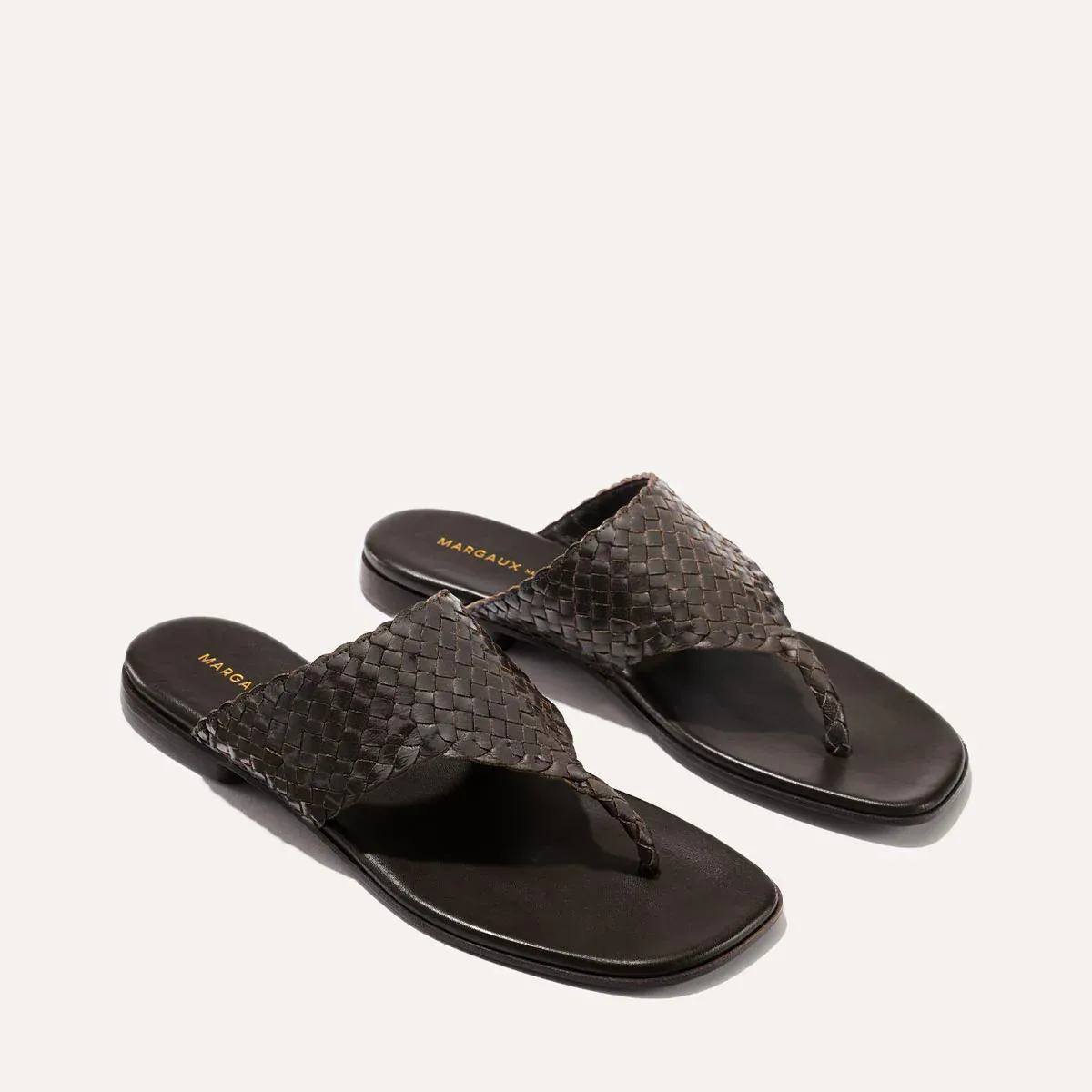
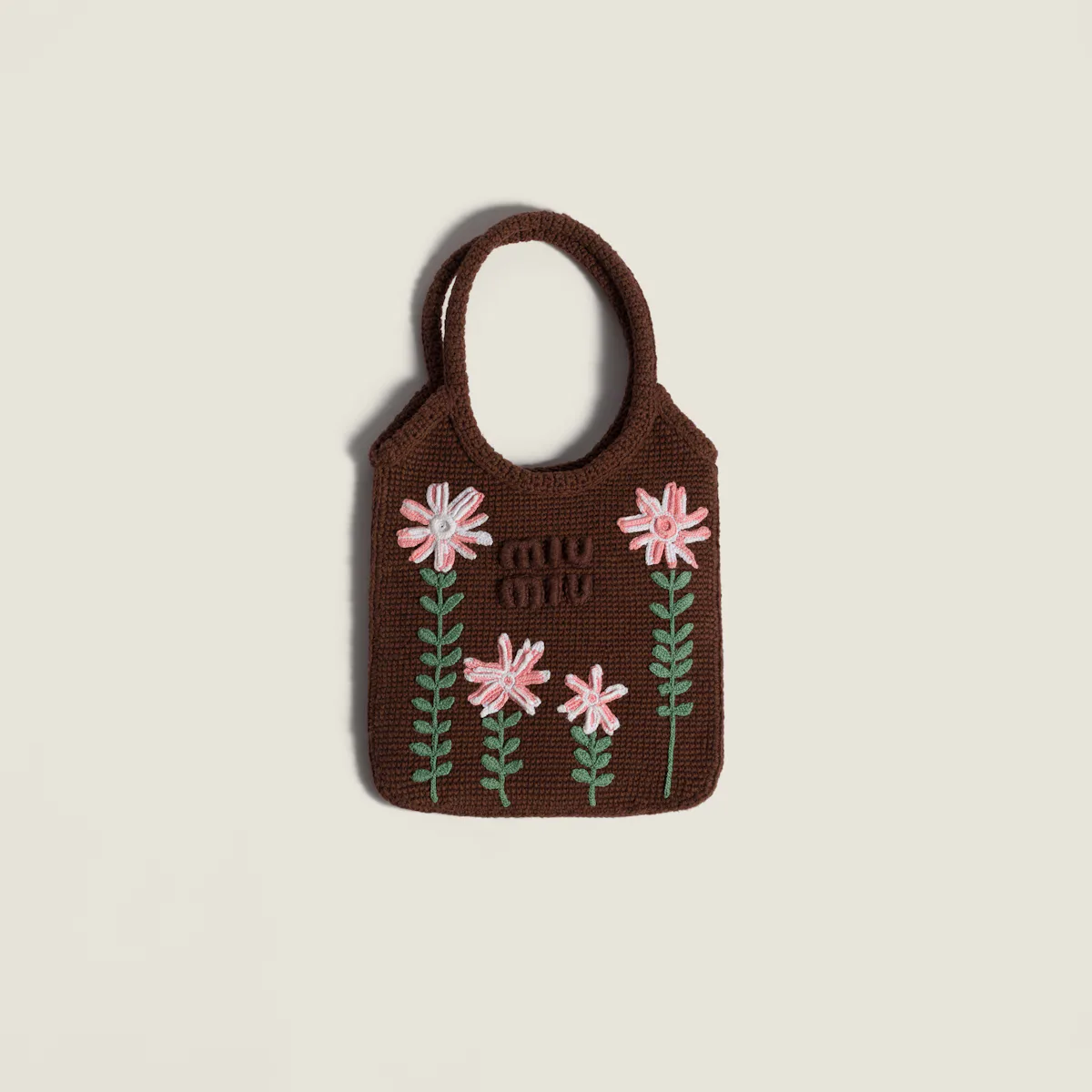
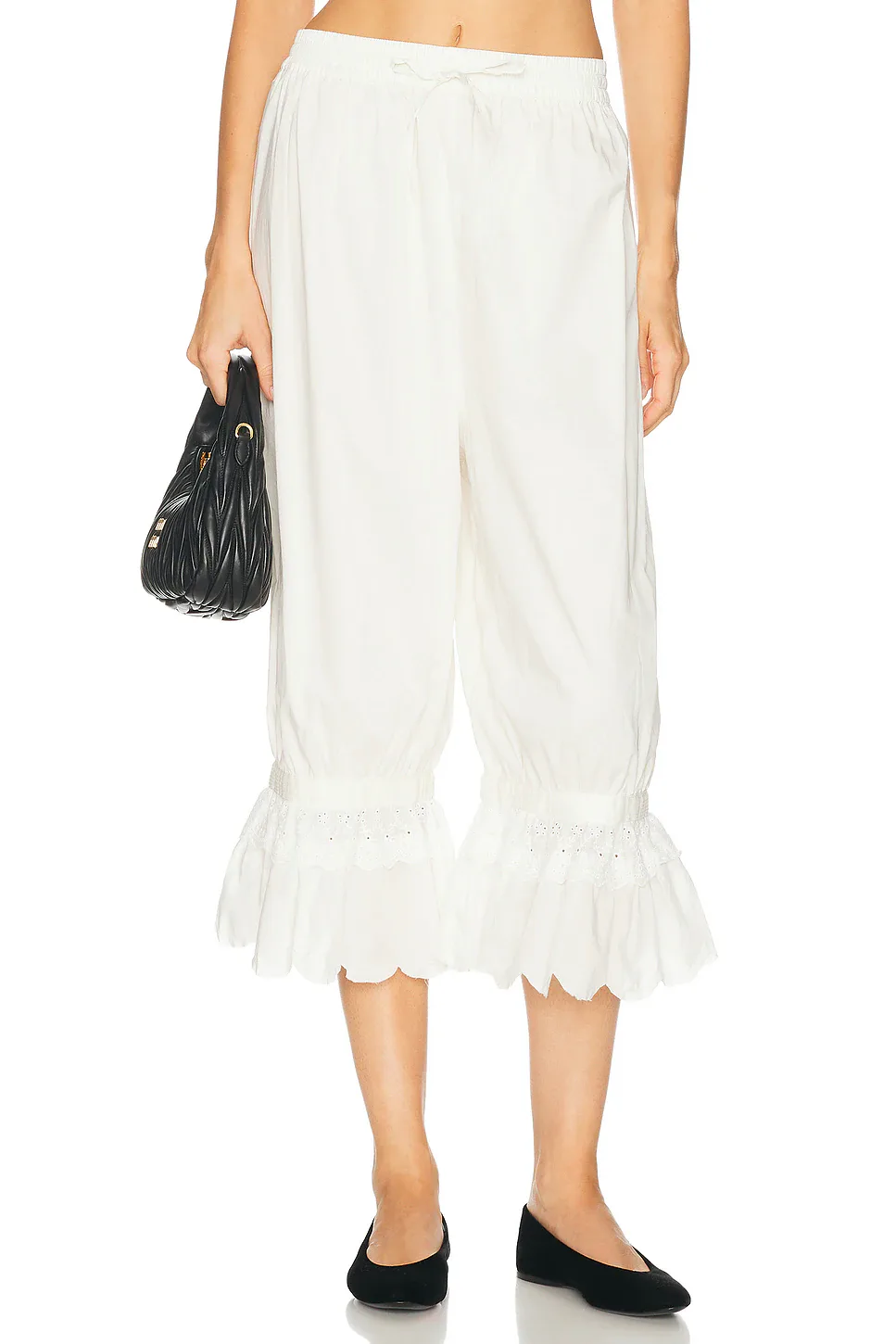
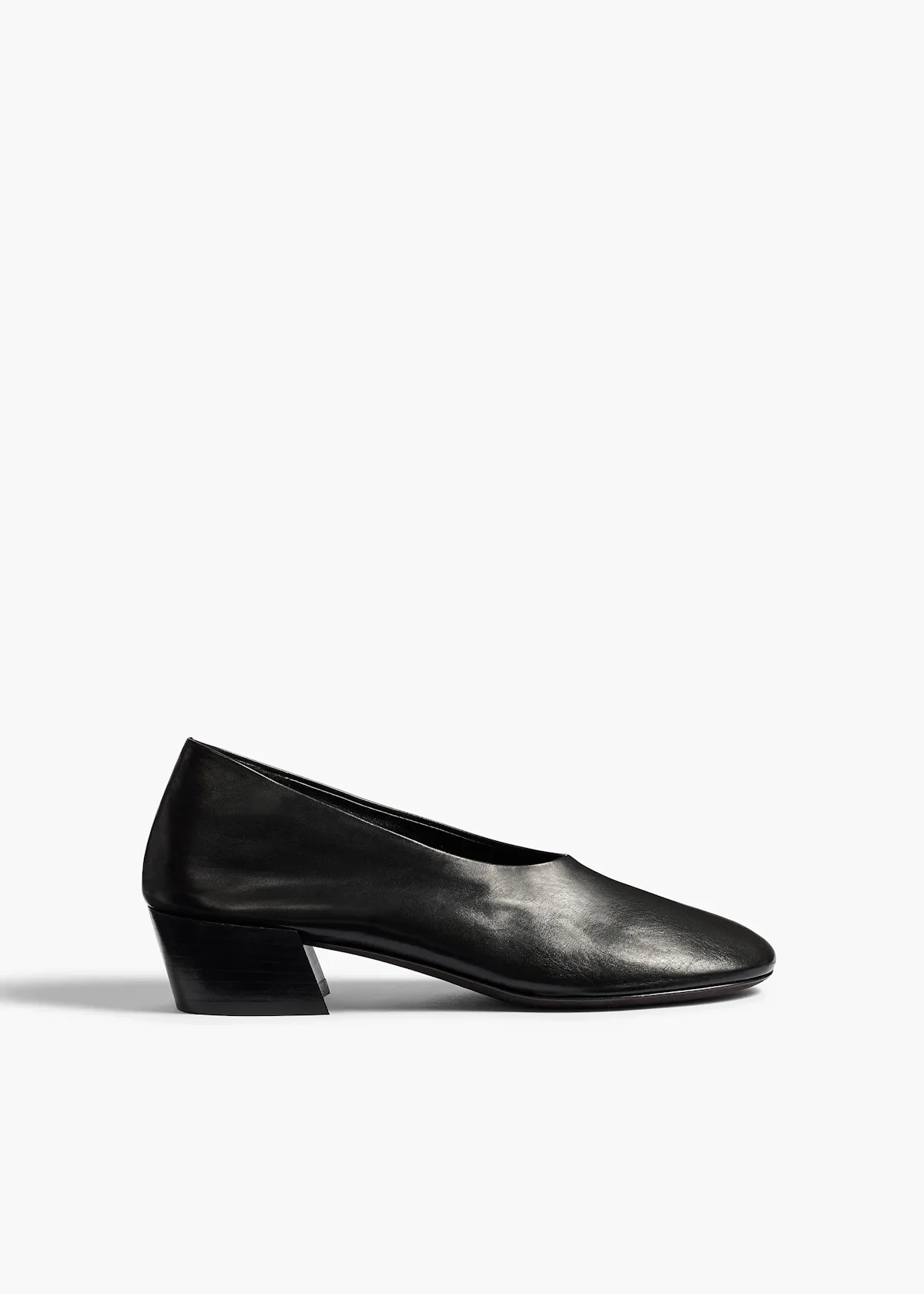
Below, swipe through our favorite shopping picks to complete a nonna-maxxing summer wardrobe.
Read on the original site
Open the publisher's page for the full experience