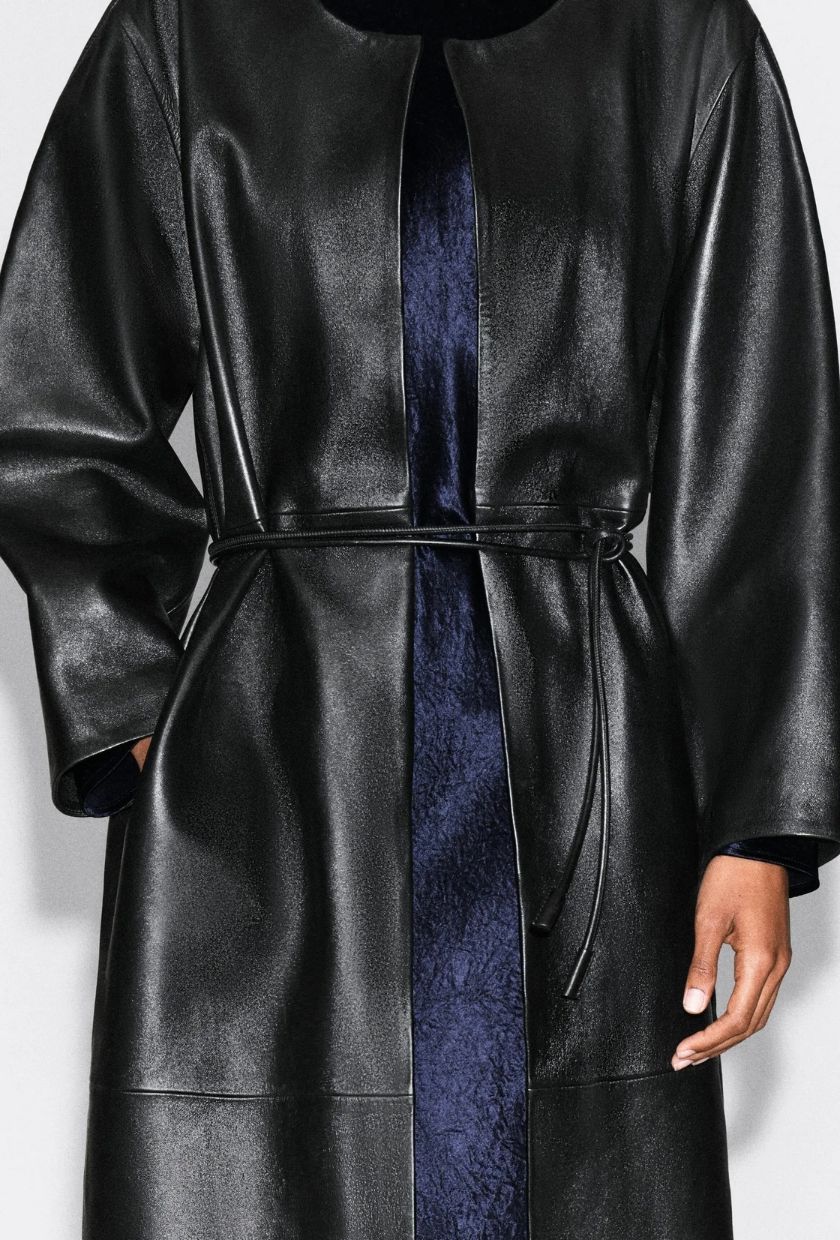
There is something quietly radical about admitting you want to look expensive without spending like it. The story that landed on our desk this week does precisely that, and we find it refreshing precisely because it refuses to apologise. The writer, with a luxury taste and a modest budget, set out to find winter accessories that pass for designer without the designer price tag, and landed on five trends that feel both intentional and attainable. It is a perspective that aligns neatly with the ethos we have been tracking all season: the idea that elegance is a choice, not a receipt. For anyone who has ever hesitated before a checkout, wondering if a piece will look like an investment or an impulse, this is the permission slip you did not know you needed. We have written before about The Quiet Luxury Winter Edit That Costs Less Than It Looks and about how The Quiet Code: How the Best-Dressed Guests Are Setting the Tone is already shaping the season, and this story feels like the practical follow-through on both.
What we appreciate most is the restraint. The writer is a self-described minimalist who typically avoids trends, yet she has identified five accessories that add texture and interest without overwhelming a capsule wardrobe. The cord belt, for instance, is the kind of detail that most people overlook, but it quietly transforms a coat. The colour pop, specifically royal purple and ochre, offers a way to signal intention without sacrificing neutrality. And then there is Dalmatian print, which we find particularly clever: it reads as playful yet grounded, because its palette is essentially black and white. It is not a novelty print; it is a texture disguised as a pattern. The writer understands that luxury is often about the details that do not shout, and her selections reflect that. She is not chasing what is loudest. She is chasing what lasts, emotionally and aesthetically.
The fringe detail deserves a separate mention because it is the trickiest to pull off. Fringe can easily tip into costume territory, but the story frames it as a sophisticated addition to a minimalist wardrobe, and we agree. The key is in the execution: a fringed heel or a scarf rather than a full garment. It introduces movement, which is something quiet luxury often lacks, without introducing chaos. Pony hair, meanwhile, offers a tactile richness that photographs well and wears even better. The writer is correct that the high street has caught up, and the examples she cites prove that texture can do the work that logos once did. This is not about faking it. It is about knowing where to spend your attention.
What this story leaves us with is a specific, practical truth: the difference between looking expensive and looking cheap is rarely the price tag. It is the thoughtfulness behind the choice. The cord belt, the Dalmatian bag, the fringed scarf, these are not substitutes for designer goods. They are intelligent alternatives that respect both your aesthetic and your budget. And as we watch the season unfold, we will be watching to see whether the high street can sustain the quality that makes these pieces worth buying, or whether the rush to produce them dilutes the very restraint that makes them elegant. That is the question worth holding onto.