The quietest revolutions often arrive without fanfare, and the FDA's recent approval of bemotrizinol, the first new sunscreen filter in twenty years, feels exactly like that. This is not a flashy launch or a celebrity-backed hype cycle. It is a refinement of the everyday, and for those of us who have long felt that American sun protection was playing catch-up, it signals something meaningful: a shift toward elegance, efficacy, and the kind of quiet luxury that shows up in how a product feels, not just what it promises. We have written before about the unexpected grace of The quiet allure of CVS beauty, from French skincare to designer fragrance and the staying power of Three Cover Stars on the Beauty Staples That Outlast Trends. This news belongs in that same conversation, not about novelty for its own sake, but about bringing something tested and trusted into a space that has been waiting for it.
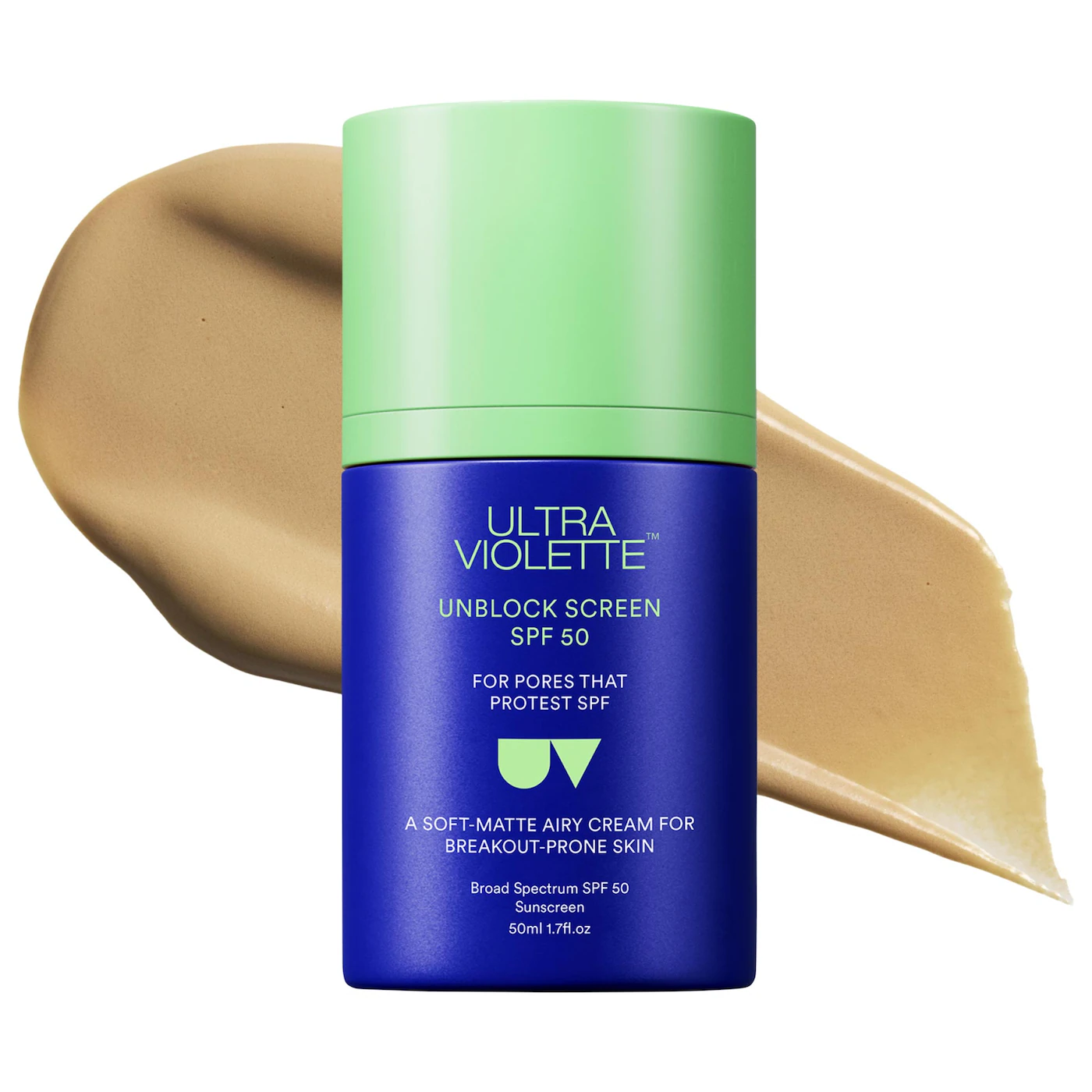
What makes bemotrizinol noteworthy is not that it outperforms every other filter in isolation, Stephen Lynch of L'Oréal is careful to note that both organic and mineral filters have their place, but that it expands the formulator's toolkit in a way that directly benefits the wearer. It provides broad-spectrum coverage across UVA and UVB wavelengths, including the short-UVA range that can be harder to address. For those of us with darker skin tones, the practical consequence is immediate: formulas built around this filter can skip the white cast without sacrificing protection. The two new products we tried, Ultra Violette's Unblock Screen SPF 50 and La Roche-Posay's Anthelios UV Defense SPF 50, both demonstrate what happens when a filter arrives with decades of international formulation experience behind it. The Ultra Violette applies like a weightless hybrid, matte without the dessication, tinted without the orange undertone, while the La Roche-Posay absorbs so quickly it feels more like a hydrating serum than a sunscreen. Neither leaves a film, neither triggers breakouts, and neither asks you to compromise texture for protection. That is the point.
This matters most in winter, when the instinct to skip SPF is strongest. The sun sits lower, the days are shorter, and the ritual of application can feel like a chore rather than a gesture of care. But a formula that glides on like a moisturizer and sits invisibly under makeup changes the equation entirely. It transforms sun protection from a necessary evil into something you reach for because it feels good. The new La Roche-Posay even layers in antioxidant protection, making it a two-in-one step that simplifies a morning routine without diluting its purpose. The takeaway here is direct and specific: if you have avoided chemical sunscreens because of texture, white cast, or clogged pores, the arrival of bemotrizinol in the U.S. market is the moment to revisit that decision. The formulas that have rolled out so far are not compromises, they are upgrades.
What we will be watching closely is how quickly the rest of the market follows. The FDA has opened a door, and brands like Neutrogena are already stepping through with accessible options like their new SPF 70 formula. The real question is whether American sun care will now evolve toward the sensory sophistication that Korean and European brands have long mastered, or whether this filter will be folded into the same heavy, greasy formulations we have tolerated for years. The early evidence, from Ultra Violette, La Roche-Posay, and the quiet confidence of a filter that has been trusted globally since 2000, suggests the former. Winter sun protection, it turns out, can be refined. It was only waiting for the right ingredient.